Ethiopia
- Kind
- Region
- Today
- Sudan (kingdom of Meroë)
- Location
- securely identified (confidence 1000 of 1000)
When the place appears in the Bible
Map
Base map: Natural Earth (public domain), places after OpenBible.info (CC BY 4.0), © OpenStreetMap (ODbL) · All sources and licences
Notes and sources for this map
Location after OpenBible.info
Pictures
Today: the place and its landscape as they look today
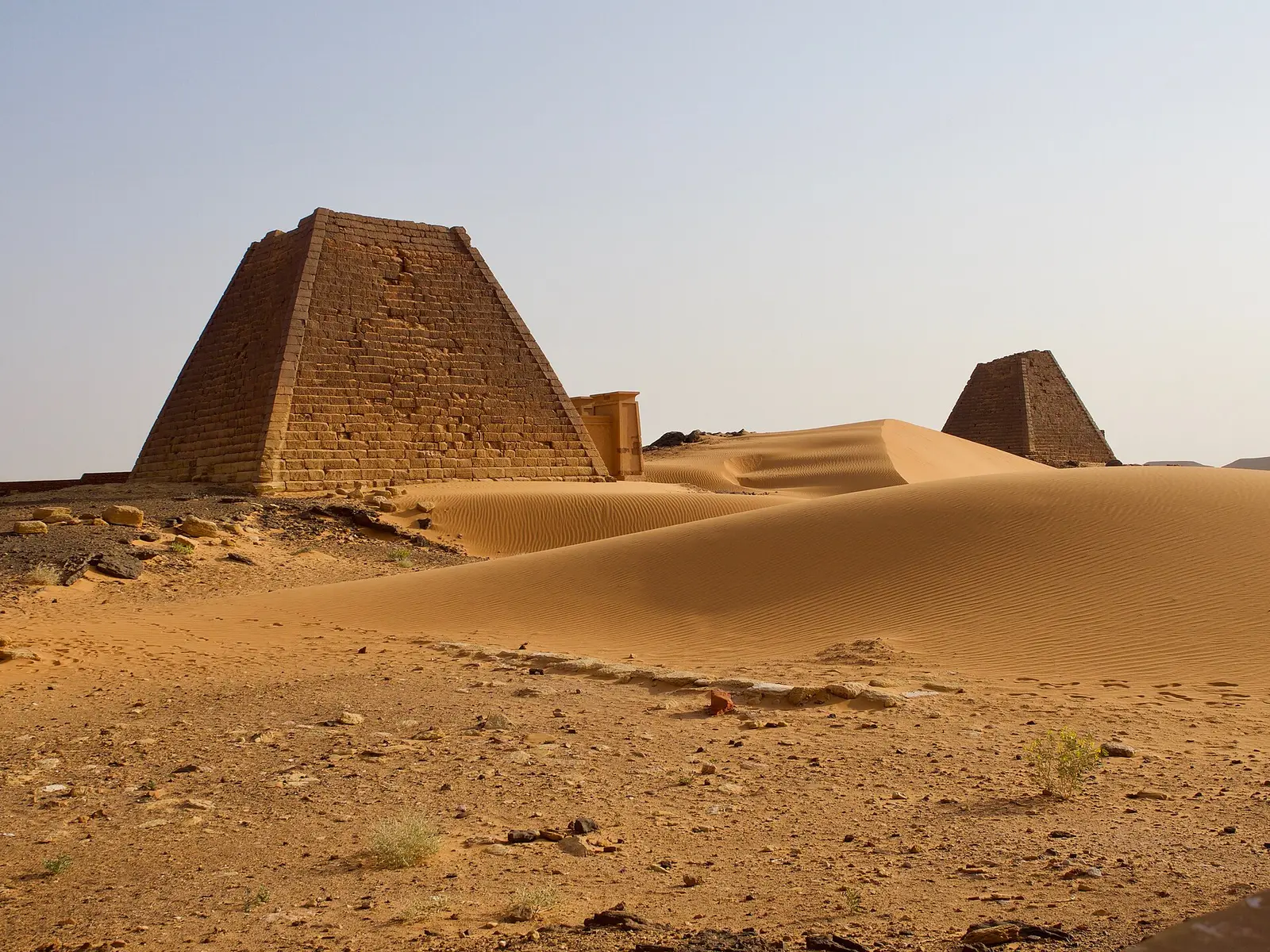
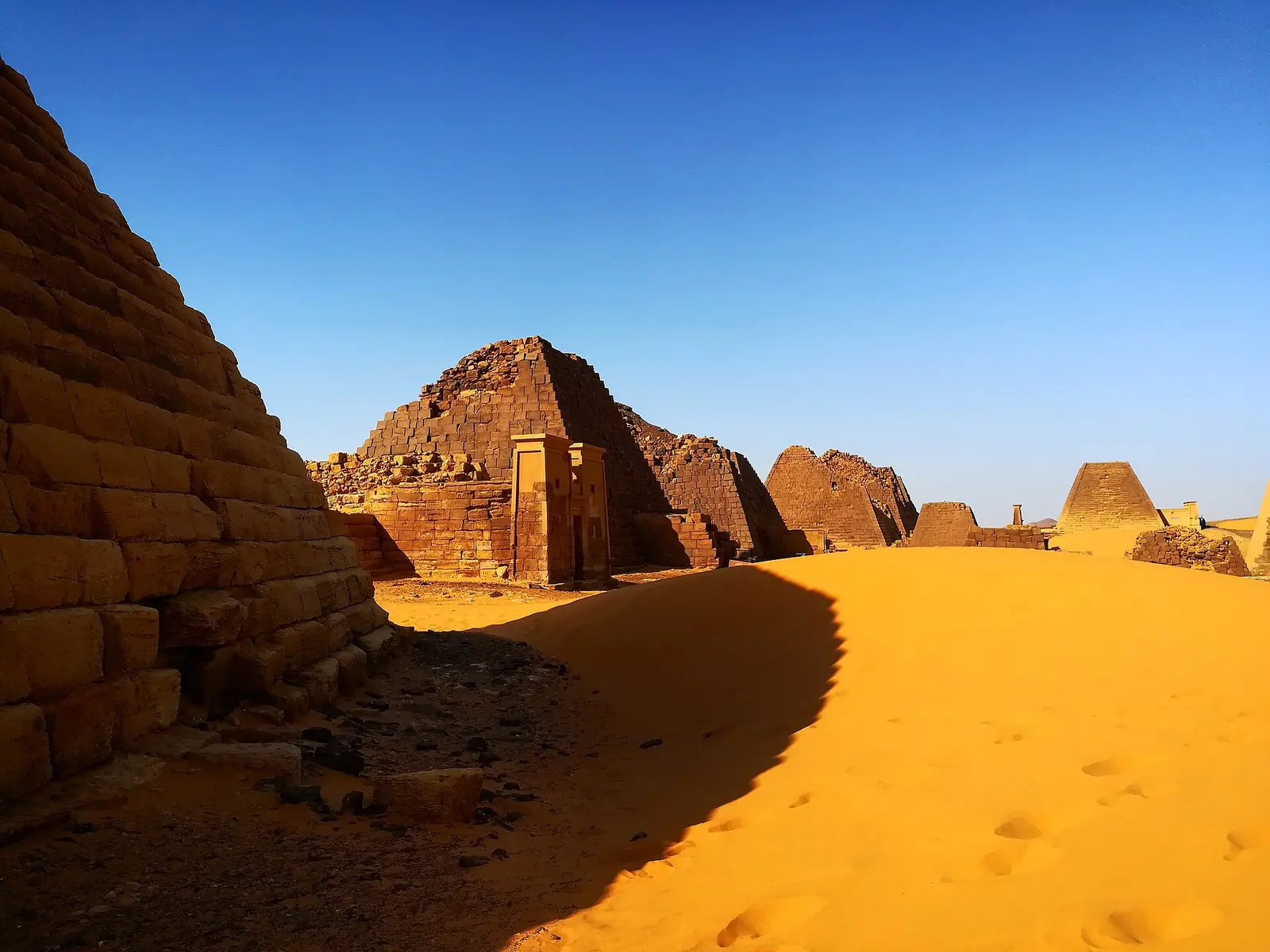
Photo credits
- Pyramids of Meroë in Sudan among sand dunes – royal cemetery of the kingdom of Cush. Today · 2019 · Laurent de Walick · CC BY 2.0 · Source
- A row of pyramids at Meroë – the queens of this kingdom bore the title Candace (Acts 8:27). Today · 2019 · Ahmed Amir · CC BY-SA 4.0 · Source


Photos from Wikimedia Commons and the Matson Collection of the Library of Congress, resized. Tap a photo to enlarge it. Captions AI-assisted – How the texts are made
About the place
In the Hebrew Old Testament Ethiopia is called Cush, the land south of Egypt, roughly Nubia and northern Sudan today, and not modern Ethiopia.1 In Esther it marks the edge of the Persian Empire, which Xerxes ruled from India to Cush (Esther 1:1; 8:9).1,2 Job mentions topaz from Cush, and the official of Candace, queen of the Ethiopians, came from the kingdom whose capital was then Meroë (Job 28:19; Acts 8:27).1,2 The runner whom Joab sent to David with news of the battle is called a Cushite (2 Samuel 18:21).2
Ethiopia in the Bible
Ethiopia appears in 6 sections across 5 books of the Bible – first in 2 Samuel 18:21, last in Acts 8:27.
2 Samuel
mentioned: 18:21; 18:31
Esther
Job
mentioned: 28:19
Amos
mentioned: 9:7
Acts
mentioned: 8:27
Often mentioned together
References
- Tyndale Open Bible Dictionary – Article “Ethiopia” · tyndaleopenresources.com
- Bible text: Esther 1:1; Esther 8:9; Job 28:19; Acts 8:27; 2 Samuel 18:21