Mount Lebanon
- Kind
- Mountain
- Today
- Mount Lebanon (Lebanon)
- Location
- securely identified (confidence 1000 of 1000)
- Elevation
- 3,050 m above sea level
When the place appears in the Bible
Map
Base map: Natural Earth (public domain), places after OpenBible.info (CC BY 4.0), © OpenStreetMap (ODbL) · All sources and licences
Notes and sources for this map
Location after OpenBible.info
Pictures
Today: the place and its landscape as they look today
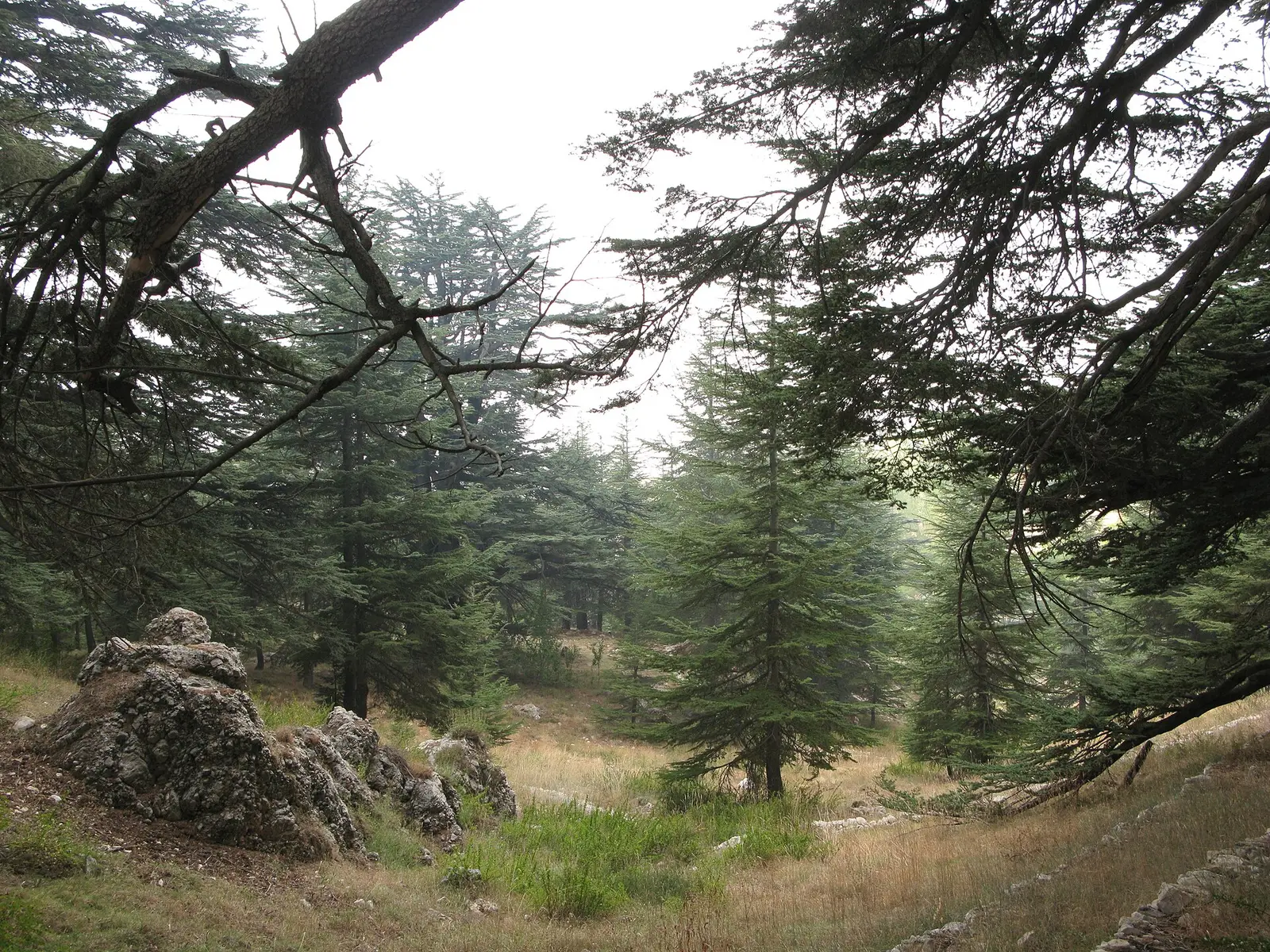
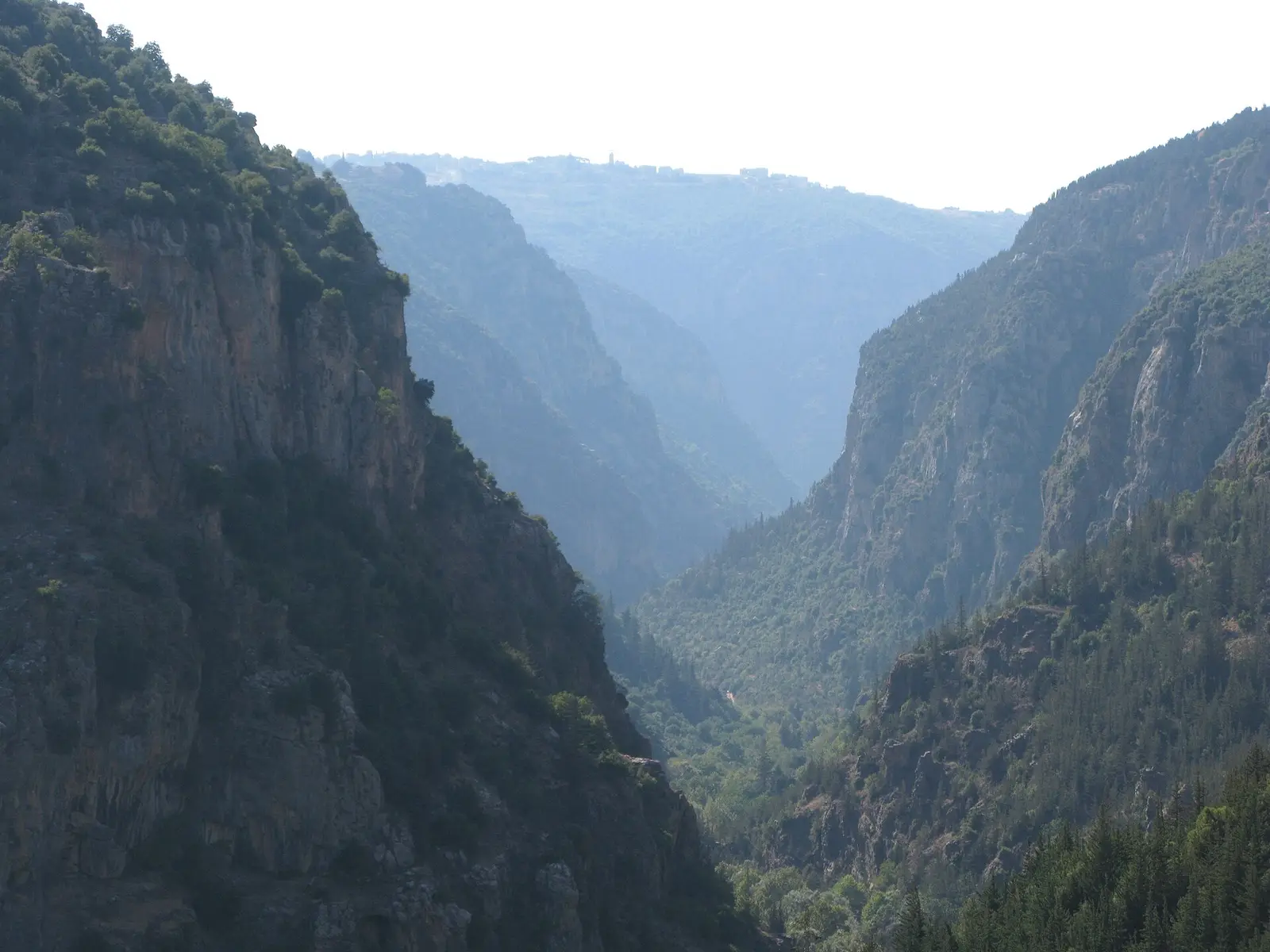
Photo credits


Photos from Wikimedia Commons and the Matson Collection of the Library of Congress, resized. Tap a photo to enlarge it. Captions AI-assisted – How the texts are made
About the place
Lebanon is a double mountain range that starts near Tyre and runs north-east alongside the Mediterranean coast; to its east lies the Anti-Lebanon with Mount Hermon.1 The name comes from a Hebrew word for white, perhaps because of the pale limestone or the snow that stays for half the year (Jeremiah 18:14).1,2 In Judges, Hivites live in the mountains of Lebanon, one of the peoples the LORD left in the land (Judges 3:3).2 For the temple, Solomon had cedars cut in Lebanon and paid Hiram of Tyre in wheat and oil (1 Kings 5:6–11).1,2
Mount Lebanon in the Bible
Mount Lebanon appears in one section of the Bible: Judges 3:3.
the five rulers of the Philistines, all the Canaanites, the Sidonians, and the Hivites who lived in the mountains of Lebanon from Mount Baal-hermon to Lebo-hamath.
Judges 3:3
Bible text: The Holy Bible, Berean Standard Bible (BSB), dedicated to the public domain. Source: eBible.org.
Judges
mentioned: 3:3
References
- Tyndale Open Bible Dictionary – Article “Lebanon” · tyndaleopenresources.com
- Bible text: Jeremiah 18:14; Judges 3:3; 1 Kings 5:6–11