Neapolis
- Today
- Kavala (Greece)
- Location
- securely identified (confidence 1000 of 1000)
- Meaning of the name
- “new city” (after Tyndale)
- Elevation
- 50 m above sea level
- Coordinates
- 40.935° N, 24.415° E
When the place appears in the Bible
Map
Base map: Natural Earth (public domain), places after OpenBible.info (CC BY 4.0), © OpenStreetMap (ODbL) · All sources and licences
Notes and sources for this map
Location after OpenBible.info
Pictures
Today: the place and its landscape as they look today · Excavation: remains from biblical times that have survived or been excavated
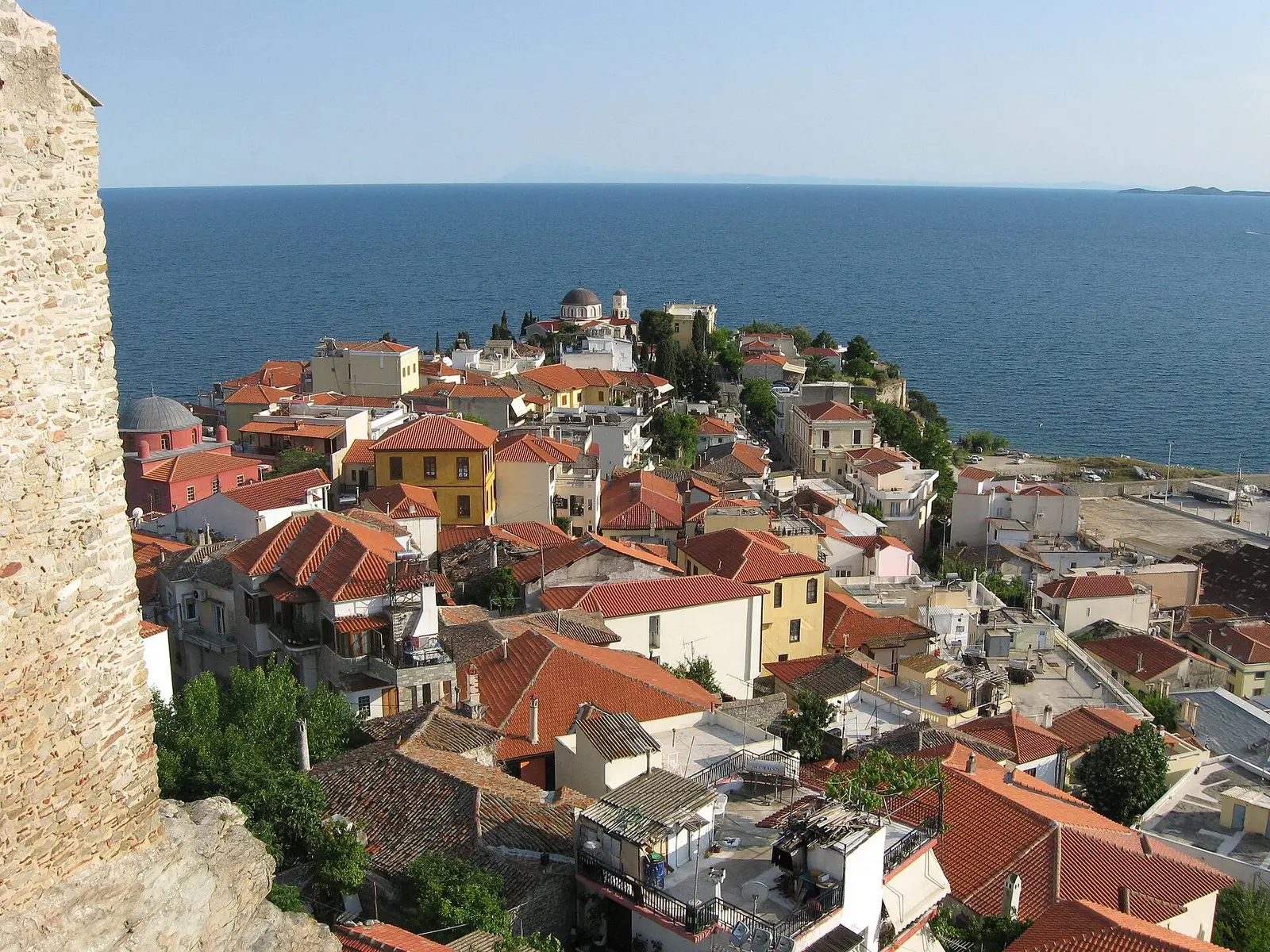
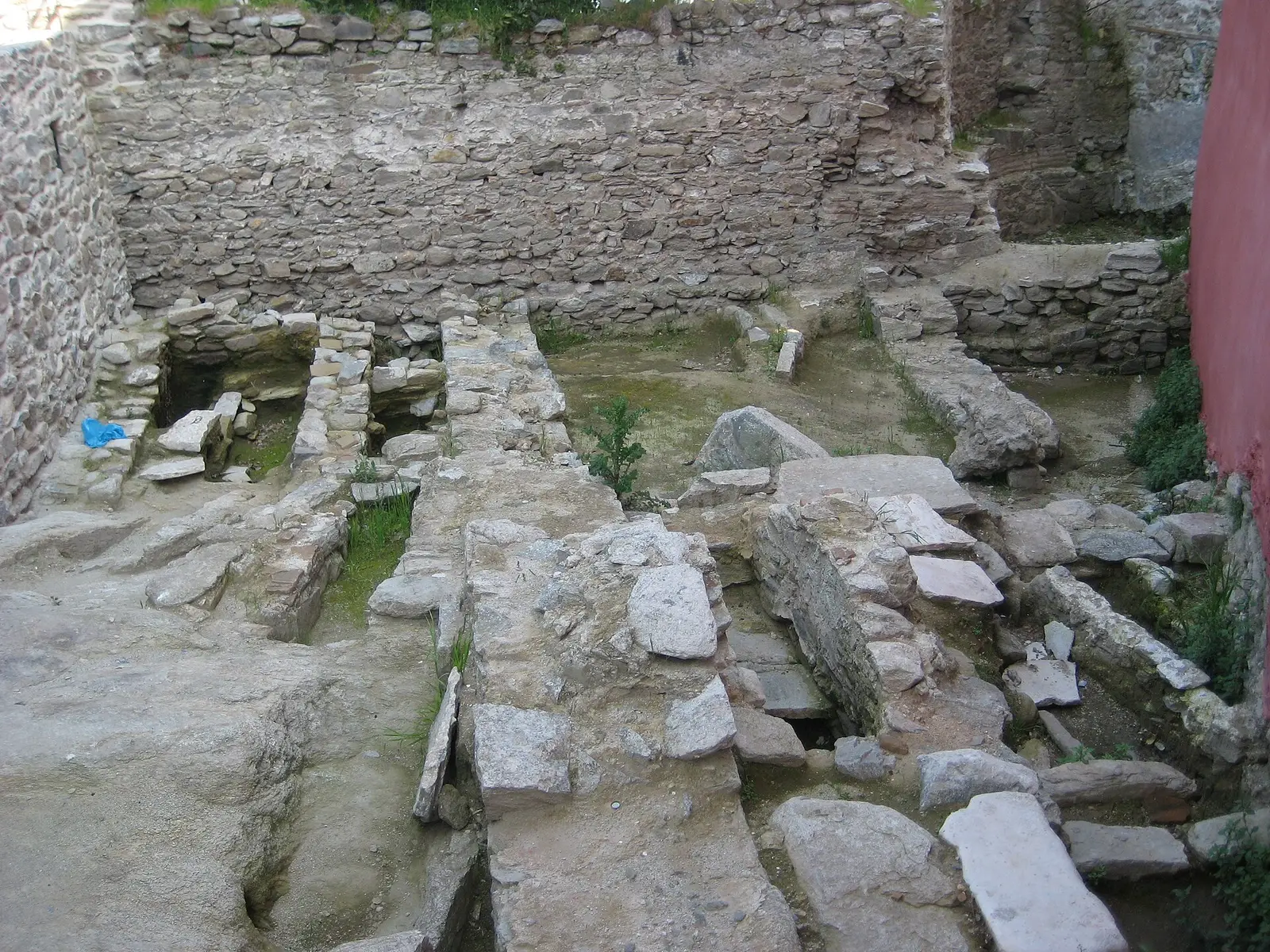
Photo credits
- Kavala from the fortress – ancient Neapolis, the port of Philippi (Acts 16:11). Today · 2009 · Explorer1940 · CC BY-SA 4.0 · Source
- Remains of a Byzantine basilica in Kavala. Excavation · 2009 · Xristoupolitis · CC BY-SA 3.0 · Source


Photos from Wikimedia Commons and the Matson Collection of the Library of Congress, resized. Tap a photo to enlarge it. Captions AI-assisted – How the texts are made
About the place
Neapolis was the port of Philippi and is identified with modern Kavala; its Greek name means “new city”.1 It is attested from the fifth century BC onwards, and under Roman rule it clearly depended on Philippi.1 After the vision of the man from Macedonia, Paul sailed from Troas by way of Samothrace to Neapolis, the first city in Europe he set foot in (Acts 16:9–11).1,2
Neapolis in the Bible
Neapolis appears in one section of the Bible: Acts 16:11.
We sailed from Troas straight to Samothrace, and the following day on to Neapolis.
Acts 16:11
Bible text: The Holy Bible, Berean Standard Bible (BSB), dedicated to the public domain. Source: eBible.org.
Acts
- Acts 16:11–40 In Philippi
Places nearby
References
- Tyndale Open Bible Dictionary – Article “Neapolis” · tyndaleopenresources.com
- Bible text: Acts 16:9–11