Ur
- Kind
- Region
- Today
- Tell el-Muqayyar (southern Iraq)
- Location
- securely identified (confidence 703 of 1000)
- Meaning of the name
- “light or the moon city” (uncertain) (after Easton)
When the place appears in the Bible
Map
Base map: Natural Earth (public domain), places after OpenBible.info (CC BY 4.0), © OpenStreetMap (ODbL) · All sources and licences
Notes and sources for this map
Location after OpenBible.info
Pictures
Today: the place and its landscape as they look today · Excavation: remains from biblical times that have survived or been excavated
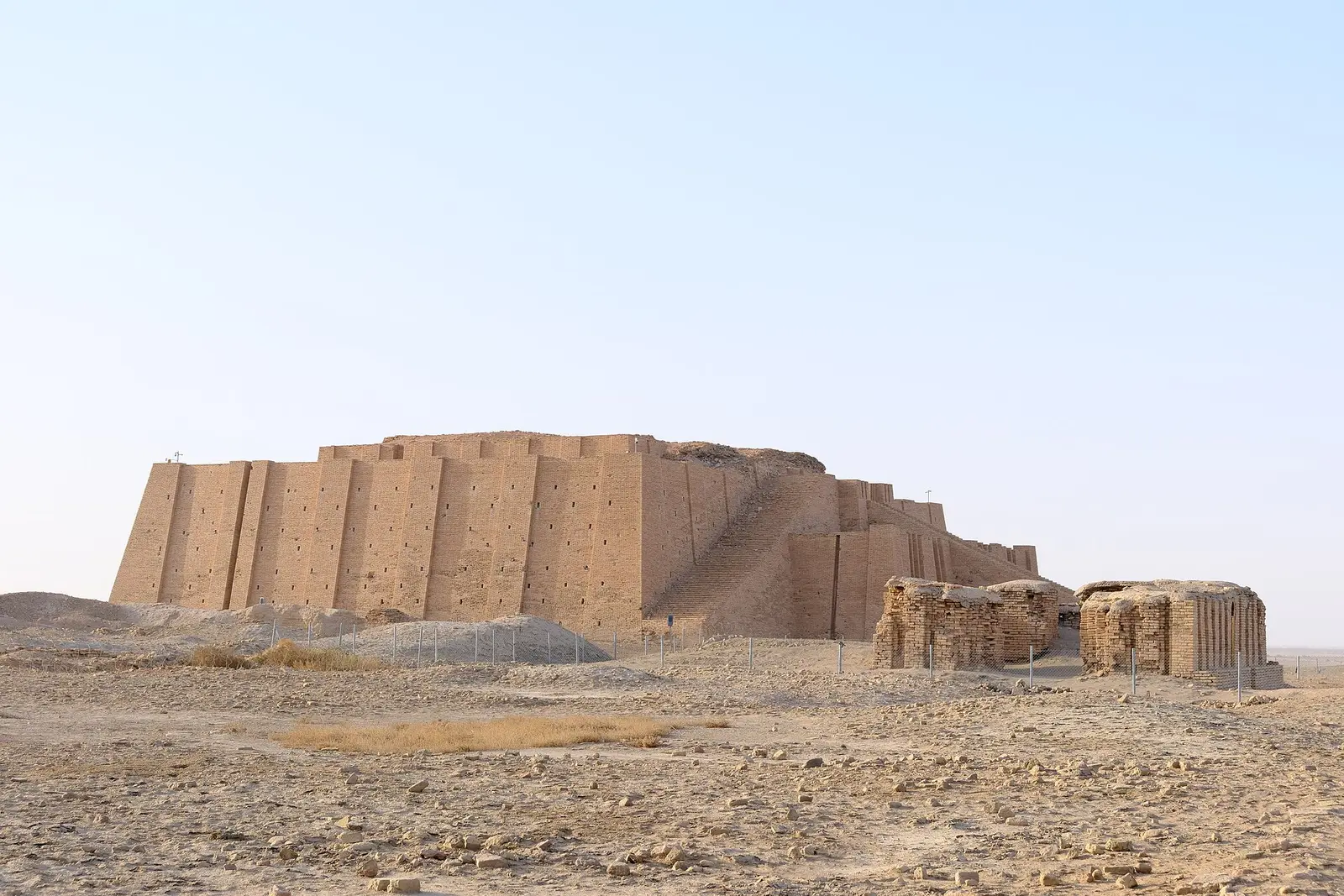
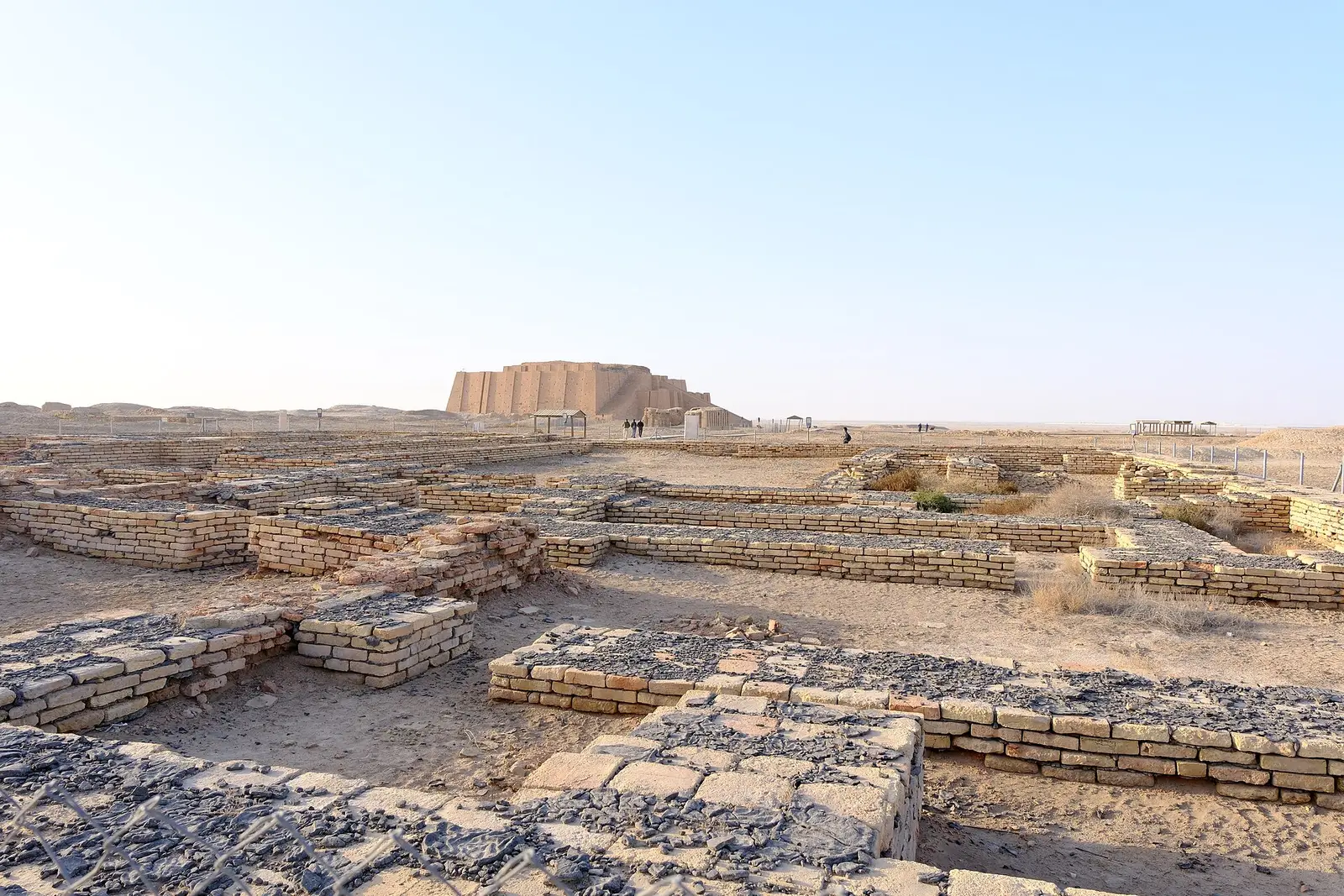
Photo credits
- The ziggurat of Ur (façade partly rebuilt in the 1980s) – the site is usually identified with Ur of the Chaldeans, from which Abram set out (Genesis 11:31). Today · 2024 · Alli Khalil · CC BY-SA 4.0 · Source
- Excavated brick walls at Ur in southern Iraq, the ziggurat behind. Excavation · 2024 · Alli Khalil · CC BY-SA 4.0 · Source
Photos from Wikimedia Commons and the Matson Collection of the Library of Congress, resized. Tap a photo to enlarge it. Captions AI-assisted – How the texts are made
Finds from here


About the place
Ur was the home town of Terah, Abraham’s father, and the place where Abraham and Sarah were born; the Bible mentions it only four times, always as Ur of the Chaldeans (Genesis 11:28, 31; 15:7; Nehemiah 9:7).1,2 From here Terah set out with Abram for Haran, and God later introduces himself to Abram as the one who brought him out of Ur to give him the land (Genesis 11:31; 15:7).1,2 The site is known today as Tell el-Muqayyar, “mound of bitumen”; excavations reveal a large and prosperous city, overlooked by a stepped temple of the moon god Nannar or Sin, who was also worshipped at Haran.1 Clay tablets from Ur record temple business, weaving workshops and schools that taught cuneiform and arithmetic, and the royal tombs held costly works of art in precious metal.1
Ur in the Bible
Ur appears in 3 sections across 2 books of the Bible – first in Genesis 11:28, last in Nehemiah 9:7.
During his father Terah’s lifetime, Haran died in his native land, in Ur of the Chaldeans.
Genesis 11:28
And Terah took his son Abram, his grandson Lot son of Haran, and his daughter-in-law Sarai the wife of Abram, and they set out from Ur of the Chaldeans for the land of Canaan. But when they arrived in Haran, they settled there.
Genesis 11:31
The LORD also told him, “I am the LORD, who brought you out of Ur of the Chaldeans to give you this land to possess.”
Genesis 15:7
You are the LORD, the God who chose Abram, who brought him out of Ur of the Chaldeans and gave him the name Abraham.
Nehemiah 9:7
Bible text: The Holy Bible, Berean Standard Bible (BSB), dedicated to the public domain. Source: eBible.org.
Genesis
mentioned: 11:28; 11:31; 15:7
Nehemiah
mentioned: 9:7
Often mentioned together
References
- Tyndale Open Bible Dictionary – Article “Ur (Place)” · tyndaleopenresources.com
- Bible text: Genesis 11:28; Genesis 11:31; Genesis 15:7; Nehemiah 9:7