Chaldea
- Kind
- Region
- Today
- southern Iraq
- Location
- securely identified (confidence 1000 of 1000)
When the place appears in the Bible
Map
Base map: Natural Earth (public domain), places after OpenBible.info (CC BY 4.0), © OpenStreetMap (ODbL) · All sources and licences
Notes and sources for this map
Location after OpenBible.info
Pictures
Today: the place and its landscape as they look today · Excavation: remains from biblical times that have survived or been excavated
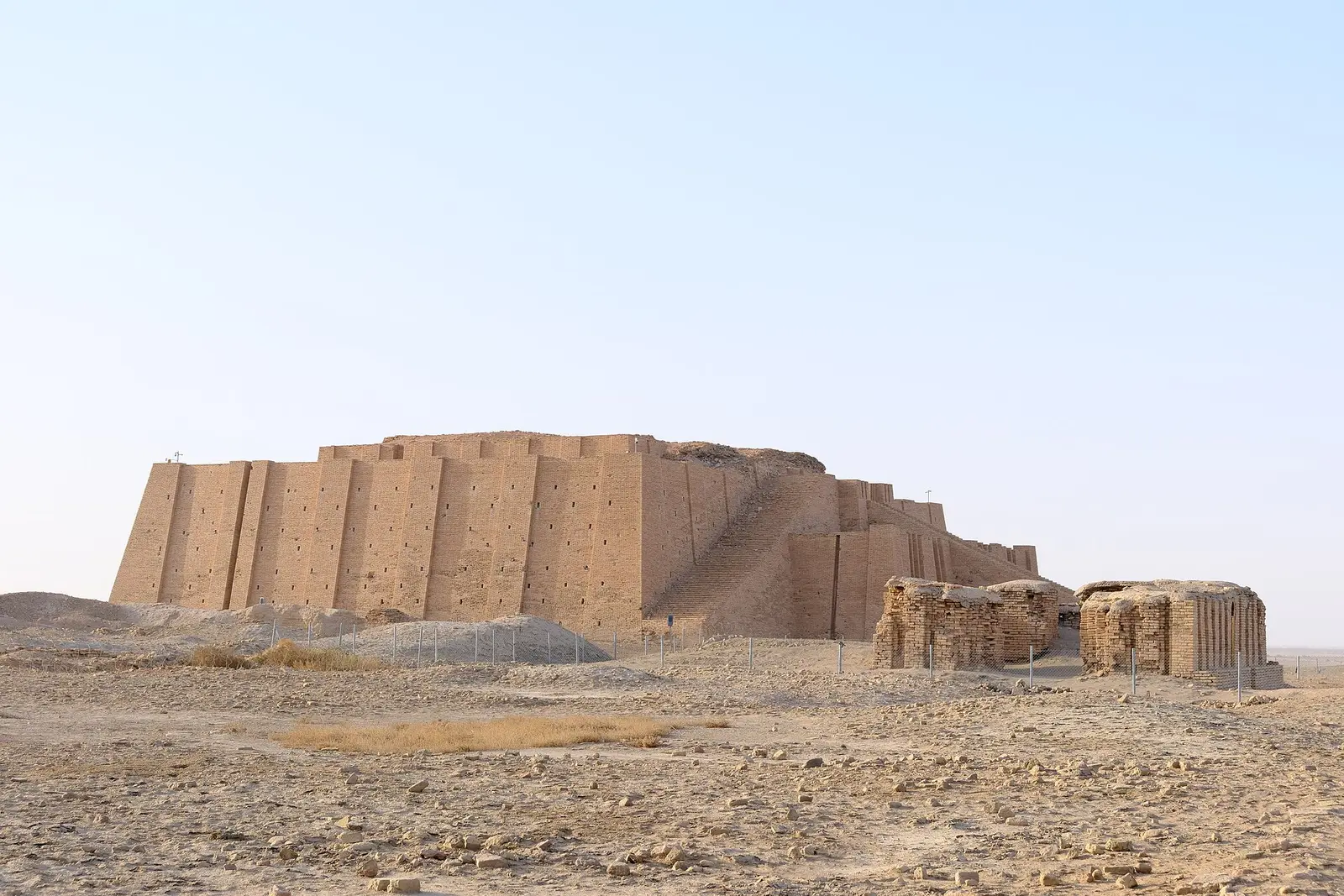
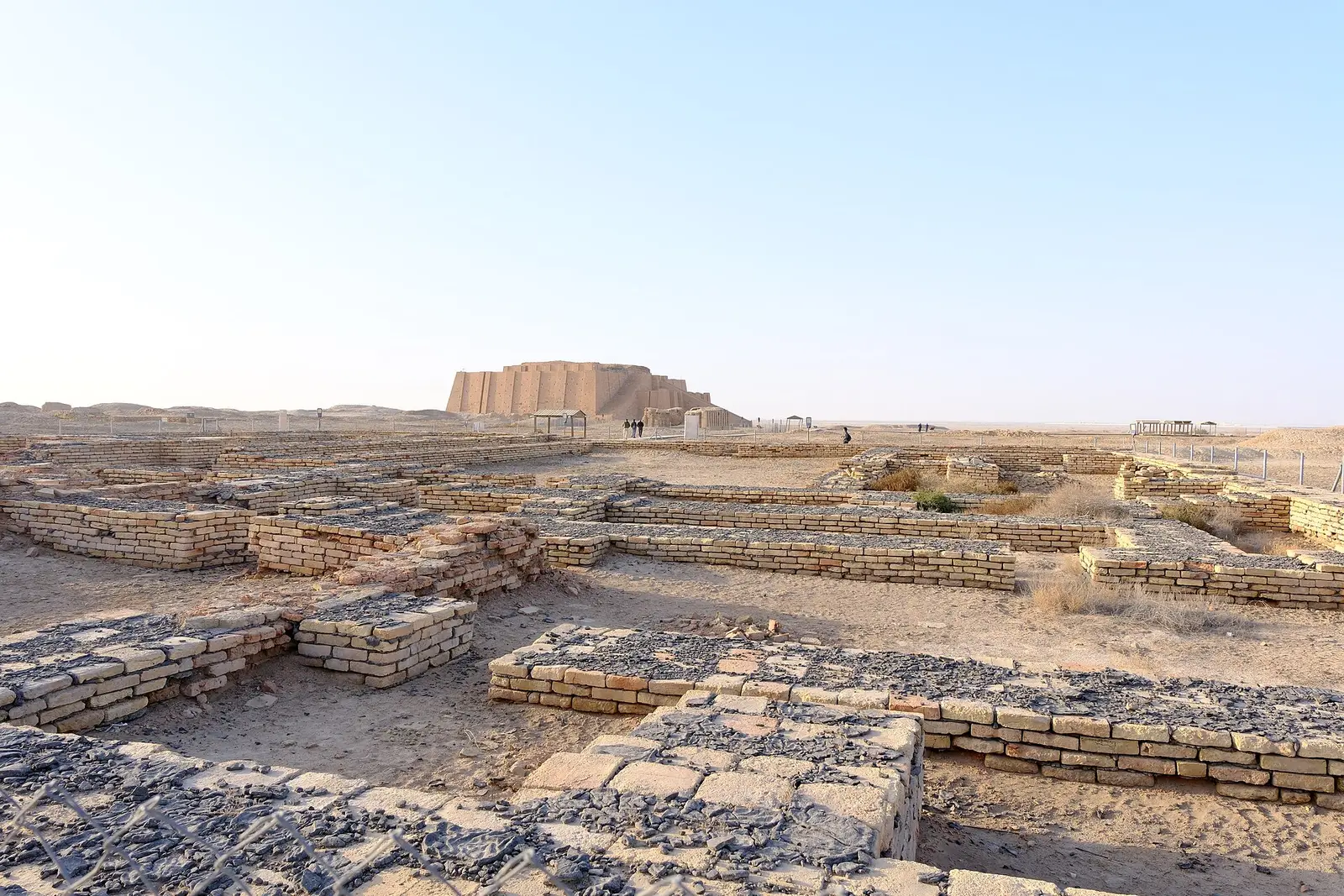
Photo credits
- The ziggurat of Ur (façade partly rebuilt in the 1980s) – the site is usually identified with Ur of the Chaldeans, from which Abram set out (Genesis 11:31). Today · 2024 · Alli Khalil · CC BY-SA 4.0 · Source
- Excavated brick walls at Ur in southern Iraq, the ziggurat behind. Excavation · 2024 · Alli Khalil · CC BY-SA 4.0 · Source


Photos from Wikimedia Commons and the Matson Collection of the Library of Congress, resized. Tap a photo to enlarge it. Captions AI-assisted – How the texts are made
About the place
Chaldea is an ancient region in southern Mesopotamia, in what is now southern Iraq; its name comes from the Chaldean tribes who shared Babylonia with Sumerians and Akkadians.1 Up to the late eighth century BC the name covered only a small area in the south of Babylonia, but a hundred years later it meant all of Babylonia.1 Abraham came from “Ur of the Chaldeans” (Genesis 11:28, 31).1,2 Under Nebuchadnezzar the Chaldeans, as the Neo-Babylonian Empire, ruled the Near East for nearly a century and destroyed Jerusalem (2 Kings 25).1,2
Where Chaldea was
At its greatest extent Chaldea reached from Baghdad on the Tigris down to the Persian Gulf and up the Euphrates as far as the town of Hit.1 It lay mostly between the two rivers, yet also took in the plain east of the Tigris up to the Zagros Mountains and some land west of the Euphrates, where the Arabian Desert marked the border.1 It was seldom more than about 64 kilometres wide; its southwestern tip now touches Kuwait.1
Abraham and the Chaldeans
Abraham’s family left Ur of the Chaldeans to go to Canaan and got as far as Haran (Genesis 11:31; 15:7).1,2 Stephen picks this up in the New Testament: Abraham left the land of the Chaldeans and settled in Haran (Acts 7:4).2 In the book of Job three raiding parties of Chaldeans carry off Job’s camels (Job 1:17).1,2
The Chaldeans under Assyrian rule
The Chaldeans are first mentioned in the annals of the Assyrian king Ashurnasirpal in the ninth century BC; in the southern marshes they kept much of their independence and led the resistance to Assyria.1 In 721 BC their leader Merodach-baladan made himself king of Babylon; he also sent envoys with letters and gifts to Hezekiah (2 Kings 20:12; Isaiah 39:1).1,2
The Neo-Babylonian Empire
Nabopolassar drove the Assyrians out of Babylonia and became king in 625 BC; together with the Medes he took Asshur in 614 BC and Nineveh in 612 BC.1 His son Nebuchadnezzar beat the Egyptians at Carchemish in 605 BC, made Judah a vassal and took young men from Jerusalem, among them Daniel (2 Chronicles 35:20; 2 Kings 24:1; Daniel 1:1–4).1,2 After Judah rebelled, Chaldean troops took Jerusalem in 597 BC and destroyed it in 586 BC (2 Kings 24:8–16; 25:1–12).1,2
The end of the Chaldeans
Nebuchadnezzar was followed by a quick succession of kings, among them Evil-merodach and Nergal-sharezer (2 Kings 25:27; Jeremiah 39:3).1,2 The last of them, Nabonidus, made his son Belshazzar co-regent; that explains why Daniel calls Belshazzar king and why he could raise Daniel no higher than third ruler (Daniel 5:29).1,2 On the night of the writing on the wall Belshazzar, king of the Chaldeans, was killed (Daniel 5:30); soon afterwards the Persian king Cyrus took Babylon without a battle and ended Chaldean rule.1,2
Chaldea in the Bible
Chaldea appears in 42 sections across 11 books of the Bible – first in Genesis 11:28, last in Acts 7:4. Most often in Jeremiah (16), Daniel (6) and Isaiah (5).
Genesis
mentioned: 11:28; 11:31; 15:7
2 Kings
mentioned: 24:2; 25:4–5; 25:10; 25:13; 25:25–26
2 Chronicles
mentioned: 36:17
Nehemiah
mentioned: 9:7
Job
mentioned: 1:17
Isaiah
mentioned: 13:19; 23:13; 43:14; 47:1; 47:5; 48:14; 48:20
Jeremiah
mentioned: 21:4; 21:9; 22:25; 24:5; 25:12; 32:4–5; 32:24–25; 32:28–29; 32:43; 33:5; 35:11; 37:5; 37:8–10; 37:13–14; 38:2; 38:18–19; 38:23; 39:5; 39:8; 40:9–10; 41:18; 43:3; 50:1; 50:8; 50:10; 50:25; 50:35; 50:45; 51:4–5; 51:24; 51:35; 51:54; 52:7–8; 52:14; 52:17
Ezekiel
mentioned: 1:3; 11:24; 12:13; 16:29; 23:14–16; 23:23
Daniel
mentioned: 1:4; 2:2; 2:4–5; 2:10; 3:8; 4:7; 5:7; 5:11; 9:1
Habakkuk
mentioned: 1:6
Acts
mentioned: 7:4
Often mentioned together
References
- Tyndale Open Bible Dictionary – Article “Chaldea, Chaldeans” · tyndaleopenresources.com
- Bible text: Genesis 11:28; Genesis 11:31; Genesis 15:7; Acts 7:4; Job 1:17; 2 Kings 20:12; Isaiah 39:1; 2 Chronicles 35:20; 2 Kings 24:1; 2 Kings 24:8–16; 2 Kings 25:1–12; 2 Kings 25:27; Jeremiah 39:3; Daniel 1:1–4; Daniel 5:1–30