Hamath
- Today
- Hama (Syria)
- Location
- securely identified (confidence 957 of 1000)
- Meaning of the name
- “fortress” (after Easton)
- Elevation
- 310 m above sea level
- Coordinates
- 35.137° N, 36.750° E
When the place appears in the Bible
Map
Base map: Natural Earth (public domain), places after OpenBible.info (CC BY 4.0), © OpenStreetMap (ODbL) · All sources and licences
Notes and sources for this map
Location after OpenBible.info
Pictures
Today: the place and its landscape as they look today · Back then: photographs from around 1900–1940 (Matson Collection), before modern development
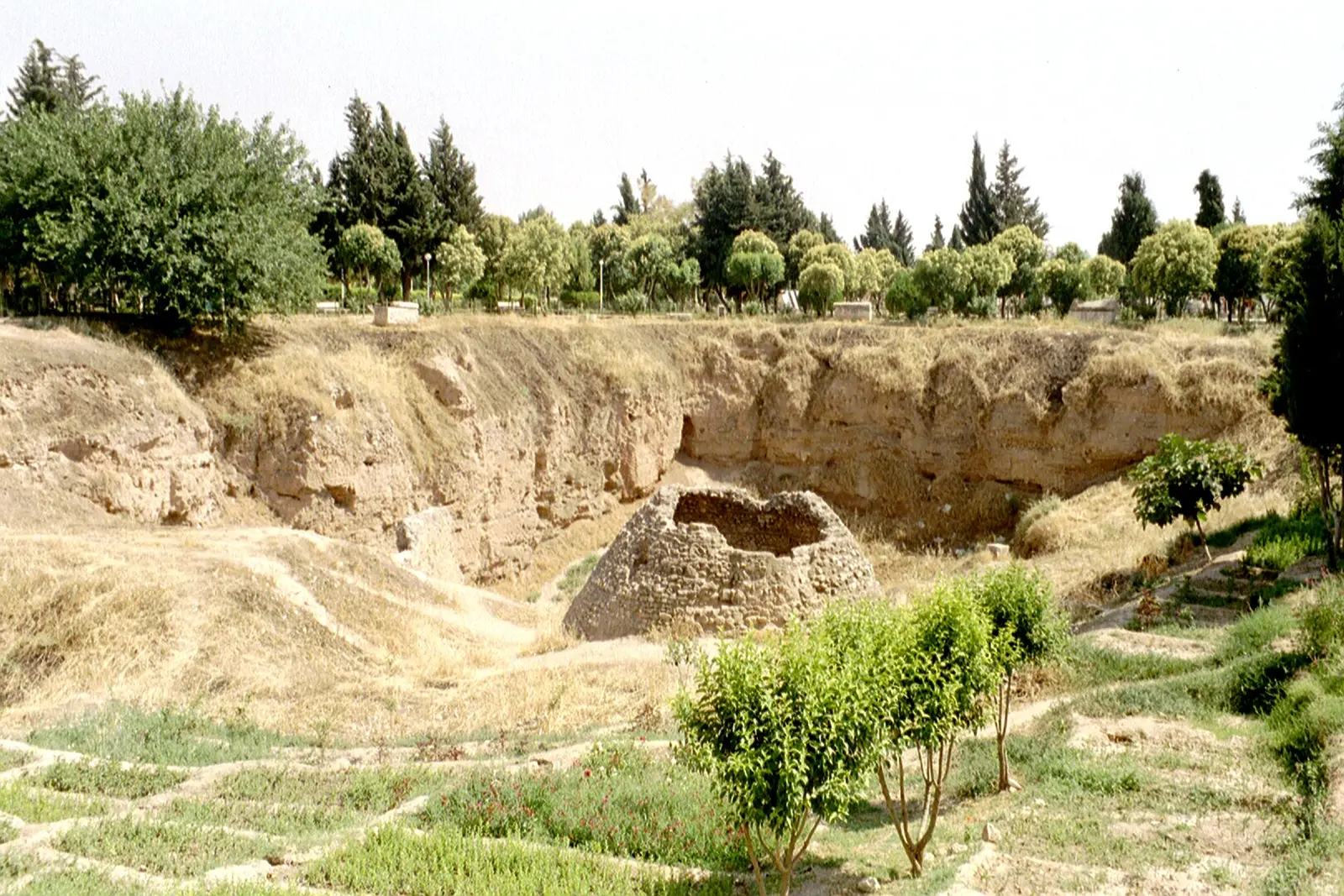
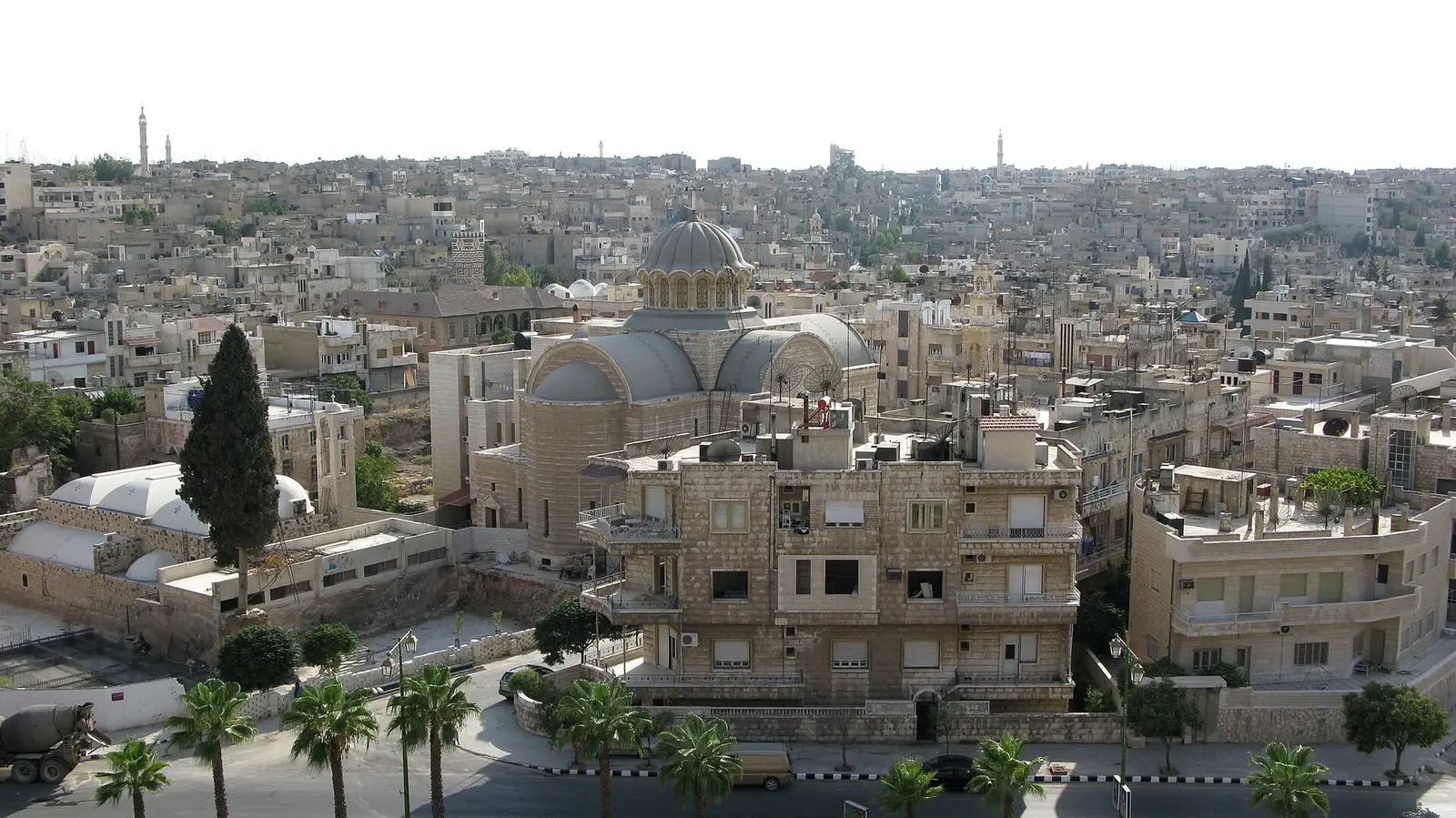
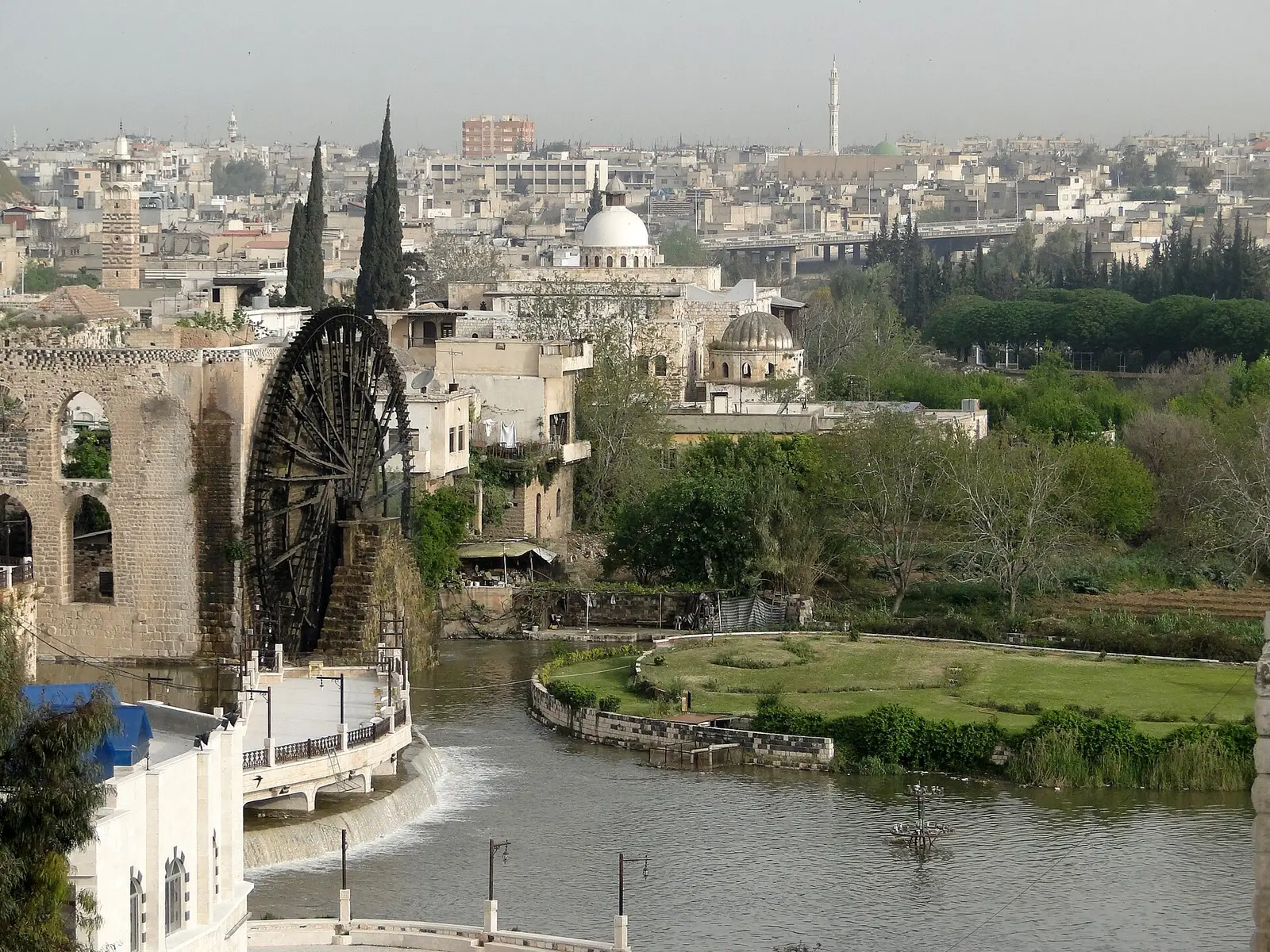
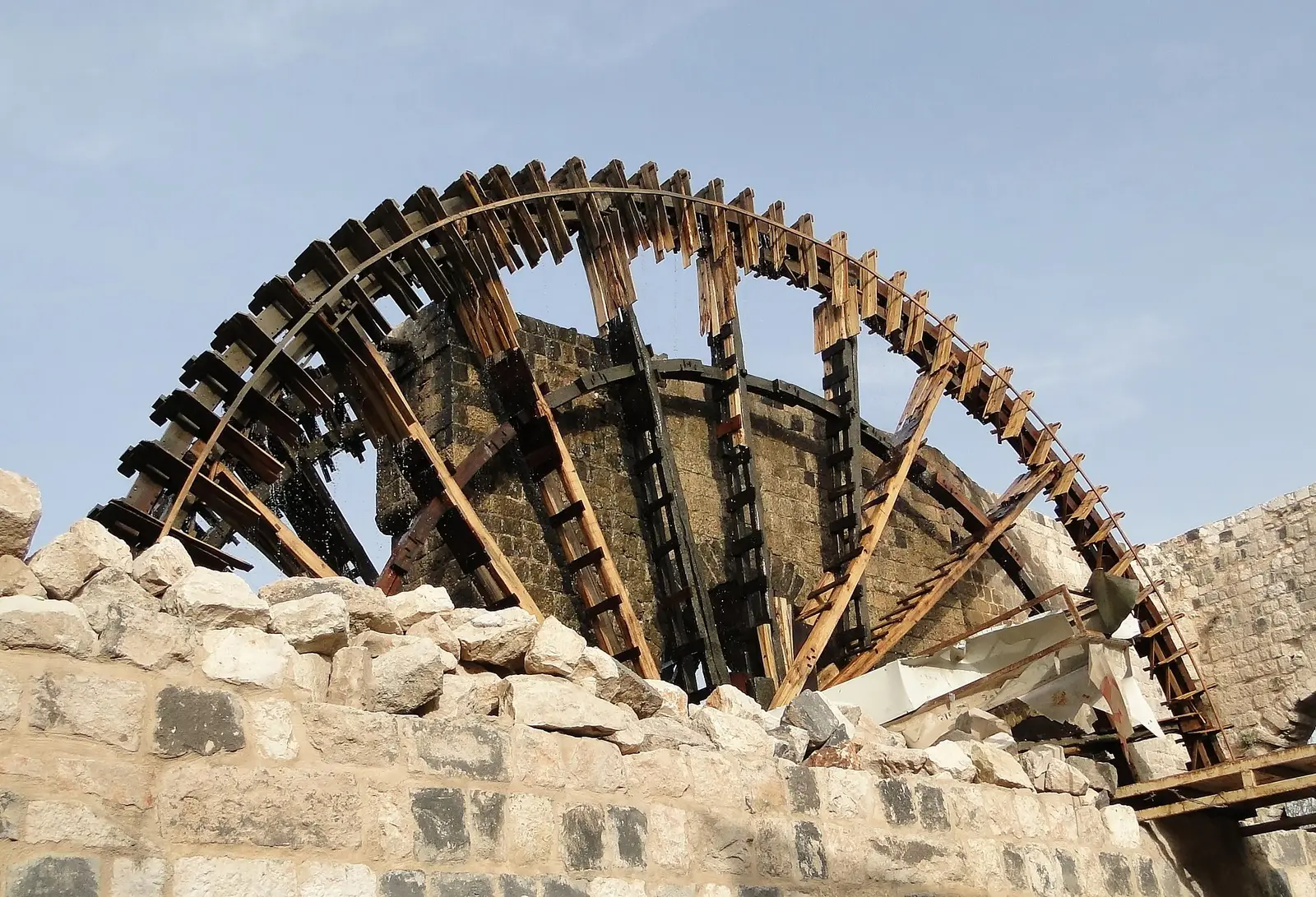
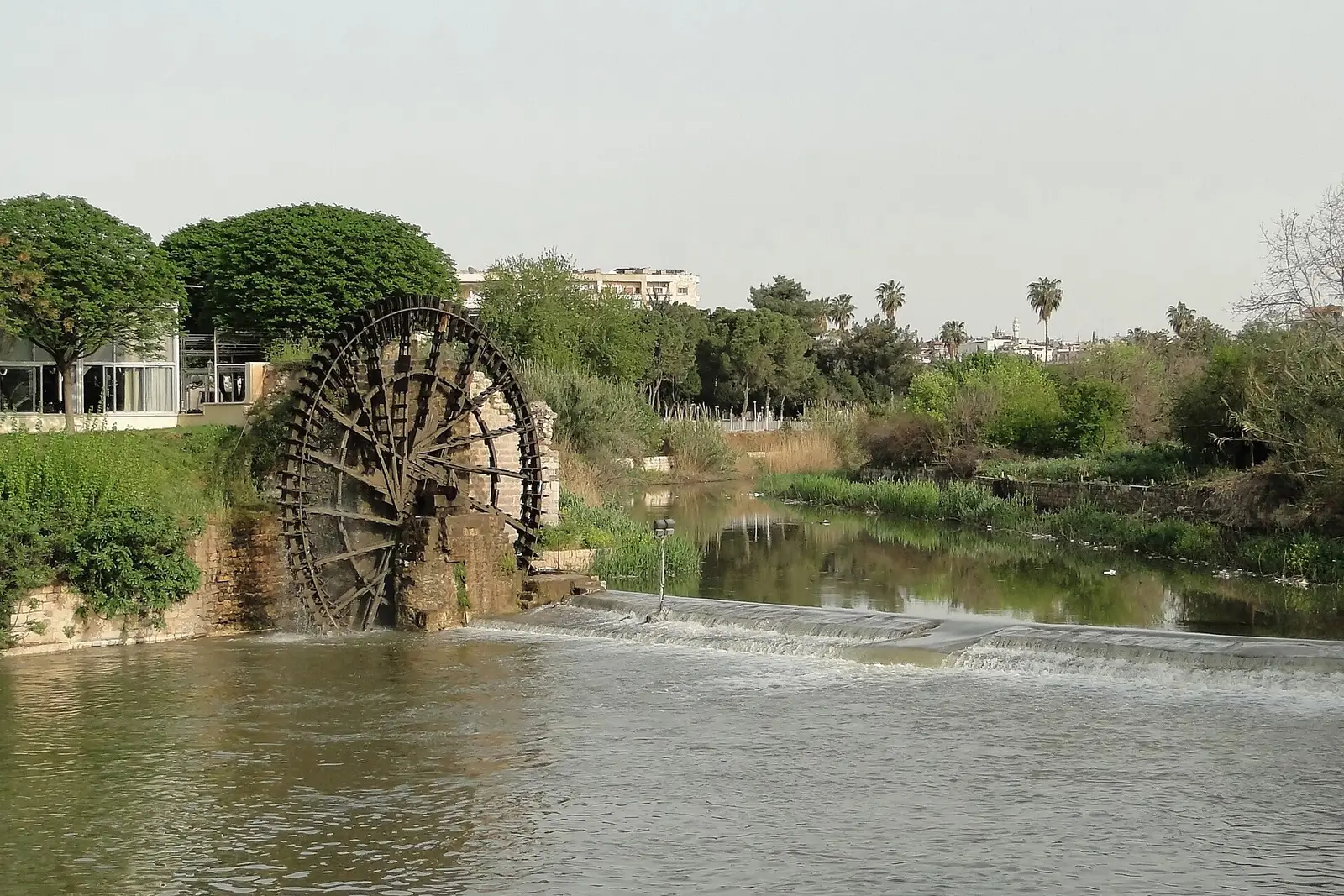
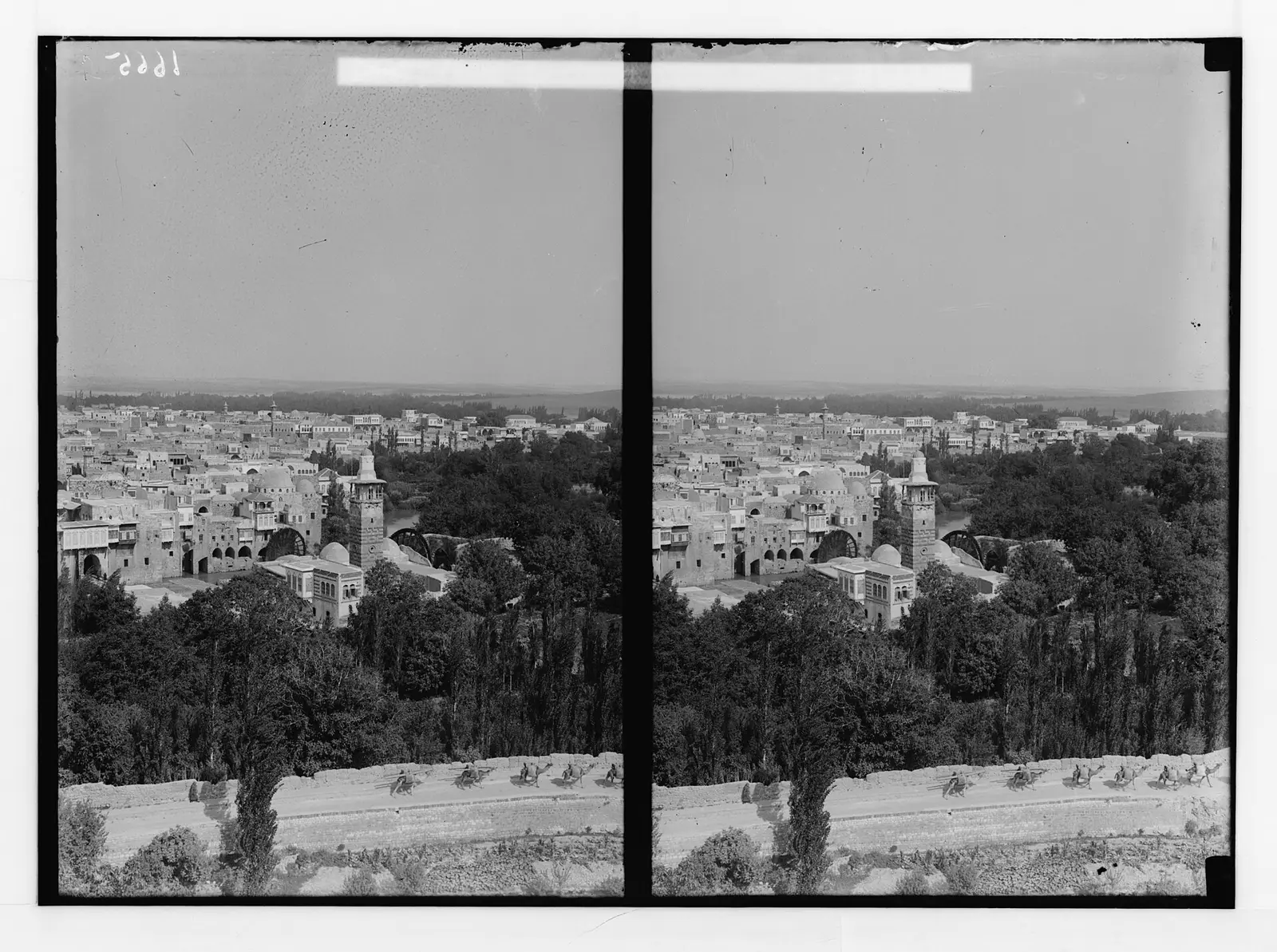
Photo credits
- Hama from the citadel hill – biblical Hamath. Today · 2001 · TheRealHuldra · Public Domain · Source
- Hama on the Orontes – biblical Hamath today. Today · 2008 · Vyacheslav Argenberg · CC BY 4.0 · Source
- The city of Hama in Syria. Today · 2010 · Bernard Gagnon · CC BY-SA 3.0 · Source
- Water wheel (noria) in Hama – the city’s medieval landmark. Today · 2010 · Bernard Gagnon · CC BY-SA 3.0 · Source
- Noria on the Orontes in Hama. Today · 2010 · Bernard Gagnon · CC BY-SA 3.0 · Source
- Hama from the castle hill, around 1900. Back then · c. 1900 · G. Eric and Edith Matson Photograph Collection, Library of Congress, Prints & Photographs Division, LC-DIG-matpc-02149 · Public Domain · Source


Photos from Wikimedia Commons and the Matson Collection of the Library of Congress, resized. Tap a photo to enlarge it. Captions AI-assisted – How the texts are made
About the place
Hamath was a city with its surrounding district on the River Orontes, about 200 kilometres north of Damascus.1 Its early inhabitants were counted among the descendants of Canaan, while later ones were Semitic (Genesis 10:18).1,2 Israel’s northern border was meant to reach as far as Hamath, but in reality it got that far only under the first kings and again under Jeroboam II (Numbers 34:8; 2 Kings 14:25, 28).1,2
Where Hamath was
Hamath stood on the Orontes in northern Syria.1 The Bible names the entrance of Hamath, in Hebrew Lebo-hamath, as Israel’s northern border, a point between the Lebanon and Anti-Lebanon ranges; whether this was a separate town, perhaps modern Lebweh on the Orontes, is disputed (Joshua 13:5; 2 Kings 14:25).1,2 At Riblah in the land of Hamath Pharaoh Neco took King Jehoahaz prisoner, and there the king of Babylon passed sentence on Zedekiah (2 Kings 23:33; 25:6).2
Excavations and inscriptions
The city goes back to the Neolithic period and was destroyed around 1750 BC, possibly by the Hyksos.1 Once rebuilt, it was taken by Thutmose III and flourished under Egyptian rule.1 Several Hittite inscriptions reveal that Hamath was the seat of a minor Hittite kingdom before 900 BC.1
Hamath in the time of David and Solomon
When David had defeated Hadadezer king of Zobah, Toi king of Hamath sent his son Joram to congratulate him (2 Samuel 8:9–10).1,2 Solomon built store cities in Hamath, which has led to the suggestion that Hamath had come to pay tribute to Israel (2 Chronicles 8:4).1,2
Hamath and Assyria
In Ahab’s day, Assyrian inscriptions record, a king of Hamath joined Damascus, Israel and twelve coastal kings against Shalmaneser III; even so, around 846 BC Hamath fell under Assyrian control.1 Around 720 BC Sargon settled Assyrians in Hamath and moved people from Hamath to Samaria (2 Kings 17:24).1,2 Sennacherib’s envoys held up the fall of Hamath as a warning to Jerusalem, and Isaiah and Amos also mention the city (2 Kings 18:34; Isaiah 10:9; Amos 6:2).1,2
Hamath in the prophets and later
Isaiah expects the Lord to bring back the remnant of his people from Hamath too, and Ezekiel sees Hamath once more on the land’s northern border (Isaiah 11:11; Ezekiel 47:16–17; 48:1).1,2 According to Josephus, Antiochus Epiphanes renamed the city Epiphania, the name by which Greeks and Romans knew it.1
Hamath in the Bible
Hamath appears in 18 sections across 9 books of the Bible – first in 2 Samuel 8:9, last in Zechariah 9:2. Most often in 2 Kings (5), Isaiah (4) and Jeremiah (3).
2 Samuel
mentioned: 8:9
2 Kings
mentioned: 14:28; 18:34; 19:13; 23:33; 25:21
1 Chronicles
mentioned: 18:9
2 Chronicles
mentioned: 8:4
Isaiah
mentioned: 10:9; 11:11; 36:19; 37:13
Jeremiah
mentioned: 39:5; 49:23; 52:9; 52:27
Ezekiel
mentioned: 47:16–17; 48:1
Amos
mentioned: 6:2
Zechariah
mentioned: 9:2
Places nearby
Often mentioned together
References
- Tyndale Open Bible Dictionary – Article “Hamath” · tyndaleopenresources.com
- Bible text: Genesis 10:18; Numbers 34:8; Joshua 13:5; 2 Samuel 8:9–10; 2 Chronicles 8:4; 2 Kings 14:25; 2 Kings 14:28; 2 Kings 17:24; 2 Kings 18:34; 2 Kings 23:33; 2 Kings 25:6; Isaiah 10:9; Isaiah 11:11; Amos 6:2; Ezekiel 47:16–17; Ezekiel 48:1