Jerusalem
- Today
- Jerusalem
- Location
- securely identified (confidence 1000 of 1000)
- Meaning of the name
- “city of the god Salim” (uncertain) (after Tyndale)
- Elevation
- 760 m above sea level
- Coordinates
- 31.777° N, 35.234° E
When the place appears in the Bible
Map
Base map: Natural Earth (public domain), places after OpenBible.info (CC BY 4.0), © OpenStreetMap (ODbL) · All sources and licences
Notes and sources for this map
Location after OpenBible.info
Pictures
Today: the place and its landscape as they look today · Excavation: remains from biblical times that have survived or been excavated · Back then: photographs from around 1900–1940 (Matson Collection), before modern development
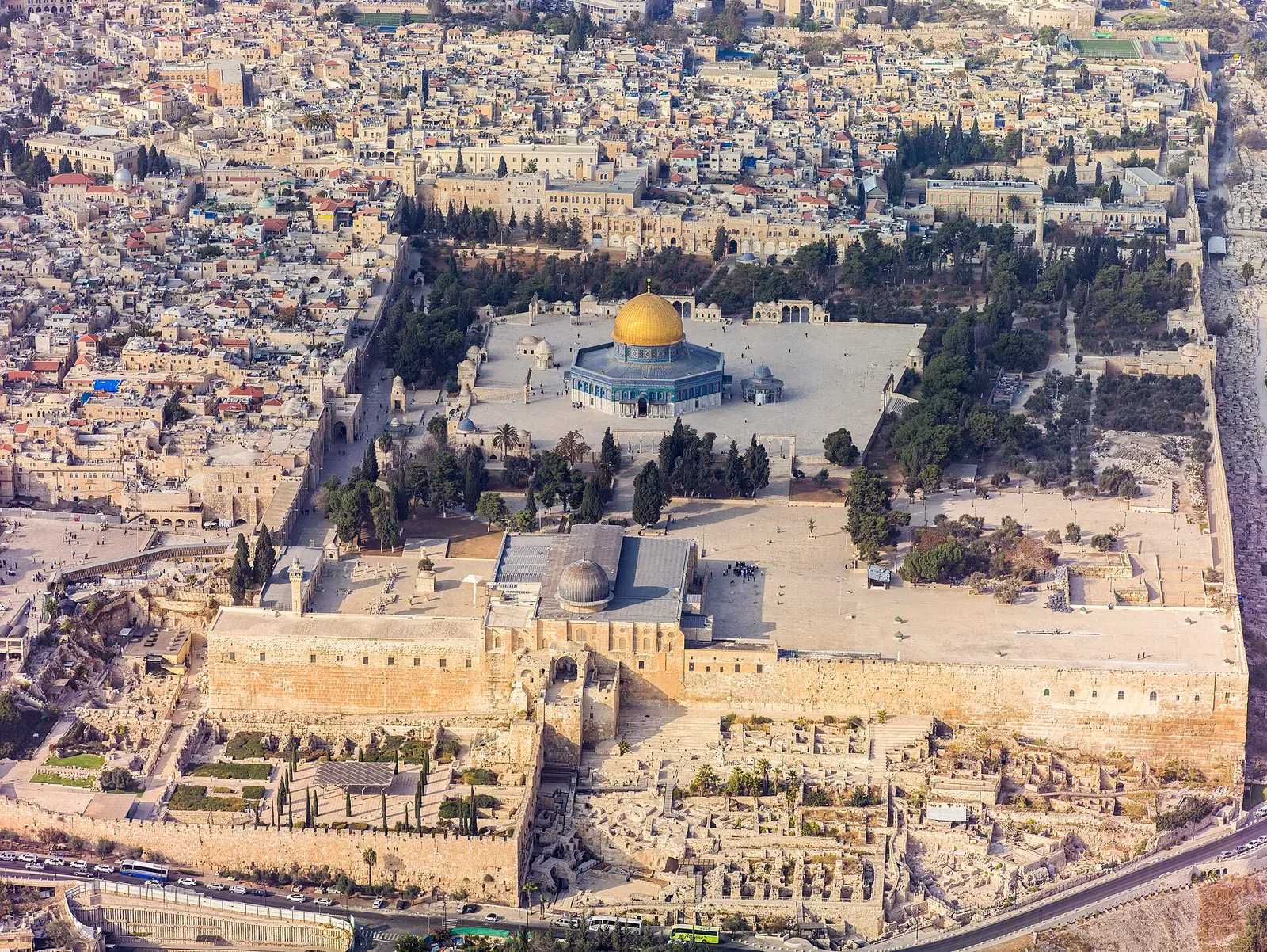 Today · 2013
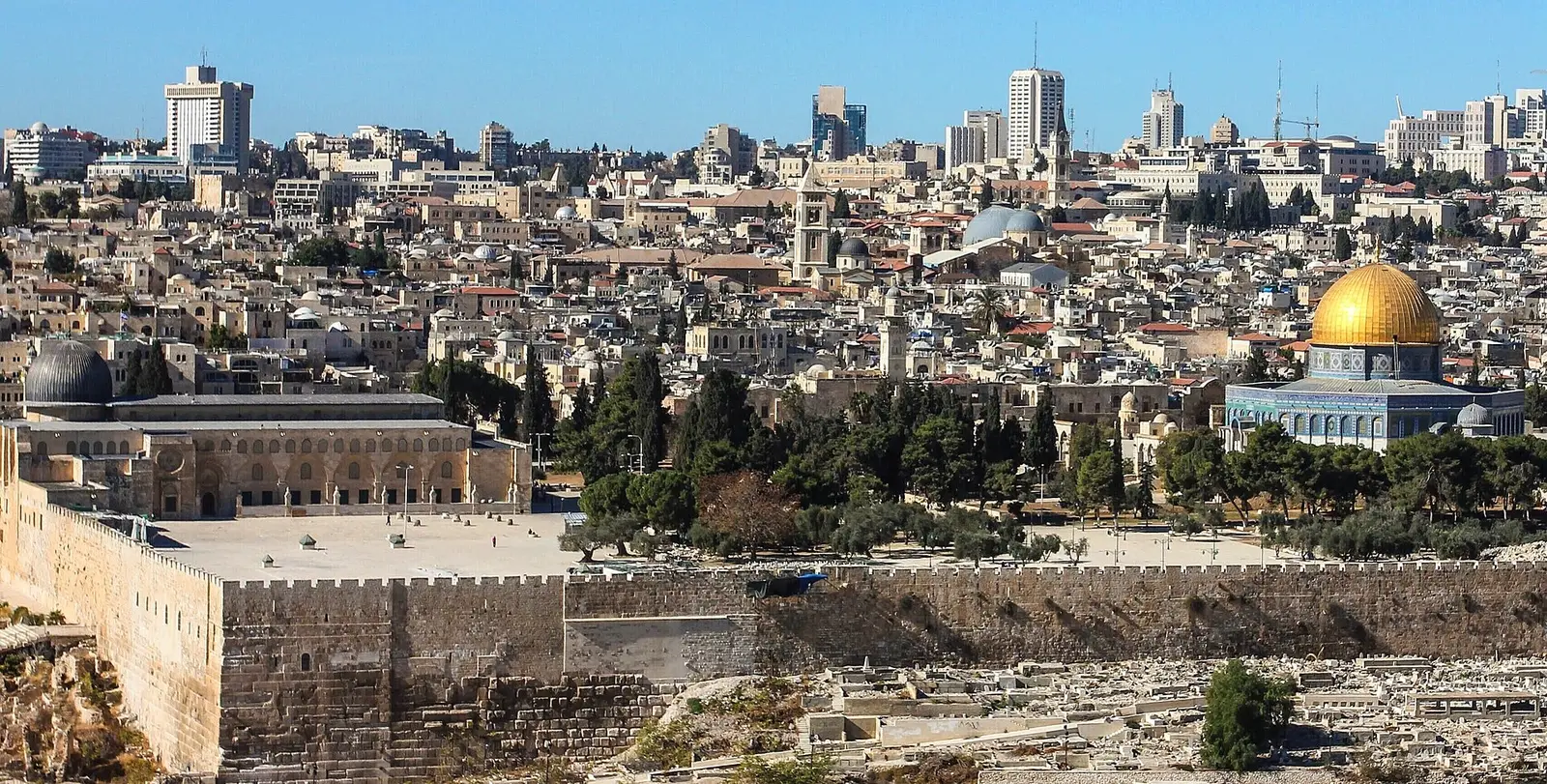 Today · 2013
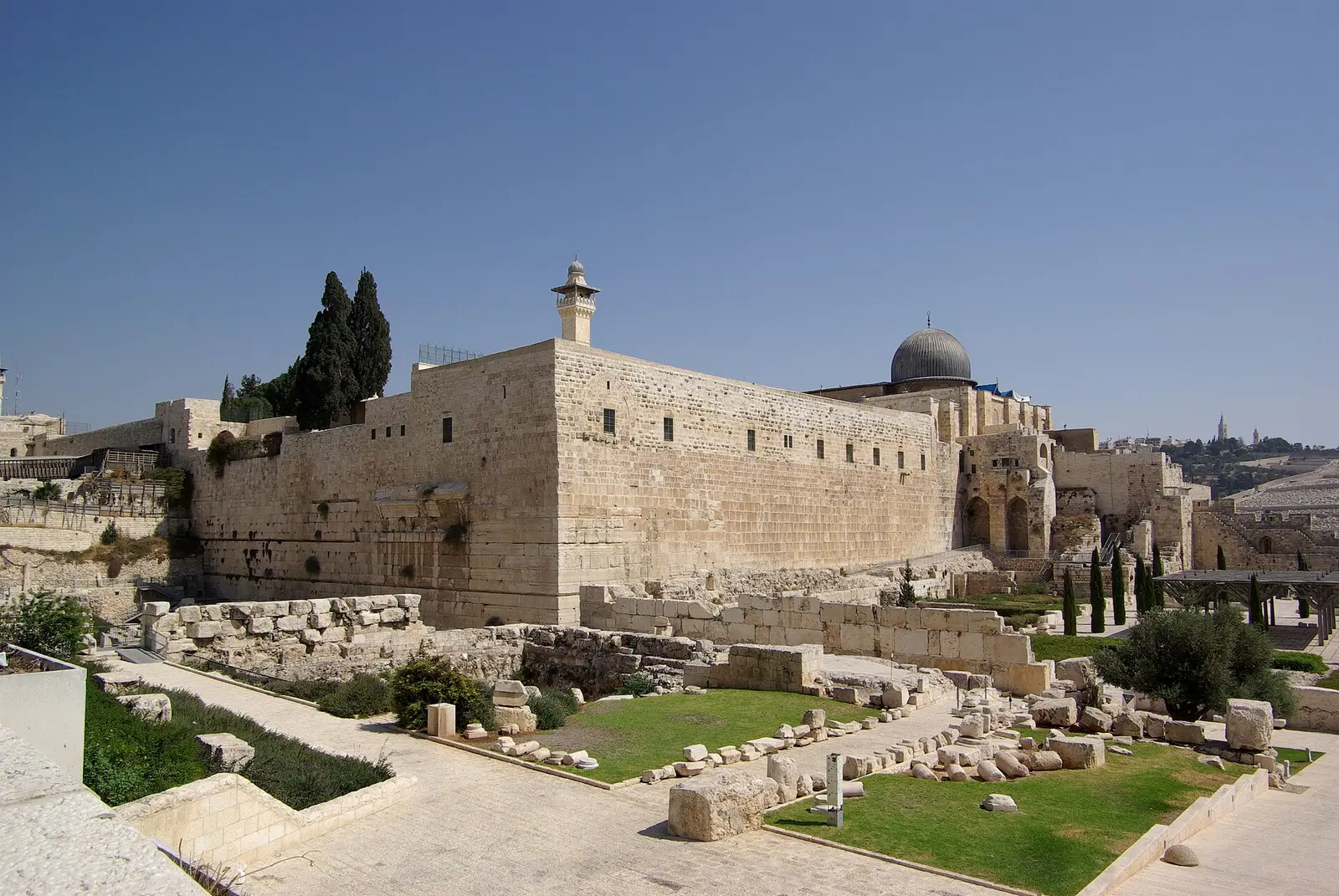 Today · 2010
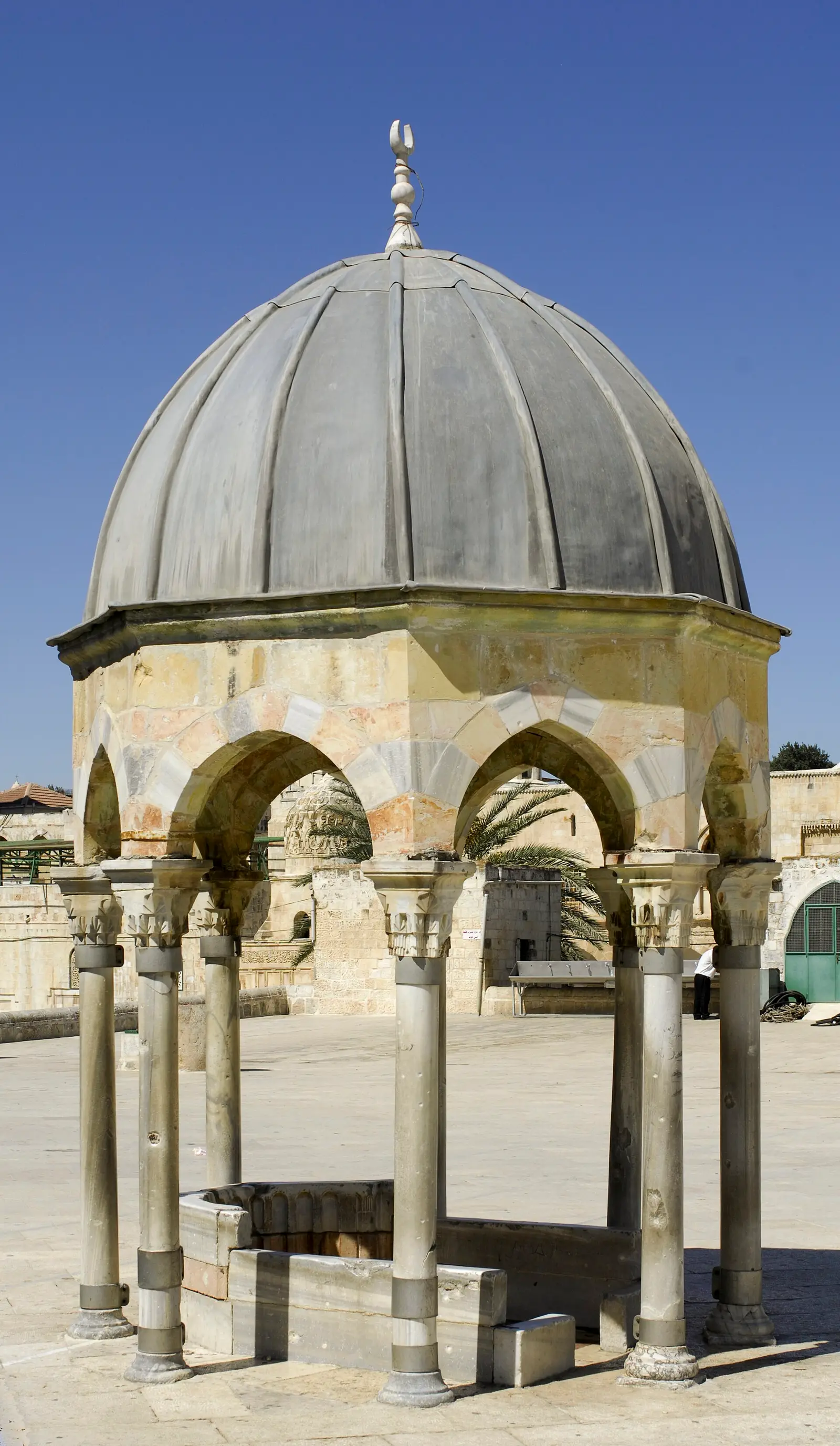 Today · 2008
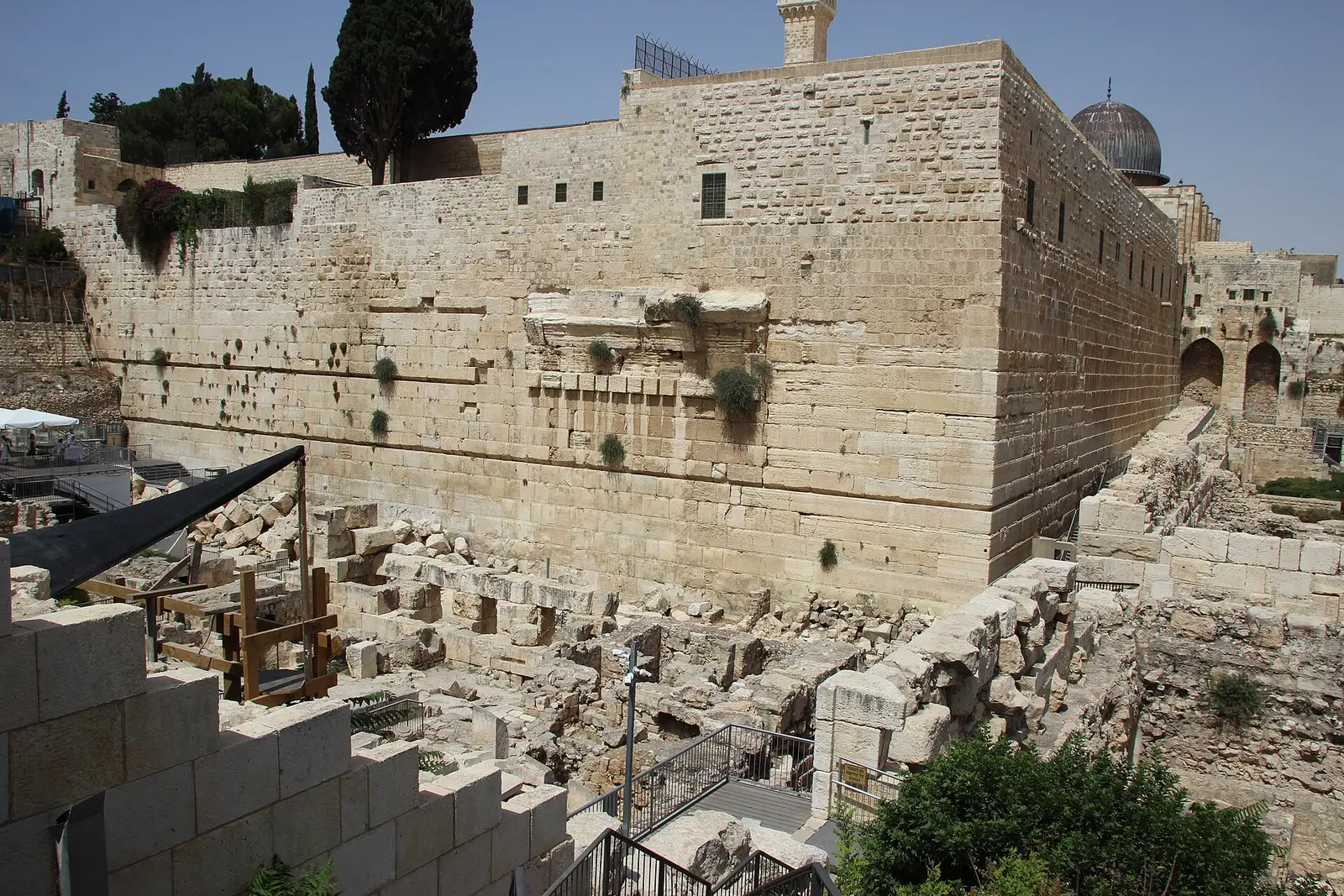 Excavation · 2018
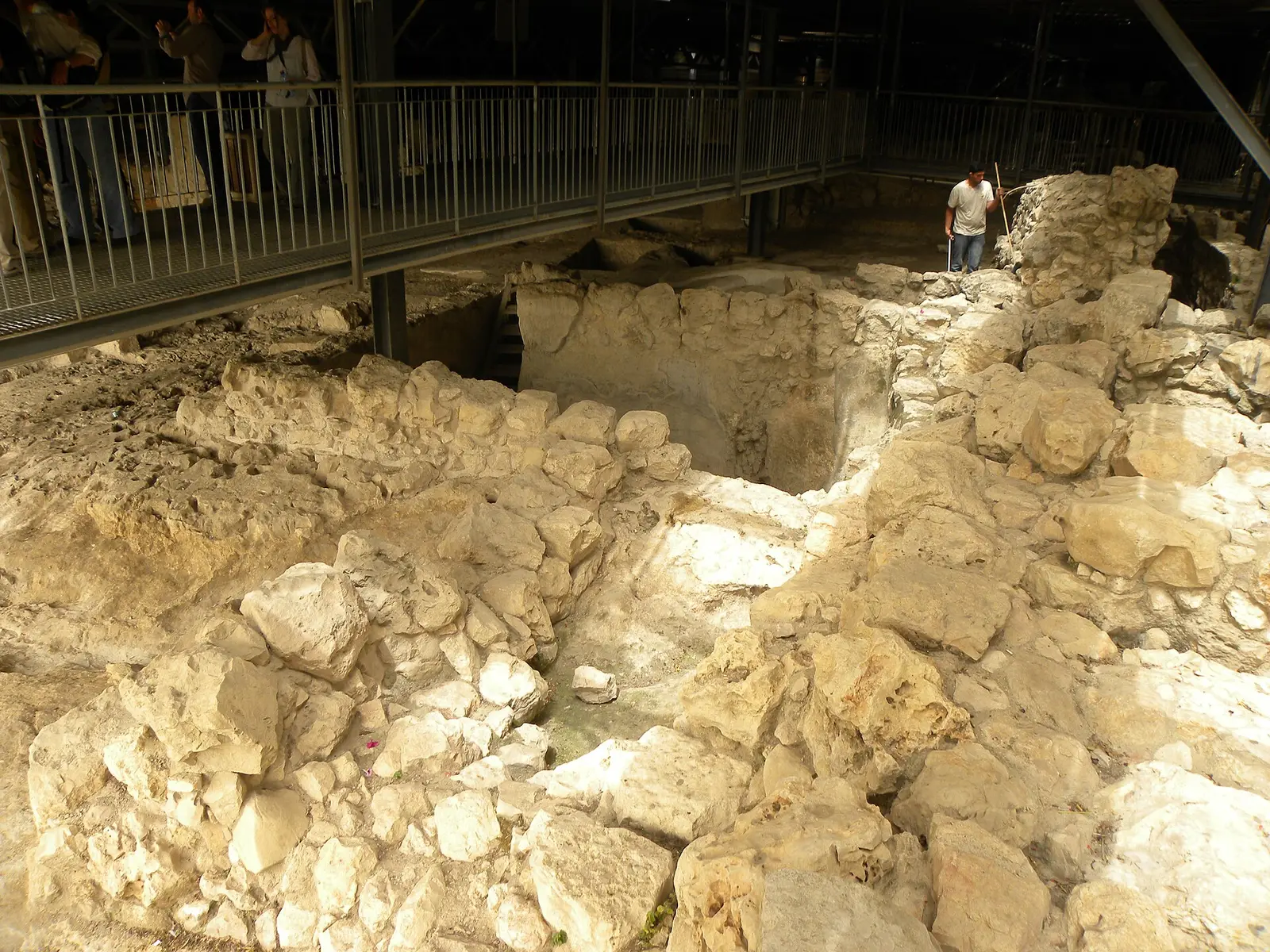 Excavation · 2011
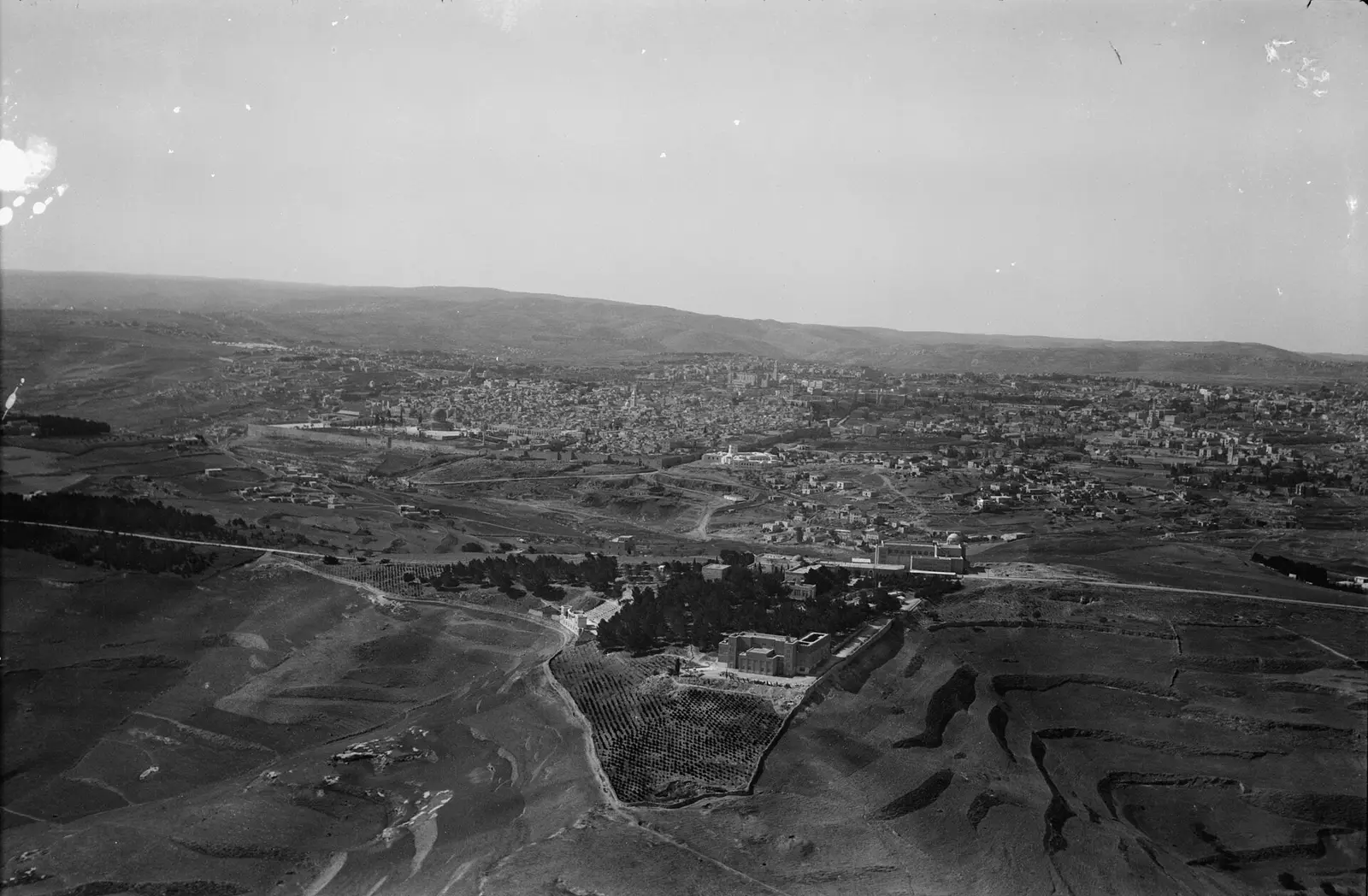 Back then · c. 1931
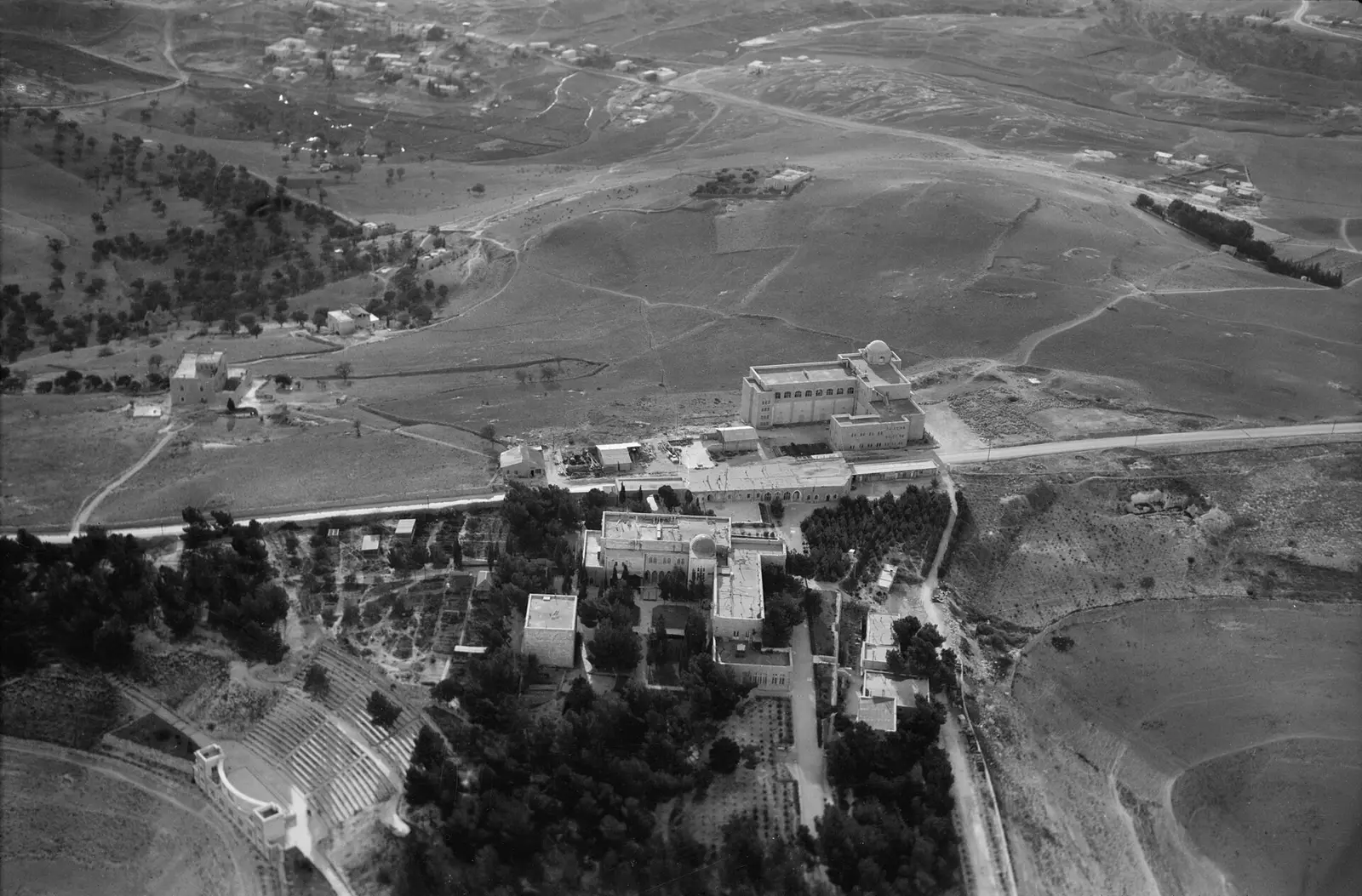 Back then · c. 1931
Photo credits
- Temple Mount from the south, aerial view with the Al-Aqsa Mosque – site of Solomon’s and later Herod’s temple. Today · 2013 · Godot13 · CC BY-SA 4.0 · Source
- Dome of the Rock on the Temple Mount, seen from the Mount of Olives – where the temple stood. Today · 2013 · askii · CC BY-SA 2.0 · Source
- South-west corner and southern wall of the Temple Mount – the retaining walls date from Herod’s time. Today · 2010 · Berthold Werner · CC BY-SA 3.0 · Source
- Small dome on the Temple Mount (Dome of the Prophet) – the former temple site today. Today · 2008 · Godot13 · CC BY-SA 4.0 · Source
- Excavations in Jerusalem’s Old City – layers from many centuries of the city’s history. Excavation · 2018 · Gary Todd from Xinzheng, China · CC0 1.0 · Source
- Excavation in the City of David on the eastern hill – walls down to bedrock, remains of the oldest city. Excavation · 2011 · Ian Scott · CC BY-SA 2.0 · Source
- Jerusalem from the air, 1931, with Scopus and the Mount of Olives in front – the city before modern development. Back then · c. 1931 · G. Eric and Edith Matson Photograph Collection, Library of Congress, Prints & Photographs Division, LC-DIG-matpc-22155 · Public Domain · Source
- Jerusalem from the air, from the east, 1931 – view over the Old City. Back then · c. 1931 · G. Eric and Edith Matson Photograph Collection, Library of Congress, Prints & Photographs Division, LC-DIG-matpc-22153 · Public Domain · Source


Photos from Wikimedia Commons and the Matson Collection of the Library of Congress, resized. Tap a photo to enlarge it. Captions AI-assisted – How the texts are made
Finds from here
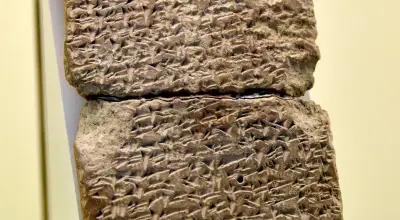 Amarna letter from Jerusalemmid-14th century BC
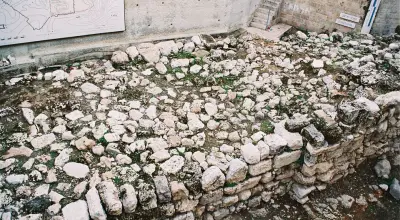 Broad Wall in Jerusalemsecond half of the 8th century BC
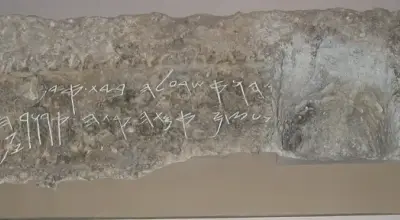 Royal steward’s tomb inscription (Silwan)c. 700 BC
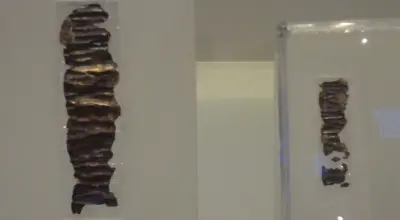 Ketef Hinnom silver amuletsc. 7th–6th century BC
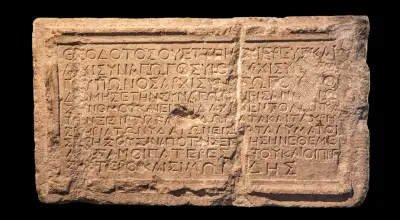 Theodotos Inscription1st century BC – 1st century AD (before 70)
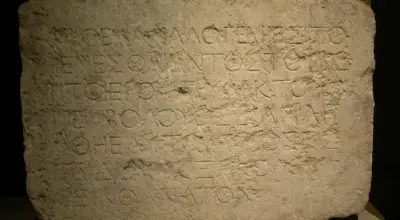 Temple warning inscription1st century BC – 1st century AD
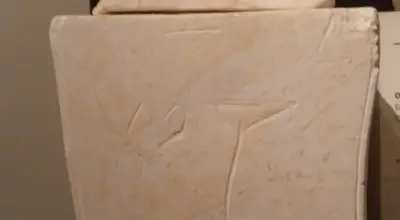 Caiaphas ossuary1st century AD
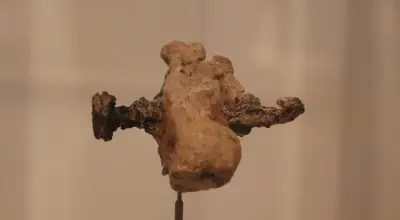 Heel bone of a crucified man (Yehohanan)1st century AD
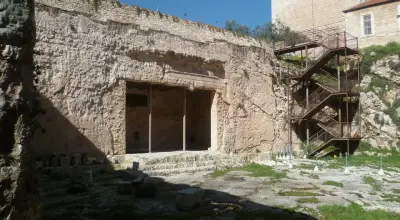 Tomb of Queen Helena (“Tombs of the Kings”)mid-1st century AD
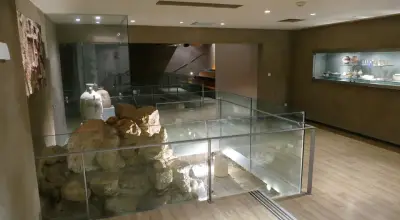 Burnt House in Jerusalemdestroyed AD 70
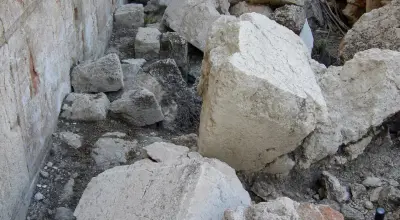 Fallen stones at the Temple MountAD 70
About the place
Jerusalem sits at about 760 metres on the ridge of the central hill country, some 22 kilometres west of the northern tip of the Dead Sea and roughly 50 kilometres from the Mediterranean.1 David took the Jebusite town as his capital and brought the ark there, so that Jerusalem became both the royal city and the holy city (2 Samuel 5:6–9; 6:12–17).1,2 Solomon built the first temple here; the Babylonians destroyed it, and after the exile temple and walls were rebuilt (1 Kings 6:1; 2 Kings 25:8–10; Ezra 6:15).1,2 In Jesus’ day the temple that Herod had rebuilt dominated the city (John 2:20).1,2
What the name means
The name is older than Israel: Egyptian execration texts from the 19th and 18th centuries BC probably call the city Urusalimum, and the Amarna letters of the 14th century write Urusalim.1 It is read as “city of Salim”, after an Amorite god, or, from the Hebrew form Yerushalayim, as “foundation of Shalem”.1 The Greek form Hierosolyma echoes hieros, “holy”, but this is a later play on words, not the origin of the name.1
Where Jerusalem was
The city stood on several hills ringed by deep valleys on every side but the north, where the road along the ridge from Hebron to Shechem crossed the routes from the Jordan Valley to the coast.1 Its only permanent spring was the Gihon in the Kidron Valley; later a tunnel of about 550 metres carried its water through the rock to the Pool of Siloam (2 Kings 20:20).1,2 Since that was not enough, cisterns, reservoirs and channels were dug from early times.1
Jerusalem in the Old Testament
Abraham gave a tenth to Melchizedek, king of Salem, and Chronicles identifies Mount Moriah, where Isaac was to be sacrificed, with the temple hill (Genesis 14:18–20; 22:2; 2 Chronicles 3:1).1,2 In Joshua’s time Adoni-zedek ruled here, but the Jebusites held the town until David captured it (Joshua 10:1–5; 15:63; 2 Samuel 5:6–9).1,2 Solomon spent seven years building the first temple and turned Jerusalem into a hub of trade where silver was as common as stones (1 Kings 6:1, 38; 10:27).1,2
Destruction and rebuilding
The Babylonians besieged Jerusalem from 588 BC, burned the temple and the palace, tore down the walls and carried many people away (2 Kings 25:1–11).1,2 After the Persian king Cyrus issued his decree in 538 BC a small group returned, and in 515 BC the second temple was dedicated (Ezra 1:1–4; 6:15–18).1,2 Nehemiah arrived in 445 BC, inspected the walls by night and had them rebuilt in 52 days (Nehemiah 2:11–16; 6:15).1,2
Jerusalem in Jesus’ day
Herod, named king of the Jews by the Roman Senate, ruled from Jerusalem from 37 to 4 BC (Matthew 2:1–3).1,2 He moved his government to the southwestern hill and built there a palace, a theatre and aqueducts, and he enlarged the fortress beside the temple into the Antonia.1 His rebuilding of the temple began in 20 BC and lasted until about AD 64, only six years before Titus destroyed it (John 2:20).1,2
Jerusalem in the Bible
Jerusalem appears in 432 sections across 38 books of the Bible – first in Joshua 10:1, last in Revelation 21:10. Most often in Jeremiah (43), Acts (37) and Isaiah (35).
Joshua
mentioned: 10:1–3; 10:5; 10:23; 12:10; 15:8; 15:63; 18:28
Judges
mentioned: 1:7–8; 1:21; 19:10
1 Samuel
mentioned: 17:54
2 Samuel
- 2 Samuel 5:1–25 King over All Israel, Jerusalem Becomes Capital
- 2 Samuel 7:1–17 God’s Covenant with David
- 2 Samuel 7:18–29 David’s Prayer of Thanks
- 2 Samuel 9:1–13 David and Mephibosheth
- 2 Samuel 11:1–27 David and Bathsheba
- 2 Samuel 12:1–25 Nathan Confronts David
- 2 Samuel 13:1–39 Amnon, Tamar and Absalom
- 2 Samuel 14:1–33 Absalom’s Return
- 2 Samuel 15:1–37 Absalom’s Revolt and David’s Flight
- 2 Samuel 16:1–23 Ziba, Shimei and Ahithophel
- 2 Samuel 19:1–43 David’s Return to Jerusalem
- 2 Samuel 24:1–25 The Census and the Altar on the Threshing Floor
mentioned: 8:7; 10:14; 12:31; 17:20; 20:2–3; 20:7; 20:22
1 Kings
- 1 Kings 2:1–12 David’s Last Words and Death
- 1 Kings 2:13–46 Solomon Secures His Throne
- 1 Kings 3:1–15 Solomon Asks for Wisdom
- 1 Kings 3:16–28 Solomon’s Judgment
- 1 Kings 4:1–34 Solomon’s Court and Wisdom
- 1 Kings 5:1–6:38 Building the Temple
- 1 Kings 7:1–51 The Palace and the Temple Furnishings
- 1 Kings 8:1–21 The Ark Enters the Temple
- 1 Kings 8:22–66 Solomon’s Prayer of Dedication
- 1 Kings 9:1–28 God’s Answer and Solomon’s Ventures
- 1 Kings 10:1–29 The Queen of Sheba
- 1 Kings 11:1–13 Solomon’s Heart Turns Away
- 1 Kings 11:14–43 Solomon’s Adversaries and Death
- 1 Kings 12:1–24 The Kingdom Divides
- 1 Kings 14:21–15:24 Rehoboam, Abijam and Asa in Judah
- 1 Kings 22:41–53 Jehoshaphat and Ahaziah
2 Kings
- 2 Kings 8:16–29 Jehoram and Ahaziah in Judah
- 2 Kings 11:1–21 Athaliah and Young Joash
- 2 Kings 12:1–21 Joash Repairs the Temple
- 2 Kings 14:1–29 Amaziah and Jeroboam II
- 2 Kings 15:1–38 Azariah and the Last Kings of Israel
- 2 Kings 16:1–20 Ahaz
- 2 Kings 18:1–37 Hezekiah and Sennacherib
- 2 Kings 19:1–37 Jerusalem Delivered
- 2 Kings 20:1–21 Hezekiah’s Illness and the Envoys from Babylon
- 2 Kings 21:1–26 Manasseh and Amon
- 2 Kings 22:1–23:30 Josiah and the Book of the Law
- 2 Kings 23:31–24:20 The Last Kings of Judah
- 2 Kings 25:1–21 The Destruction of Jerusalem
mentioned: 9:28
1 Chronicles
- 1 Chronicles 9:1–44 The Inhabitants of Jerusalem
- 1 Chronicles 11:1–9 David Becomes King, Jerusalem Captured
- 1 Chronicles 14:1–17 David’s House and Victories
- 1 Chronicles 15:1–16:6 The Ark Comes to Jerusalem
- 1 Chronicles 16:7–36 David’s Psalm of Thanksgiving
- 1 Chronicles 16:37–43 Worship before the Ark
- 1 Chronicles 17:1–27 God’s Covenant with David
- 1 Chronicles 21:1–30 The Census and Ornan’s Threshing Floor
- 1 Chronicles 22:1–19 David Prepares to Build the Temple
- 1 Chronicles 23:1–26:32 The Divisions of Levites and Priests
- 1 Chronicles 27:1–34 Army and Administration
- 1 Chronicles 28:1–21 David Commissions Solomon
- 1 Chronicles 29:1–30 Gifts for the Temple and David’s Death
mentioned: 3:4–5; 6:10; 6:15; 6:32; 8:28; 8:32; 18:7; 19:15; 20:1; 20:3
2 Chronicles
- 2 Chronicles 2:1–4:22 Building the Temple
- 2 Chronicles 5:1–14 The Ark Enters the Temple
- 2 Chronicles 6:1–42 Solomon’s Prayer of Dedication
- 2 Chronicles 7:1–22 Fire from Heaven and God’s Answer
- 2 Chronicles 8:1–18 Solomon’s Ventures
- 2 Chronicles 9:1–31 The Queen of Sheba and Solomon’s Death
- 2 Chronicles 11:1–12:16 Rehoboam
- 2 Chronicles 14:1–16:14 Asa
- 2 Chronicles 17:1–19 Jehoshaphat Strengthens Judah
- 2 Chronicles 19:1–11 Jehoshaphat’s Judges
- 2 Chronicles 20:31–37 Jehoshaphat’s End
- 2 Chronicles 21:1–20 Jehoram
- 2 Chronicles 22:1–23:21 Ahaziah, Athaliah and Joash
- 2 Chronicles 24:1–27 Joash and Jehoiada
- 2 Chronicles 25:1–28 Amaziah
- 2 Chronicles 26:1–23 Uzziah
- 2 Chronicles 27:1–9 Jotham
- 2 Chronicles 28:1–27 Ahaz
- 2 Chronicles 29:1–36 Hezekiah Cleanses the Temple
- 2 Chronicles 30:1–31:21 Hezekiah’s Passover and Reform
- 2 Chronicles 32:1–33 Sennacherib and Hezekiah’s End
- 2 Chronicles 33:1–25 Manasseh and Amon
- 2 Chronicles 34:1–33 Josiah and the Book of the Law
- 2 Chronicles 35:1–27 Josiah’s Passover and Death
- 2 Chronicles 36:1–21 The Fall of Jerusalem
mentioned: 1:4; 1:13–15; 10:18; 13:2; 20:4–5; 20:15; 20:17–18; 20:20; 20:27–28; 36:23
Ezra
- Ezra 2:1–70 The List of Returning Exiles
- Ezra 3:1–13 The Altar and the Foundation
- Ezra 4:1–24 Opposition to the Building
- Ezra 5:1–6:12 Darius Confirms the Building
- Ezra 6:13–22 The Temple Is Completed
- Ezra 7:1–28 Ezra Comes to Jerusalem
- Ezra 8:1–36 Ezra’s Journey
- Ezra 9:1–15 Ezra’s Prayer of Confession
- Ezra 10:1–44 The Separation from Foreign Wives
mentioned: 1:2–5; 1:7; 1:11
Nehemiah
- Nehemiah 2:1–20 Nehemiah Goes to Jerusalem
- Nehemiah 3:1–32 The Builders of the Wall
- Nehemiah 4:1–23 Ridicule and Threats
- Nehemiah 5:1–19 Nehemiah Helps the Poor
- Nehemiah 6:1–19 The Wall Is Completed
- Nehemiah 7:1–73 The List of Returning Exiles
- Nehemiah 8:1–18 Ezra Reads the Law
- Nehemiah 9:1–38 The Great Prayer of Confession
- Nehemiah 10:1–39 The People’s Pledge
- Nehemiah 11:1–12:26 The Residents of Jerusalem and the Priests
- Nehemiah 12:27–47 The Dedication of the Wall
- Nehemiah 13:1–31 Nehemiah’s Final Reforms
mentioned: 1:2–3
Esther
mentioned: 2:6
Psalms
mentioned: 48:3; 51:18; 68:29; 79:1; 79:3; 87:4; 87:6–7; 99:9; 102:21; 116:19; 120:1; 121:1; 122:1–3; 122:6–7; 122:9; 123:1; 124:1; 125:1–2; 127:1; 128:1; 128:5; 129:1; 130:1; 131:1; 132:1; 133:1; 134:1; 135:21; 137:5–7; 147:2; 147:12
Ecclesiastes
- Ecclesiastes 1:1–18 Everything Is Vanity
mentioned: 2:7; 2:9
Song of Songs
mentioned: 1:5; 2:7; 3:5; 3:10; 5:8; 5:16; 6:4; 8:4
Isaiah
- Isaiah 6:1–13 Isaiah’s Commission
- Isaiah 7:1–25 The Sign of Immanuel
- Isaiah 36:1–22 Sennacherib Threatens Jerusalem
- Isaiah 37:1–38 Hezekiah’s Prayer and Jerusalem’s Deliverance
- Isaiah 38:1–22 Hezekiah’s Illness and Recovery
- Isaiah 39:1–8 The Envoys from Babylon
mentioned: 1:1; 1:21; 1:26; 2:1; 2:3; 3:1; 3:8; 4:3–4; 5:3; 5:14; 5:26; 8:14; 10:10–12; 10:32; 22:1; 22:5; 22:10; 22:21; 24:23; 25:6; 25:10; 27:13; 28:14; 29:2–3; 30:19; 30:29; 31:5; 31:9; 33:20; 40:2; 40:9; 41:27; 44:26; 44:28; 49:16; 51:17; 52:1–2; 52:9; 54:1; 54:11; 56:7; 60:1; 60:14; 62:1; 62:5–8; 62:12; 64:10; 65:18–19; 66:7; 66:10; 66:12–13; 66:20
Jeremiah
- Jeremiah 7:1–8:3 The Temple Sermon
- Jeremiah 18:1–23 At the Potter’s House
- Jeremiah 19:1–20:6 The Broken Jar
- Jeremiah 20:7–18 You Deceived Me, LORD
- Jeremiah 26:1–24 Jeremiah on Trial
- Jeremiah 27:1–22 The Yoke of Babylon
- Jeremiah 28:1–17 Hananiah the False Prophet
- Jeremiah 29:1–32 The Letter to the Exiles
- Jeremiah 32:1–44 Jeremiah Buys a Field
- Jeremiah 34:1–22 The Revoked Release of Slaves
- Jeremiah 35:1–19 The Rechabites
- Jeremiah 36:1–32 The Scroll Is Burned
- Jeremiah 37:1–21 Jeremiah Imprisoned
- Jeremiah 38:1–28 In the Cistern
- Jeremiah 39:1–18 The Fall of Jerusalem
- Jeremiah 52:1–34 The Fall of Jerusalem Recounted
mentioned: 1:3; 1:15–16; 2:2; 3:17; 4:3–4; 4:5; 4:10–11; 4:14; 4:16–17; 5:1; 5:7; 6:1; 6:6; 6:8; 8:5; 9:11; 10:17; 11:2; 11:6; 11:9; 11:12–13; 13:9; 13:13; 13:20; 13:27; 14:2; 14:16; 14:21; 15:4–5; 15:11; 17:19–21; 17:25–27; 21:6; 21:8–9; 21:13; 22:4; 22:19–20; 23:14–16; 24:1; 24:8; 25:2; 25:18; 25:29; 30:18; 31:23; 31:38; 33:6; 33:10; 33:13; 33:16; 40:1; 41:5; 42:18; 44:2; 44:5–6; 44:9; 44:13; 44:17; 44:21; 51:35–36; 51:50
Lamentations
- Lamentations 1:1–22 How Lonely Sits the City
- Lamentations 2:1–22 The Lord’s Anger over Zion
- Lamentations 3:1–66 His Mercies Are New Every Morning
- Lamentations 4:1–22 How the Gold Has Grown Dim
- Lamentations 5:1–22 Restore Us, LORD
Ezekiel
mentioned: 4:1; 4:3; 4:7; 4:16; 5:2; 5:5; 5:8; 5:10; 5:16; 7:23; 8:3; 9:4; 9:8; 11:9; 11:15; 11:24; 12:10; 12:12; 12:19; 13:16; 14:21–22; 15:6; 16:2–3; 17:12; 17:17; 21:2; 21:20–23; 22:2; 22:19; 23:4; 24:2; 24:6; 24:9; 24:26; 26:2; 33:21; 36:38; 40:1; 43:3
Daniel
mentioned: 1:1; 5:2–3; 6:10; 9:2; 9:7; 9:12; 9:16; 9:20; 9:25
Joel
mentioned: 2:32; 3:1; 3:6; 3:16–17; 3:20
Amos
mentioned: 1:2; 2:5
Obadiah
Micah
mentioned: 1:1; 1:5; 1:9; 1:12; 3:10; 3:12; 4:2; 4:8–9; 4:11; 5:1; 6:9
Zephaniah
mentioned: 1:4; 1:12; 3:1; 3:7; 3:11; 3:14; 3:16
Haggai
- Haggai 1:1–15 Build the House!
- Haggai 2:1–9 The Future Glory of the House
- Haggai 2:10–19 From This Day I Will Bless You
Zechariah
- Zechariah 7:1–14 Justice and Mercy Rather Than Fasting
mentioned: 1:12; 1:14; 1:16–17; 1:19; 2:2; 2:4–5; 2:12; 3:2; 8:2–4; 8:8; 8:15; 8:20–22; 9:9–10; 12:2–3; 12:5–11; 13:1; 14:1–2; 14:4; 14:8; 14:10–12; 14:14; 14:16–17; 14:21
Malachi
Matthew
- Matthew 2:1–12 The Magi
- Matthew 21:1–17 Entry into Jerusalem and the Temple Cleansed
- Matthew 21:18–22 The Fig Tree
- Matthew 21:23–46 By What Authority?
- Matthew 22:1–14 The Wedding Banquet
- Matthew 22:15–46 Trick Questions in the Temple
- Matthew 23:1–39 Woe to You, Scribes
- Matthew 26:17–35 The Last Supper
- Matthew 26:57–75 Before the Sanhedrin
- Matthew 27:1–26 Before Pilate
- Matthew 28:1–15 The Resurrection
mentioned: 3:5; 4:5; 4:25; 5:35; 15:1; 16:21; 20:17–18; 27:53
Mark
- Mark 11:12–26 The Fig Tree and the Temple
- Mark 11:27–12:12 By What Authority?
- Mark 12:13–27 Taxes and the Resurrection
- Mark 12:28–37 The Greatest Commandment
- Mark 12:38–44 The Scribes and the Poor Widow
- Mark 14:12–31 The Last Supper
- Mark 14:53–72 Trial and Denial
- Mark 15:1–20 Jesus before Pilate
- Mark 16:1–8 The Empty Tomb
- Mark 16:9–20 Appearances and Commission (Longer Ending)
mentioned: 1:5; 3:8; 3:22; 7:1; 10:17; 10:32–33; 11:1; 11:11; 15:41
Luke
- Luke 2:21–40 Simeon and Anna in the Temple
- Luke 2:41–52 The Boy Jesus in the Temple
- Luke 19:11–27 The Ten Minas
- Luke 19:28–48 Entry into Jerusalem
- Luke 20:1–19 Authority and the Wicked Tenants
- Luke 20:20–47 Trick Questions in the Temple
- Luke 21:1–4 The Widow’s Offering
- Luke 22:1–6 Judas’s Plan
- Luke 22:7–38 The Last Supper
- Luke 22:54–71 Denial and Interrogation
- Luke 23:1–25 Before Pilate and Herod
- Luke 23:50–56 The Burial
- Luke 24:1–12 The Empty Tomb
- Luke 24:13–35 The Road to Emmaus
- Luke 24:36–53 Appearance and Ascension
mentioned: 4:9; 5:17; 6:17; 9:31; 9:51; 9:53; 10:30; 10:38; 13:4; 13:22; 13:33–34; 17:11; 18:31; 21:20–21; 21:24; 23:28
John
- John 2:13–25 The Temple Cleansed
- John 3:1–21 Jesus and Nicodemus
- John 7:1–36 At the Feast of Tabernacles
- John 7:53–8:11 The Woman Caught in Adultery
- John 8:12–30 The Light of the World
- John 8:31–59 Before Abraham Was, I Am
- John 10:1–21 The Good Shepherd
- John 10:22–42 At the Feast of Dedication
- John 11:45–57 The Council’s Decision
- John 12:1–19 Anointing at Bethany and Entry
- John 13:1–30 The Washing of Feet
- John 13:31–38 The New Commandment
- John 14:1–31 The Way, the Truth and the Life
- John 15:1–27 The True Vine
- John 16:1–33 The Helper Is Coming
- John 17:1–26 Jesus’ Prayer
- John 18:1–27 Arrest and Denial
- John 20:1–18 Mary Magdalene at the Tomb
- John 20:19–31 Thomas and the Disciples
mentioned: 1:19; 3:22; 4:20–21; 4:45; 5:1–2; 11:18; 12:20; 19:20
Acts
- Acts 1:1–11 Promise and Ascension
- Acts 1:12–26 Matthias Chosen
- Acts 2:1–13 The Coming of the Spirit
- Acts 2:14–41 Peter’s Sermon at Pentecost
- Acts 2:42–47 The Life of the First Church
- Acts 4:1–22 Peter and John before the Council
- Acts 4:23–37 Prayer for Boldness and Sharing
- Acts 5:1–16 Ananias and Sapphira
- Acts 5:17–42 The Apostles before the Council
- Acts 6:1–7 Seven Chosen to Serve
- Acts 6:8–7:53 Stephen before the Council
- Acts 7:54–8:3 The Stoning of Stephen
- Acts 9:20–31 Saul Proclaims Christ
- Acts 11:1–18 Peter Reports in Jerusalem
- Acts 12:1–19 Peter’s Rescue
- Acts 15:1–35 The Council at Jerusalem
- Acts 21:1–16 Journey to Jerusalem
- Acts 21:17–36 Paul Seized in the Temple
- Acts 21:37–22:29 Defense before the Crowd
- Acts 22:30–23:11 Paul before the Council
- Acts 23:12–35 The Plot and the Transfer to Caesarea
mentioned: 8:14; 8:25; 8:26–27; 9:2; 9:13; 10:39; 11:22; 11:27; 11:30; 12:25; 13:13; 13:27; 13:31; 16:4; 18:22; 19:21; 20:16; 20:22; 24:11; 24:17; 25:1; 25:3; 25:7; 25:9; 25:15; 25:20; 25:24; 26:4; 26:10; 26:20; 28:17
Romans
mentioned: 15:19; 15:25–27; 15:31
1 Corinthians
mentioned: 16:1; 16:3
2 Corinthians
mentioned: 8:4; 8:19; 9:1; 9:12
Galatians
mentioned: 1:17–18; 2:1; 4:25–26
Hebrews
mentioned: 12:22
Revelation
mentioned: 3:12; 11:8; 21:2; 21:10
Places nearby
Often mentioned together
Events at this place
- Reign of David
- Death of David
- Reign of Solomon
- Solomon’s Adversaries and Death
- Reign of Rehoboam, the kingdom divides
- Reign of Abijam
- Reign of Asa
- Death of Abijam
- Reign of Jehoshaphat
- Jehoram, king of Judah
- Death of Jehoshaphat
- Ahaziah, king of Judah
- Death of Jehoram
- Joash, king of Judah
- Amaziah, king of Judah
- Uzziah (Azariah), king of Judah
- Jotham, king of Judah
- Ahaz, king of Judah
- Death of Ahaz
- Hezekiah, king of Judah
- Reign of Manasseh
- Reign of Amon
- Reign of Josiah
- Reign of Jehoiakim
- Reign of Jehoahaz (Shallum)
- Reign of Jehoiachin
- Reign of Zedekiah
- The Returning Exiles
- The Altar and the Foundation
- The Magi visit Herod
- Jesus presented in the temple
- The boy Jesus in the temple
- First Passover and temple cleansing
- Jesus and Nicodemus
- The Sermon on the Mount
- Samaritans reject Jesus
- The parable of the Good Samaritan
- Jesus with Martha and Mary
- “I am the light of the world”
- The Good Shepherd
- The Feast of Dedication
- Triumphal entry into Jerusalem
- The temple cleansed
- Teaching at the withered fig tree
- The fig tree cursed
- Debates in the temple
- Resurrection and ascension
- Trial before Pilate
- The chief priests plot against Jesus
- The farewell discourses
- Jesus ascends to heaven
- The Holy Spirit promised
- Matthias replaces Judas
- The Holy Spirit comes
- Pentecost: Peter preaches
- The church grows
- Peter and John on trial
- The believers pray for boldness
- The believers share everything
- Ananias and Sapphira lie to God
- Signs and wonders of the apostles
- The apostles arrested and tried
- Gamaliel’s advice and release
- Seven chosen to serve
- Stephen’s speech to the council
- Stephen seized
- Stephen stoned
- Saul persecutes the church
- Saul proclaims Jesus
- Peter defends the mission to the Gentiles
- Mission to Pisidian Antioch
- The first missionary journey
- The Council of Jerusalem
- Voyage from Miletus to Jerusalem
- Paul arrested in the temple
- Paul visits the elders in Jerusalem
- Paul tells his testimony
- Paul before the council
- The plot to kill Paul
- The Inhabitants of Jerusalem
References
- Tyndale Open Bible Dictionary – Article “Jerusalem” · tyndaleopenresources.com
- Bible text: 2 Samuel 5:6–9; 2 Samuel 6:12–17; 1 Kings 6:1; 1 Kings 6:38; 1 Kings 10:27; 2 Kings 20:20; 2 Kings 25:1–11; Genesis 14:18–20; Genesis 22:2; 2 Chronicles 3:1; Joshua 10:1–5; Joshua 15:63; Ezra 1:1–4; Ezra 6:15–18; Nehemiah 2:11–16; Nehemiah 6:15; Matthew 2:1–3; John 2:20