Egypt
- Kind
- Region
- Today
- Egypt
- Location
- securely identified (confidence 1000 of 1000)
When the place appears in the Bible
Map
Base map: Natural Earth (public domain), places after OpenBible.info (CC BY 4.0), © OpenStreetMap (ODbL) · All sources and licences
Notes and sources for this map
Location after OpenBible.info
Pictures
Today: the place and its landscape as they look today
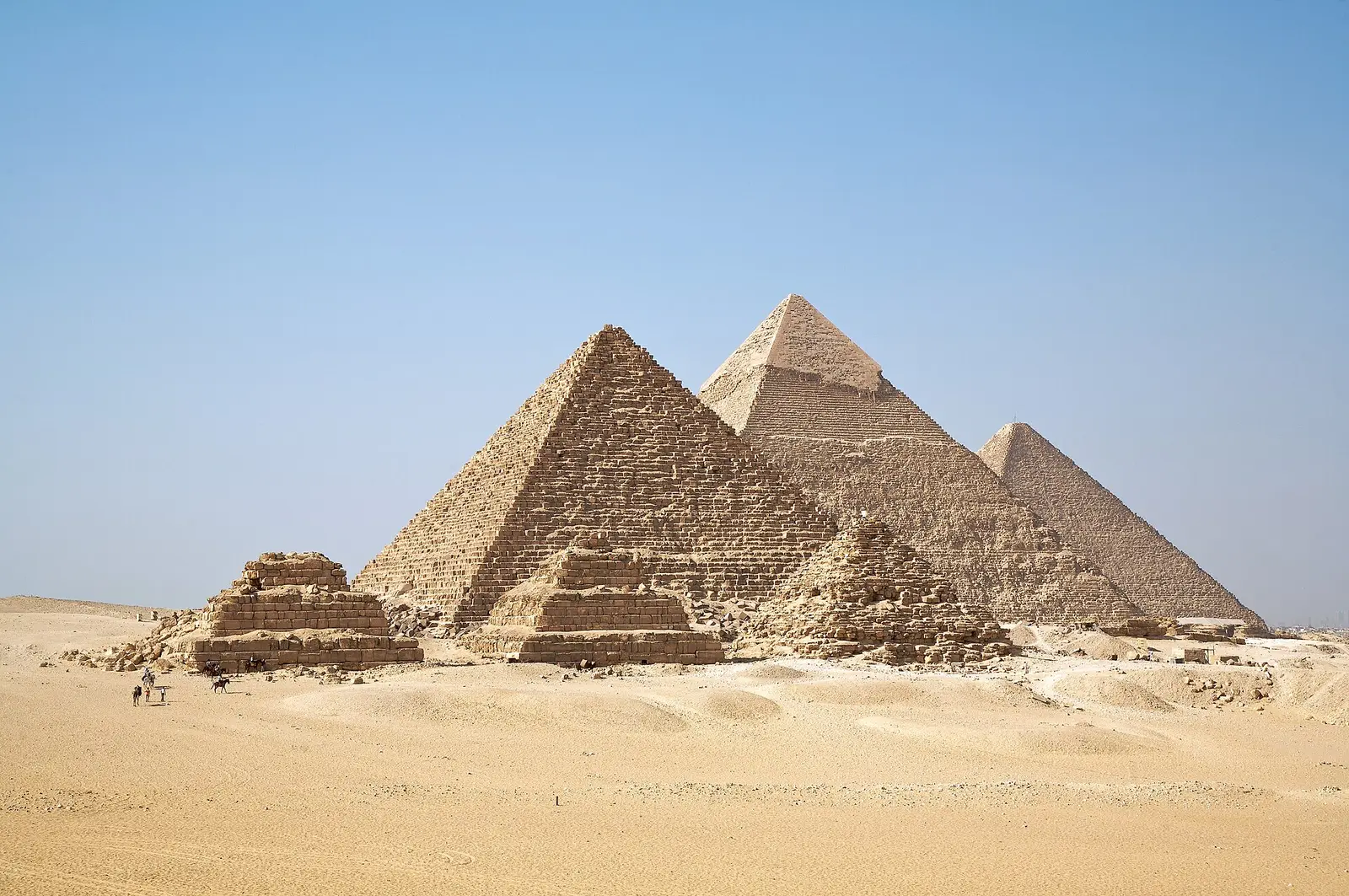
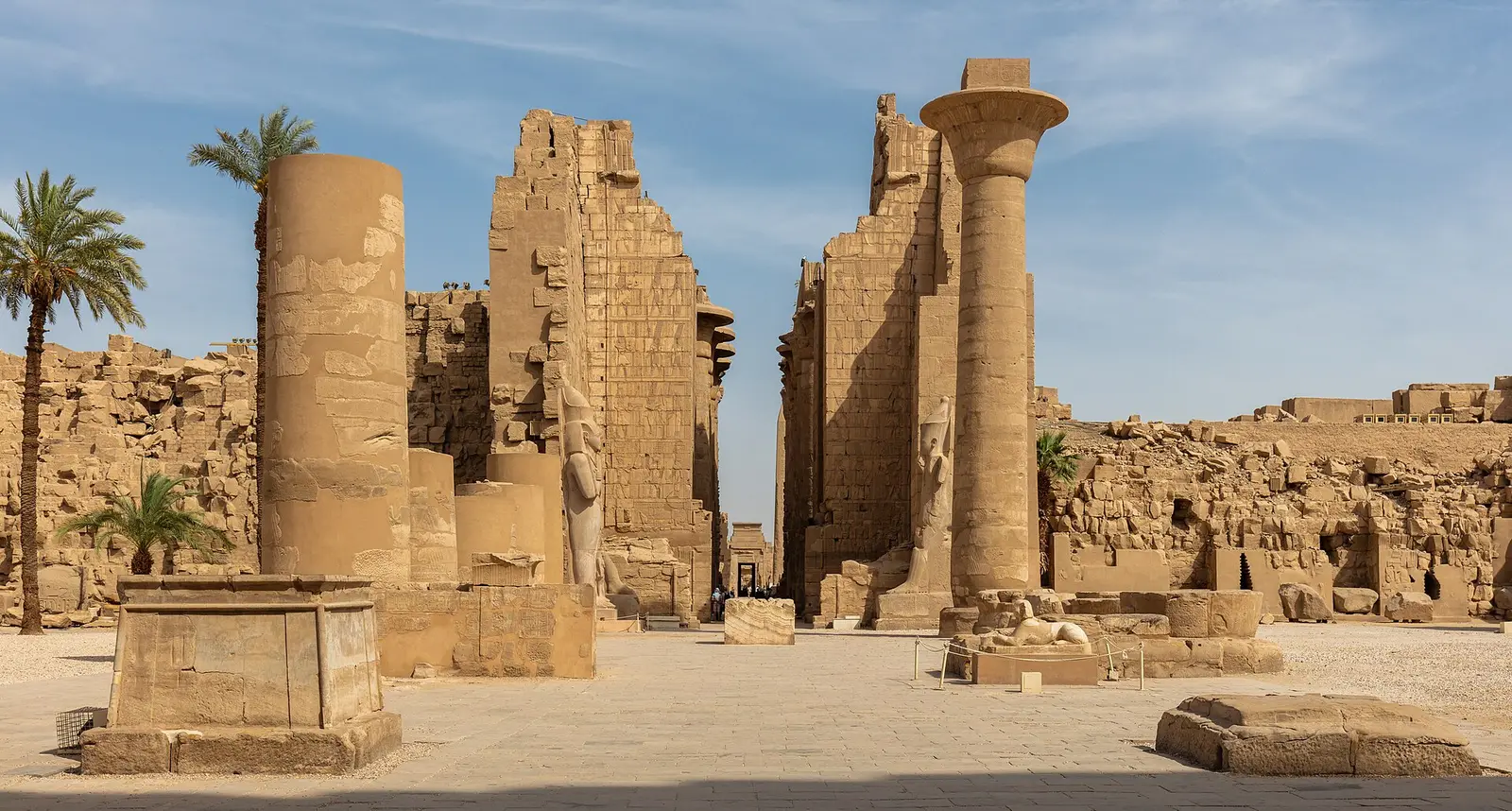
Photo credits
- The pyramids of Giza, built around 2500 BC. Today · 2006 · Ricardo Liberato · CC BY-SA 2.0 · Source
- Columns and walls in the Temple of Karnak at Luxor, ancient Thebes in Upper Egypt. Today · 2022 · Diego Delso · CC BY-SA 4.0 · Source


Photos from Wikimedia Commons and the Matson Collection of the Library of Congress, resized. Tap a photo to enlarge it. Captions AI-assisted – How the texts are made
About the place
Egypt is the land of the Nile: a narrow band of fertile silt along the river valley and the delta north of Cairo made up its farmland, with desert all around.1 In the Bible Egypt is a refuge in famine and a house of bondage: Abram went there, Joseph rose to be Pharaoh’s highest official, and Israel lived in the land of Goshen until the exodus after the plagues (Genesis 12:10; 41:41; 47:27; Exodus 12:40–41).1,2 The paths of Egypt and Israel kept crossing later on, and at the start of the New Testament Jesus’ family found shelter in Egypt from Herod (Matthew 2:13–15).1,2
What the name means
In the Old Testament Egypt is called Mitzrayim, a word with the Hebrew ending for a pair.1 That fits the country’s history: around 3100 BC a king united Upper and Lower Egypt, yet Egyptians went on speaking of the “Two Lands”, and Pharaoh wore a double crown.1
Where Egypt was
Ancient Egypt stretched about 200 kilometres from the coast to Cairo (Lower Egypt) and roughly 965 kilometres further up the Nile to Aswan (Upper Egypt).1 With almost no rain, the land lived from the Nile, which left a layer of rich mud every year and supplied water for irrigation; valley and delta together offered some 16,000 square kilometres of farmland.1 Cataracts in the south, deserts to the east and west and a coast without harbours shielded the country, so outside influence came mainly through the two northern corners of the delta.1
Egypt in the Old Testament
Joseph was sold into Egypt as a slave and rose to be Pharaoh’s highest official, and through him Jacob’s family settled in Goshen in the eastern delta (Genesis 41:41–43; 47:27).1,2 Later their descendants were oppressed and then freed after the ten plagues; according to Exodus 12:40 they lived in Egypt for 430 years.1,2 The plagues also struck the gods of the land: the Nile, worshipped as Hapi, the sun, and the firstborn of Pharaoh, who counted as son of the sun god (Exodus 12:12).1,2
Egypt and the kings of Israel and Judah
In Rehoboam’s fifth year Pharaoh Shishak marched on Jerusalem and carried off the treasures of the temple and the palace (1 Kings 14:25–26).1,2 In Hezekiah’s day Tirhakah king of Cush set out against the Assyrians, and later King Josiah was killed when he went out to stop Pharaoh Neco (2 Kings 19:9; 23:29).1,2 After Jerusalem fell, people of Judah took Jeremiah to Egypt against his will, and there he announced the end of Pharaoh Hophra (Jeremiah 43:6–7; 44:30).1,2
Egypt in the New Testament
In Alexandria, Jews translated the Old Testament into Greek between about 250 and 150 BC; this Septuagint became the Bible of the early church, above all outside Palestine.1 When Joseph, Mary and Jesus fled from Herod to Egypt, the country was under Roman rule (Matthew 2:13–15).1,2 Hebrews recalls that Moses counted the riches of Egypt as worth less than bearing reproach for Christ (Hebrews 11:26).1,2
Egypt in the Bible
Egypt appears in 247 sections across 33 books of the Bible – first in Genesis 12:10, last in Revelation 11:8. Most often in Exodus (35), Genesis (22) and Deuteronomy (22).
Genesis
- Genesis 12:10–20 Abram and Sarai in Egypt
- Genesis 39:1–23 Joseph in Potiphar’s House
- Genesis 40:1–23 The Cupbearer and the Baker
- Genesis 41:1–36 Pharaoh’s Dreams
- Genesis 41:37–57 Joseph Rules over Egypt
- Genesis 42:1–38 Joseph’s Brothers Come to Egypt
- Genesis 43:1–34 The Second Journey with Benjamin
- Genesis 44:1–34 The Silver Cup and Judah’s Plea
- Genesis 45:1–28 Joseph Reveals Himself
- Genesis 47:13–31 The Famine in Egypt
- Genesis 48:1–22 Jacob Blesses Ephraim and Manasseh
- Genesis 49:1–28 Jacob Blesses His Sons
- Genesis 49:29–50:14 Jacob’s Death and Burial
- Genesis 50:15–26 Joseph Comforts His Brothers
mentioned: 13:1; 13:10; 15:18; 21:21; 25:18; 26:2; 37:25; 37:28; 37:36; 46:1; 46:3–8; 46:20; 46:26–27; 47:4; 47:6; 47:11
Exodus
- Exodus 1:1–22 Israel Oppressed in Egypt
- Exodus 2:1–10 The Birth of Moses
- Exodus 4:18–31 Moses Returns to Egypt
- Exodus 5:1–23 Bricks without Straw
- Exodus 6:1–13 God Promises Deliverance
- Exodus 6:14–30 The Families of Moses and Aaron
- Exodus 7:1–13 Aaron’s Staff before Pharaoh
- Exodus 7:14–25 The First Plague: Blood
- Exodus 8:1–15 The Second Plague: Frogs
- Exodus 8:16–32 Gnats and Flies
- Exodus 9:1–12 Livestock and Boils
- Exodus 9:13–35 The Seventh Plague: Hail
- Exodus 10:1–20 The Eighth Plague: Locusts
- Exodus 10:21–29 The Ninth Plague: Darkness
- Exodus 11:1–10 The Last Plague Announced
- Exodus 12:1–20 The First Passover
- Exodus 12:43–13:16 Rules for Passover and the Firstborn
mentioned: 2:23; 3:7–8; 3:10–12; 3:16–20; 3:22; 12:23; 12:27; 12:29–30; 12:36; 12:39–42; 13:17–18; 14:5; 14:7–8; 14:11–12; 14:18; 14:20; 14:25; 14:30–31; 15:26; 16:1; 16:3; 16:6; 16:32; 17:3; 18:1; 18:8–10; 19:1; 19:4; 20:2; 22:21; 23:9; 23:15; 29:46; 32:1; 32:4; 32:7–8; 32:11; 32:23; 33:1; 34:18
Leviticus
mentioned: 11:45; 18:3; 19:34; 19:36; 22:33; 23:43; 25:38; 25:42; 25:55; 26:13; 26:45
Numbers
mentioned: 1:1; 3:13; 8:17; 9:1; 10:11; 11:4–5; 11:18; 11:20; 11:34; 13:22; 14:2–4; 14:13; 14:19; 14:22; 15:41; 16:13; 20:5; 20:15–16; 21:5; 22:5; 22:11; 23:22; 24:8; 26:4; 26:59; 32:11; 33:1; 33:4; 33:38
Deuteronomy
mentioned: 1:3; 1:27; 1:30; 4:20; 4:34; 4:37; 4:45–46; 5:6; 5:15; 6:12; 6:21–23; 7:8; 7:15; 7:18–19; 8:14; 9:7; 9:12; 9:26; 9:29; 10:19; 10:22; 11:3–4; 11:10; 13:5; 13:10; 15:15; 16:1; 16:3; 16:6; 16:12; 17:16; 20:1; 23:4; 24:9; 24:18; 24:22; 25:17; 26:5; 26:8; 28:27; 28:60; 28:68; 29:2; 29:16; 29:25; 34:11
Joshua
mentioned: 2:10; 5:4–6; 5:9; 9:9; 13:3; 24:4–7; 24:14; 24:17; 24:32
Judges
mentioned: 2:1; 2:12; 6:8–9; 6:13; 10:11; 11:13; 11:16; 19:30
1 Samuel
mentioned: 2:27; 8:8; 10:18; 12:6; 12:8; 15:2; 15:6–7; 27:8; 30:13
2 Samuel
1 Kings
mentioned: 3:1; 4:21; 4:30; 6:1; 8:9; 8:16; 8:21; 8:51; 8:53; 9:9; 9:16; 10:28–29; 11:17–18; 11:21; 11:40; 12:2; 12:20; 12:28; 14:25
2 Kings
mentioned: 7:6; 17:4; 17:7; 17:36; 18:21; 18:24; 19:24; 21:15; 23:29; 23:34; 24:7; 25:26
1 Chronicles
mentioned: 13:5; 17:5; 17:21
2 Chronicles
mentioned: 1:16–17; 5:10; 6:5; 7:22; 9:26; 9:28; 10:2; 12:2–3; 12:9; 20:10; 26:8; 35:20; 36:3–4
Nehemiah
mentioned: 9:9; 9:17–18
Psalms
mentioned: 68:7; 68:31; 78:12; 78:43; 78:51; 80:8; 81:5; 81:10; 87:4; 105:17; 105:23; 105:28; 105:31; 105:37–38; 105:43; 106:7; 106:21; 114:1; 135:8–9; 136:10–11
Proverbs
mentioned: 7:16
Isaiah
mentioned: 7:18; 10:24; 10:26; 11:11; 11:16; 19:1–4; 19:6; 19:10–25; 20:3–6; 23:5; 27:13; 30:2–3; 30:6–7; 30:16; 31:1; 36:6; 36:9; 37:25; 43:3; 43:17; 45:14; 51:9; 52:4; 63:11
Jeremiah
mentioned: 2:6; 2:18; 2:36–37; 7:22; 7:25; 9:26; 11:4; 11:7; 16:14; 23:7; 24:8; 25:19–20; 26:21–23; 31:32; 32:20–21; 34:13; 37:5; 37:7; 41:17; 42:14–19; 42:22; 43:2; 43:7; 43:10–13; 44:1; 44:8; 44:12–15; 44:24; 44:26–28; 44:30; 46:2; 46:8–9; 46:11; 46:13–14; 46:17–26
Lamentations
mentioned: 5:6
Ezekiel
mentioned: 16:26; 17:15; 19:4; 20:5–10; 20:14; 20:22; 20:36; 23:3; 23:8; 23:19; 23:21; 23:27; 27:7; 29:2–3; 29:6; 29:8–10; 29:12–16; 29:19–20; 30:4–13; 30:15–16; 30:18–19; 30:21–26; 31:2; 31:10; 31:18; 32:2; 32:12; 32:14–16; 32:18–21; 32:28
Daniel
mentioned: 9:15; 11:8; 11:42–43
Hosea
mentioned: 2:15; 7:11; 7:16; 8:13; 9:3; 9:6; 11:1; 11:5; 11:11; 12:1; 12:9; 12:13; 13:4
Joel
mentioned: 3:19
Amos
mentioned: 2:10; 3:1; 3:9; 4:10; 8:8; 9:5; 9:7
Micah
mentioned: 6:4; 7:12; 7:15
Nahum
mentioned: 3:9
Haggai
mentioned: 2:5
Zechariah
Matthew
- Matthew 2:13–23 Flight to Egypt and Return
Acts
mentioned: 2:10; 7:9–12; 7:14–15; 7:17–18; 7:34; 7:36; 7:39–40; 13:17; 18:24
Hebrews
mentioned: 3:16; 8:9; 11:22; 11:26–27
Jude
mentioned: 1:5
Revelation
mentioned: 11:8
Often mentioned together
Events at this place
- Abraham Goes to Egypt
- Joseph Sold to Egypt
- Joseph Imprisoned
- Joseph Promoted in Egypt
- Seven Years of Plenty
- Jacob’s family moves to Egypt
- Death of Jacob
- Jacob’s Death and Burial
- Death of Joseph
- Birth of Moses
- Lifetime of Moses
- Exodus from Egypt
- Wilderness Wanderings
- Flight to Egypt
References
- Tyndale Open Bible Dictionary – Article “Egypt, Egyptian” · tyndaleopenresources.com
- Bible text: Genesis 12:10; Genesis 41:41–43; Genesis 47:27; Exodus 12:12; Exodus 12:40–41; 1 Kings 14:25–26; 2 Kings 19:9; 2 Kings 23:29; Jeremiah 43:6–7; Jeremiah 44:30; Matthew 2:13–15; Hebrews 11:26