Assyria
- Kind
- Region
- Today
- northern Iraq
- Location
- securely identified (confidence 1000 of 1000)
When the place appears in the Bible
Map
Base map: Natural Earth (public domain), places after OpenBible.info (CC BY 4.0), © OpenStreetMap (ODbL) · All sources and licences
Notes and sources for this map
Location after OpenBible.info
Pictures
Back then: photographs from around 1900–1940 (Matson Collection), before modern development
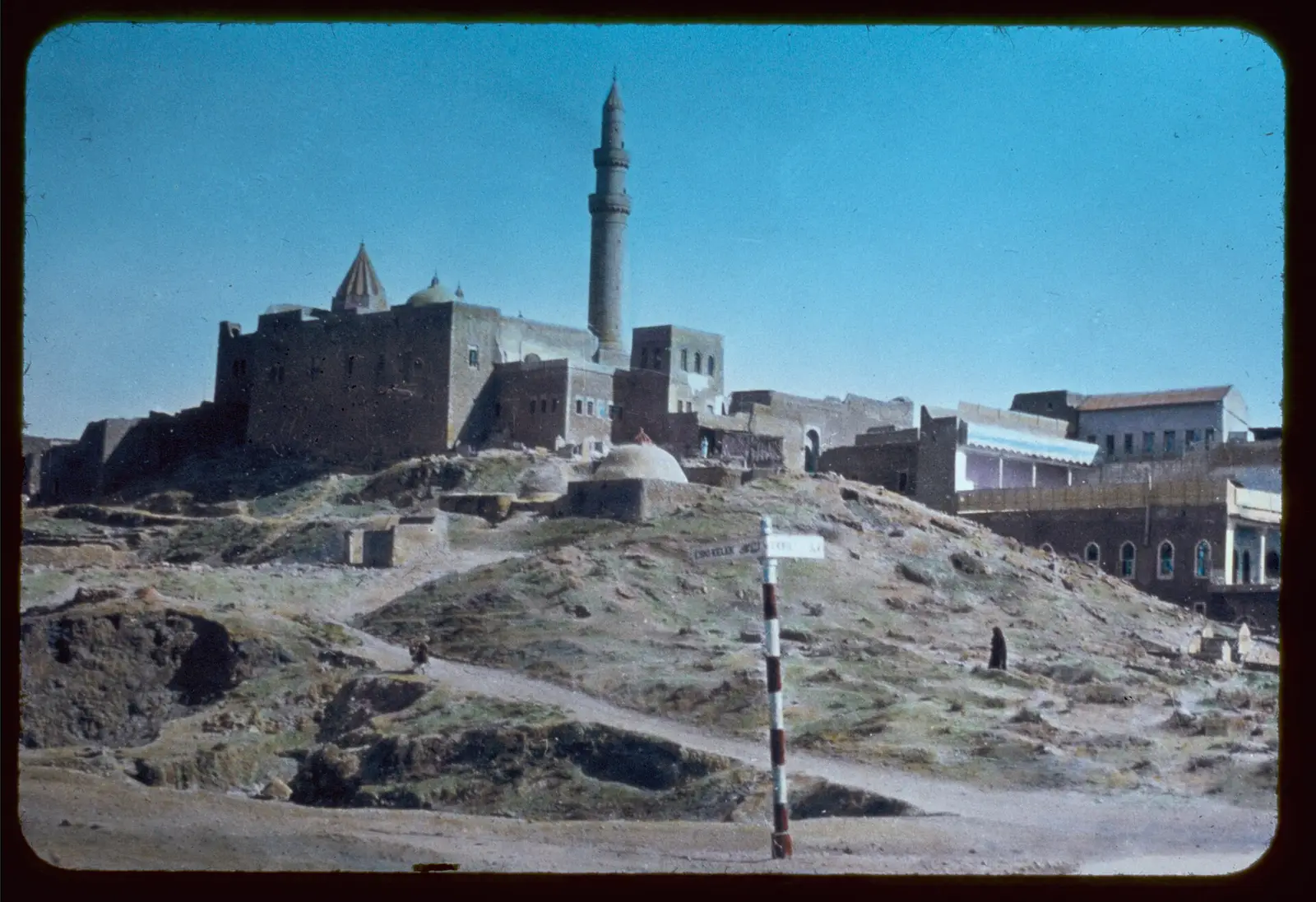
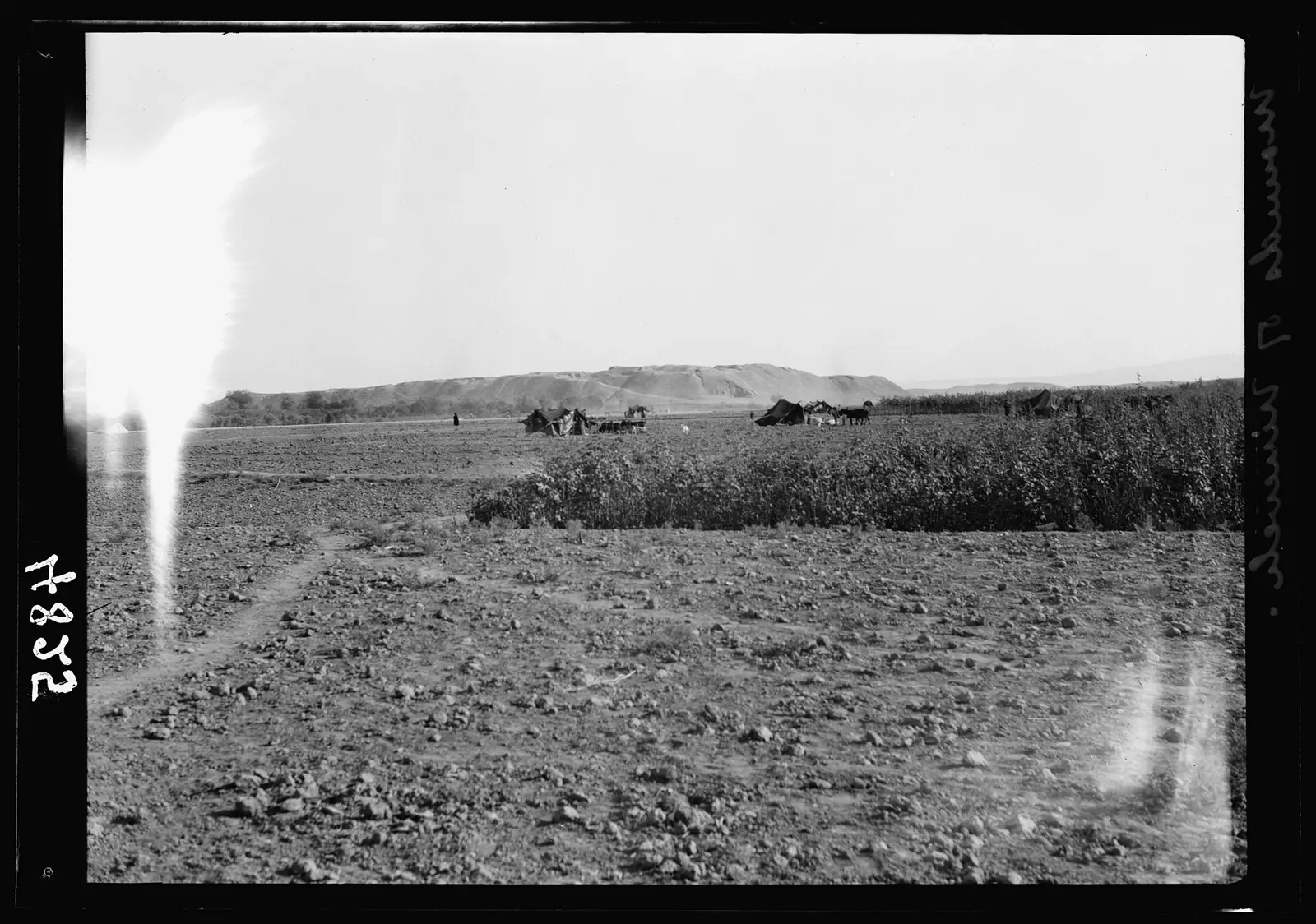
Photo credits
- The mound of Nebi Yunus in Mosul with the mosque and minaret over the tomb tradition ascribes to Jonah – on the site of ancient Nineveh (Matson Collection colour slide). Back then · c. 1950–1977 · G. Eric and Edith Matson Photograph Collection, Library of Congress, Prints & Photographs Division, LC-DIG-matpc-23039 · Public Domain · Source
- The ruin mounds of Nineveh seen from a distance, a field in front – Nineveh was the great city to which Jonah was sent (Jonah 1:2). Back then · c. 1932 · G. Eric and Edith Matson Photograph Collection, Library of Congress, Prints & Photographs Division, LC-DIG-matpc-16223 · Public Domain · Source


Photos from Wikimedia Commons and the Matson Collection of the Library of Congress, resized. Tap a photo to enlarge it. Captions AI-assisted – How the texts are made
About the place
Assyria was an empire in northern Mesopotamia, in present-day Iraq, and for more than three centuries it was a feared power across the ancient Near East.1 Its heartland was a triangle between the Tigris and its tributary, the Upper Zab; later its rule stretched through northern Syria to the Mediterranean and over all Babylonia down to the Persian Gulf.1 Assyria already appears in the account of Eden, where the Tigris, called Hiddekel, flows along its east side (Genesis 2:14).1,2 In Israel’s history it is above all the power that ended the northern kingdom and laid siege to Jerusalem (2 Kings 17–19).1,2
What the name means
The name comes from the small city of Asshur on the west bank of the Tigris, where the sun god Asshur was worshipped.1 The Hebrew word goes back to Akkadian; English Bibles render it as Assyria, Assur or Asshur (Genesis 2:14; 10:11).1,2
Assyria and the northern kingdom of Israel
Under Tiglath-pileser, also called Pul in the Bible, Assyria took control of Syria and Palestine, and King Menahem of Israel paid him tribute (2 Kings 15:19–20; 1 Chronicles 5:26).1,2 Shalmaneser besieged Samaria for three years; the city fell in 722 BC, and the kingdom of Israel came to an end as its people were deported to Assyria (2 Kings 17:3–6; 18:9–11).1,2 In their place the Assyrians settled people from other parts of the empire, and their mixing with those who had stayed produced the Samaritans (2 Kings 17:24).1,2
Assyria and Judah
King Ahaz of Judah called on Tiglath-pileser for help against an alliance of his neighbours, and the Assyrian took Damascus (2 Kings 16:7–9).1,2 Under Hezekiah, Sennacherib marched against Judah and besieged Jerusalem in the days of the prophet Isaiah (2 Kings 18:13–19:37; Isaiah 36–37).1,2 During this threat the conduit was built that carried water from the Gihon spring into the city to the pool of Siloam (2 Kings 20:20).1,2
Excavations
At Calah, already named in Genesis 10:11 and known today as Nimrud, the Black Obelisk of Shalmaneser was found; it shows King Jehu of Israel, or perhaps his envoy, bowing to the ground before the Assyrian king and handing over silver and gold vessels.1,2 At Nineveh the library of Ashurbanipal was dug up, with clay tablets on history, astronomy, medicine and religion, among them a Babylonian creation account.1 It is now one of the treasures of the British Museum in London.1
The end of Assyria
After Ashurbanipal died in 626 BC, the empire quickly fell apart; in 612 BC Medes and Babylonians took Nineveh after a three-month siege, whose downfall the prophet Nahum had announced (Nahum 1:8).1,2 When Pharaoh Neco marched to help the Assyrians, King Josiah of Judah went out against him at Megiddo and was killed (2 Kings 23:29).1,2 In 605 BC Nebuchadnezzar defeated Neco’s army at Carchemish on the Euphrates, and Assyria passed from history (Jeremiah 46:2).1,2
Assyria in the Bible
Assyria appears in 54 sections across 15 books of the Bible – first in Genesis 2:14, last in Zechariah 10:10. Most often in Isaiah (16), Hosea (8) and 2 Kings (7).
Genesis
2 Kings
mentioned: 15:19–20; 15:29; 16:7–10; 16:18; 17:3–6; 17:23–24; 17:26–27; 18:7; 18:9; 18:11; 18:13–14; 18:16–17; 18:19; 18:23; 18:28; 18:30–31; 18:33; 19:4; 19:6; 19:8; 19:10–11; 19:17; 19:20; 19:32; 19:35–37; 20:6; 23:29
1 Chronicles
mentioned: 5:6; 5:26
2 Chronicles
mentioned: 28:16; 28:20–21; 30:6; 32:1; 32:4; 32:7; 32:9–11; 32:13; 32:21–22; 33:11
Ezra
Nehemiah
mentioned: 9:32
Isaiah
mentioned: 7:17–18; 7:20; 8:4; 8:7; 10:5–7; 10:12; 10:16–18; 10:24; 10:28; 10:33; 11:11; 11:16; 14:25; 19:23–25; 20:1; 20:4; 20:6; 23:13; 27:13; 30:31; 31:8; 33:4; 36:1–2; 36:4; 36:8; 36:13; 36:15–16; 36:18; 37:4; 37:6; 37:8; 37:10–11; 37:18; 37:21; 37:33; 37:37–38; 38:6; 52:4
Jeremiah
mentioned: 2:18; 2:36; 50:17–18
Lamentations
mentioned: 5:6
Ezekiel
mentioned: 23:5; 23:7; 31:3; 31:15; 32:22
Hosea
mentioned: 5:13; 7:11; 8:9; 9:3; 9:6; 10:6; 11:5; 11:11; 12:1; 14:3
Micah
Nahum
Zephaniah
mentioned: 2:13
Zechariah
mentioned: 10:10–11
Often mentioned together
References
- Tyndale Open Bible Dictionary – Article “Assyria, Assyrians” · tyndaleopenresources.com
- Bible text: Genesis 2:14; Genesis 10:11; 2 Kings 15:19–20; 1 Chronicles 5:26; 2 Kings 16:7–9; 2 Kings 17:3–6; 2 Kings 17:24; 2 Kings 18:9–11; 2 Kings 18:13–19:37; Isaiah 36:1–37:38; 2 Kings 20:20; 2 Kings 23:29; Nahum 1:8; Jeremiah 46:2