Babylon
- Today
- ruins near Hillah (Iraq)
- Location
- securely identified (confidence 1000 of 1000)
- Meaning of the name
- “confusion” (after Genesis 11:9)
- Elevation
- 40 m above sea level
- Coordinates
- 32.543° N, 44.422° E
When the place appears in the Bible
Map
Base map: Natural Earth (public domain), places after OpenBible.info (CC BY 4.0), © OpenStreetMap (ODbL) · All sources and licences
Notes and sources for this map
Location after OpenBible.info
Pictures
Back then: photographs from around 1900–1940 (Matson Collection), before modern development
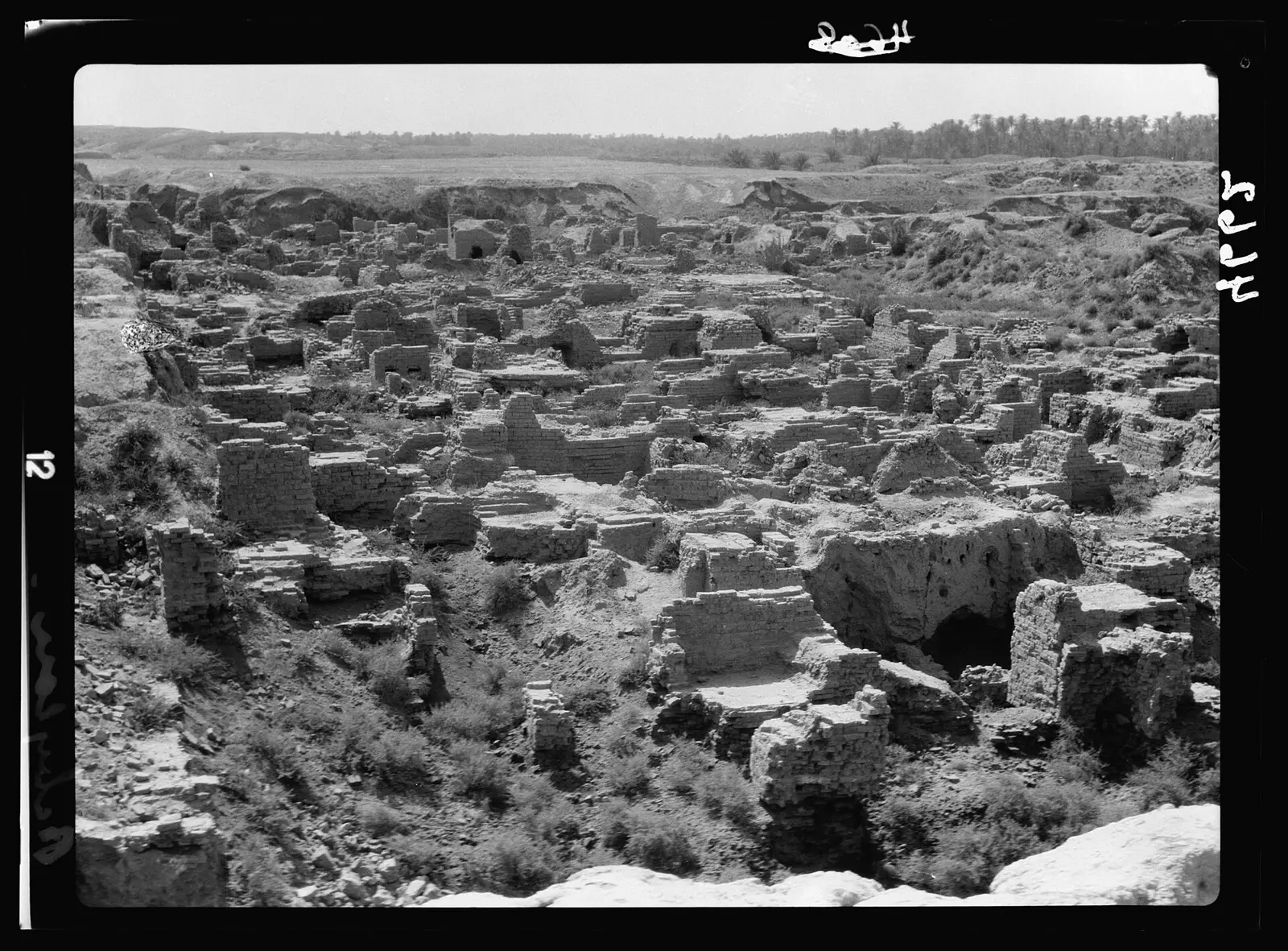
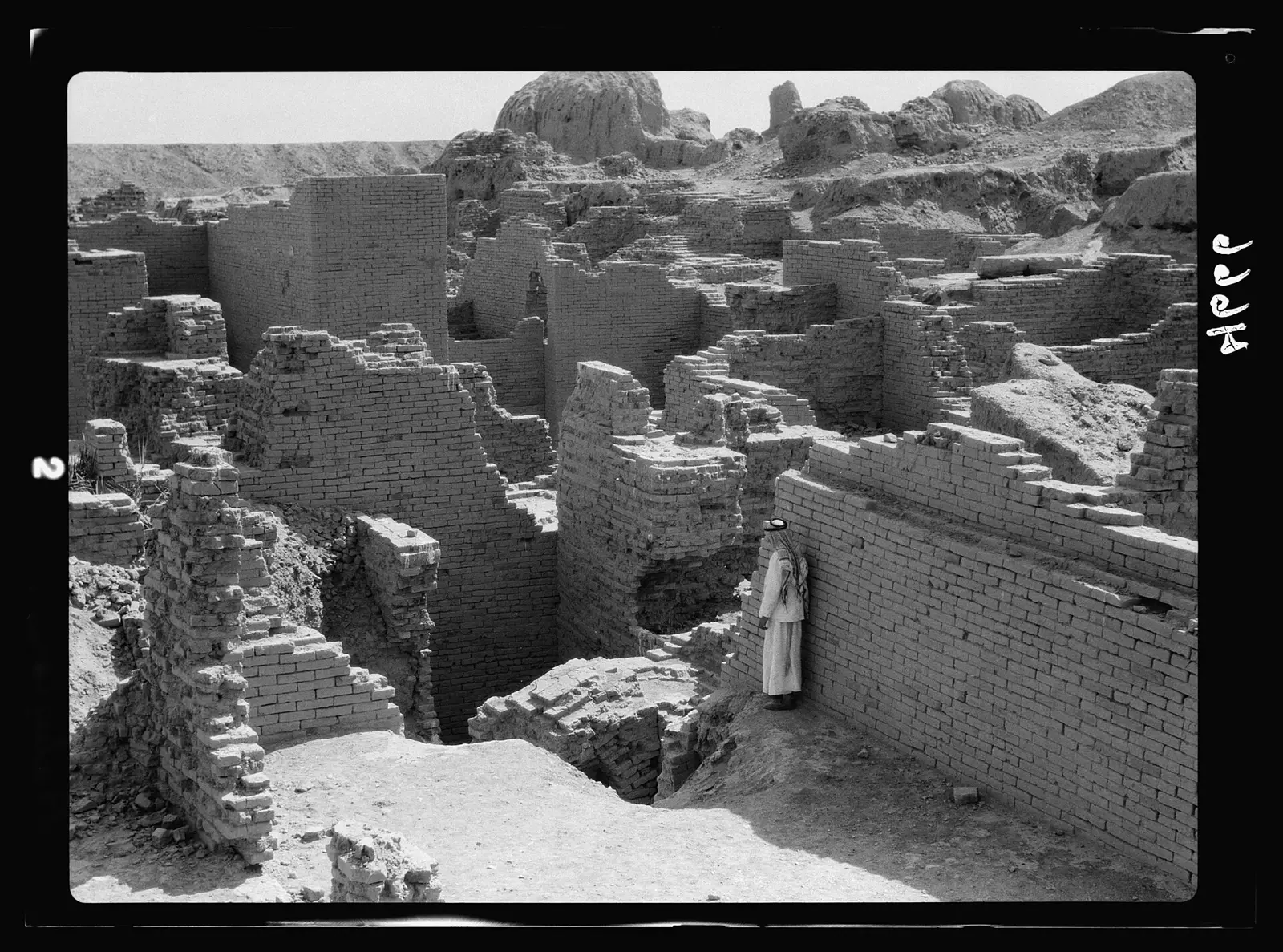
Photo credits
- Ruins of Babylon, 1932 – remains of Nebuchadnezzar’s capital, where Judah was taken into exile. Back then · c. 1932 · G. Eric and Edith Matson Photograph Collection, Library of Congress, Prints & Photographs Division, LC-DIG-matpc-16069 · Public Domain · Source
- Ruins of Babylon’s palaces, 1932. Back then · c. 1932 · G. Eric and Edith Matson Photograph Collection, Library of Congress, Prints & Photographs Division, LC-DIG-matpc-16073 · Public Domain · Source
Photos from Wikimedia Commons and the Matson Collection of the Library of Congress, resized. Tap a photo to enlarge it. Captions AI-assisted – How the texts are made
Finds from here
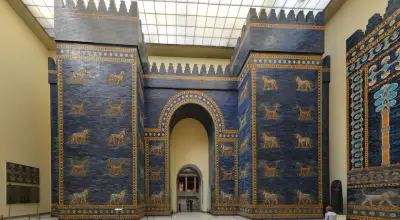
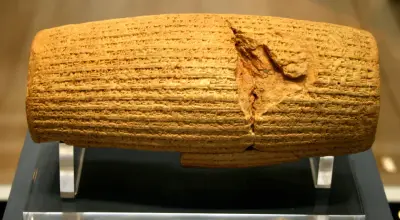


About the place
Babylon lay on the Euphrates in southern Mesopotamia, in present-day Iraq, and was the capital of the Babylonian kingdom; its name Bab-ilu means “gate of god”.1 Under Nebuchadnezzar Babylon ruled the whole Near East, destroyed Jerusalem in 586 BC and took part of its people into exile (2 Kings 25:1–21).1,2 In 539 BC the city passed to the Persian Cyrus, and with it independent Babylonia came to an end (Daniel 5:30–31).1,2
What the name means
Babylon, Bab-ilu in Akkadian, means “gate of god”.1 Politically, Babylonia refers to the kingdoms ruled from this capital, above all those of the seventh and sixth centuries BC; geographically it is the region in what is now southeastern Iraq.1
Where Babylon was
The land is shaped by the Euphrates and the Tigris, which rise in the mountains of present-day Turkey, come close near Baghdad and flow together into the Persian Gulf.1 Babylonia’s cities stood not on the fertile plain between the rivers but on the banks of the Euphrates and its side channels.1 By the rivers of Babylon the exiles from Judah sat and wept as they remembered Zion (Psalm 137:1).2
Babylon before the exile
Hammurabi, sixth king of Babylon’s first dynasty (1792–1750 BC), grew the small kingdom into an empire, which shrank again under his son.1 From the ninth century BC Babylonia came under Assyrian sway, and Assyrian kings also had themselves proclaimed kings of Babylon; under one of them, Shalmaneser, the siege of Samaria began (2 Kings 17:1–6).1,2 Merodach-baladan, who had risen against Assyria, sent envoys to Hezekiah, and Isaiah foretold that Hezekiah’s treasures and descendants would be carried to Babylon (2 Kings 20:12–18).1,2
Babylon in the Old Testament
Nabopolassar brought down the Assyrian empire with help from the Medes, and under his son Nebuchadnezzar (604–562 BC) Babylon ruled the whole Near East.1 Nebuchadnezzar ended the kingdom of Judah, destroyed Jerusalem in 586 BC and deported part of its people, and under him Babylon became a city of splendour (2 Kings 25:1–21; Daniel 1:1).1,2 The second half of Jeremiah mentions Babylon as often as all the rest of the Bible, and Ezra and Nehemiah tell of the return from exile (Ezra 1:1–4).1,2
The end of Babylon
Nabonidus, the last king (555–539 BC), stayed in Arabia for long periods and left Belshazzar in charge of Babylon, which is why the book of Daniel calls him king (Daniel 5:1).1,2 In October 539 BC the Babylonian army went over to Cyrus and the city surrendered without a battle, ending the Chaldean dynasty (Daniel 5:30–31).1,2
Babylon in the Bible
Babylon appears in 77 sections across 16 books of the Bible – first in Genesis 10:10, last in Acts 7:43. Most often in Jeremiah (25), Ezekiel (11) and Isaiah (9).
Genesis
- Genesis 11:1–9 The Tower of Babel
mentioned: 10:10
2 Kings
- 2 Kings 25:22–30 Gedaliah and Jehoiachin’s Release
mentioned: 17:24; 17:30; 20:12; 20:14; 20:17–18; 24:1; 24:7; 24:10–12; 24:15–17; 24:20; 25:1; 25:6–8; 25:11; 25:13; 25:20–21
1 Chronicles
mentioned: 9:1
2 Chronicles
- 2 Chronicles 36:1–21 The Fall of Jerusalem
Ezra
- Ezra 7:1–28 Ezra Comes to Jerusalem
mentioned: 2:1; 4:9; 4:12; 5:12–14; 5:17; 6:5
Nehemiah
Esther
mentioned: 2:6
Psalms
- Psalms 137:1–9 By the Rivers of Babylon
mentioned: 87:4
Isaiah
mentioned: 13:1–2; 13:14; 13:17; 13:19–20; 13:22; 14:4; 14:22–23; 21:1–2; 21:9; 23:13; 39:1; 39:3; 39:6–7; 43:14; 46:1; 47:1; 47:6; 48:14; 48:20
Jeremiah
- Jeremiah 51:59–64 The Scroll in the Euphrates
mentioned: 20:4–6; 21:2; 21:4; 21:7; 21:10; 22:25; 24:1; 25:1; 25:9; 25:11–12; 25:14; 27:6–9; 27:11–14; 27:16–18; 27:20; 27:22; 28:2–4; 28:6; 28:11; 28:14; 29:1; 29:3–4; 29:8; 29:10; 29:15–16; 29:20–22; 29:24; 29:28; 29:31; 32:2–5; 32:28; 32:36; 34:1–3; 34:7; 34:21; 35:11; 36:29; 37:1; 37:17; 37:19; 38:3; 38:17–18; 38:22–23; 39:1; 39:3; 39:5–7; 39:9; 39:11; 39:13; 40:1; 40:4–5; 40:7; 40:9; 40:11; 41:2; 41:18; 42:11; 43:3; 43:10; 44:30; 46:2; 46:13; 46:18; 46:26; 49:28; 49:30–31; 50:1–3; 50:8–10; 50:13–14; 50:16–18; 50:23–24; 50:27–29; 50:32; 50:34–35; 50:39; 50:42–46; 51:1–2; 51:6–9; 51:11–13; 51:20; 51:24–25; 51:29–31; 51:33–35; 51:37; 51:41–42; 51:44–45; 51:47–49; 51:52–56; 51:58; 52:3–4; 52:9–12; 52:15; 52:17; 52:26–28; 52:31–34
Ezekiel
mentioned: 1:1; 12:13; 14:22; 17:12; 17:14–17; 17:20; 19:9; 21:19; 21:21; 21:23; 24:2; 24:26; 26:7; 29:18–19; 30:10; 30:24–25; 32:11
Daniel
- Daniel 1:1–21 Daniel at the Court of Babylon
- Daniel 2:1–49 Nebuchadnezzar’s Dream of the Statue
- Daniel 4:1–37 The Dream of the Great Tree
- Daniel 5:1–30 The Writing on the Wall
- Daniel 5:31–6:28 Daniel in the Lions’ Den
mentioned: 3:1; 3:12; 3:30; 7:1
Micah
mentioned: 4:10
Zechariah
Matthew
mentioned: 1:11–12; 1:17
Acts
mentioned: 7:43
Places nearby
Often mentioned together
Events at this place
References
- Tyndale Open Bible Dictionary – Article “Babylon, Babylonia” · tyndaleopenresources.com
- Bible text: 2 Kings 17:1–6; 2 Kings 20:12–18; 2 Kings 25:1–21; Psalms 137:1; Daniel 1:1; Daniel 5:1; Daniel 5:30–31; Ezra 1:1–4