Jericho
- Today
- Tell es-Sultan near Jericho
- Location
- securely identified (confidence 1000 of 1000)
- Elevation
- 170 m below sea level
- Coordinates
- 31.872° N, 35.445° E
When the place appears in the Bible
Map
Base map: Natural Earth (public domain), places after OpenBible.info (CC BY 4.0), © OpenStreetMap (ODbL) · All sources and licences
Notes and sources for this map
Location after OpenBible.info
Pictures
Today: the place and its landscape as they look today · Excavation: remains from biblical times that have survived or been excavated · Back then: photographs from around 1900–1940 (Matson Collection), before modern development
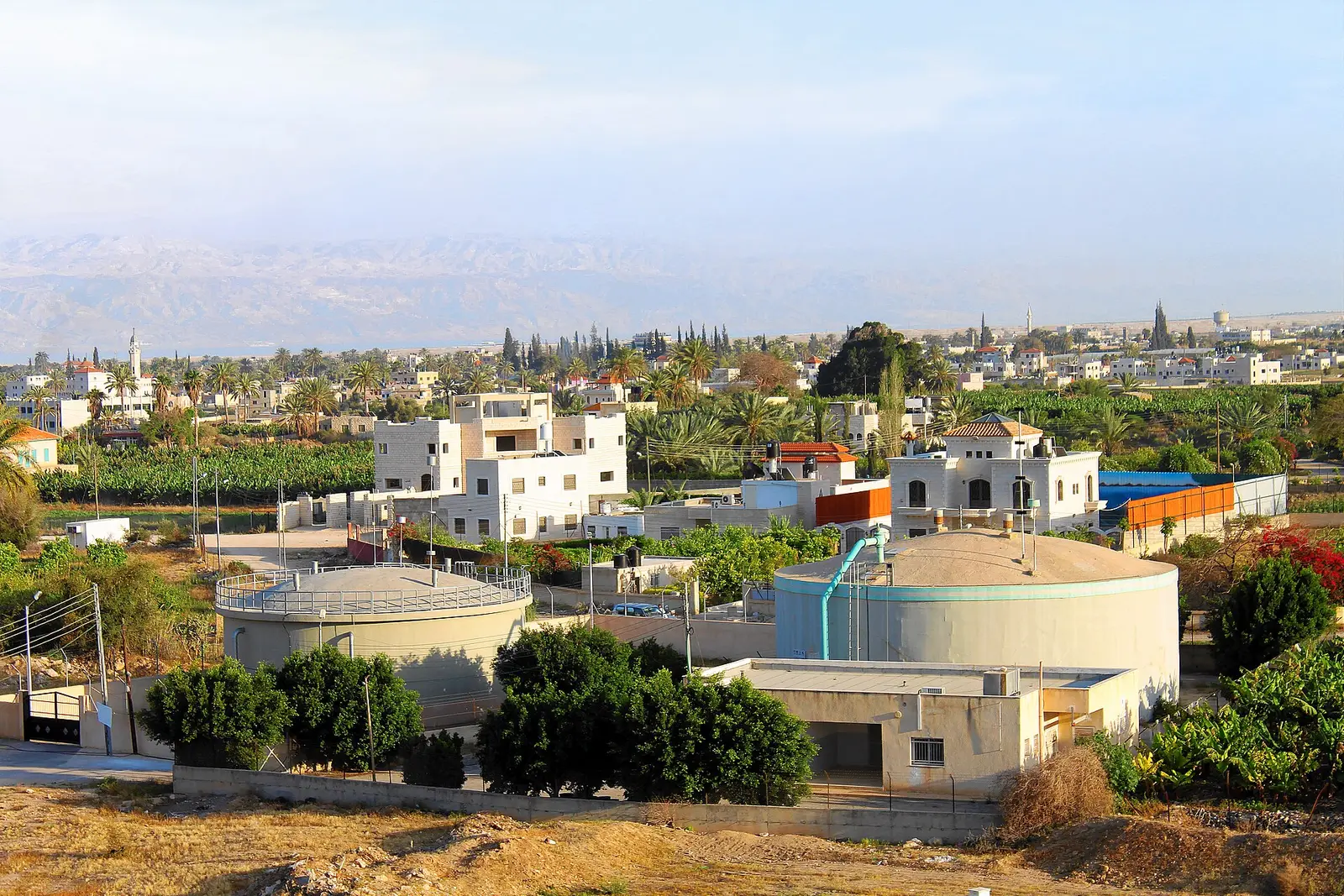 Today
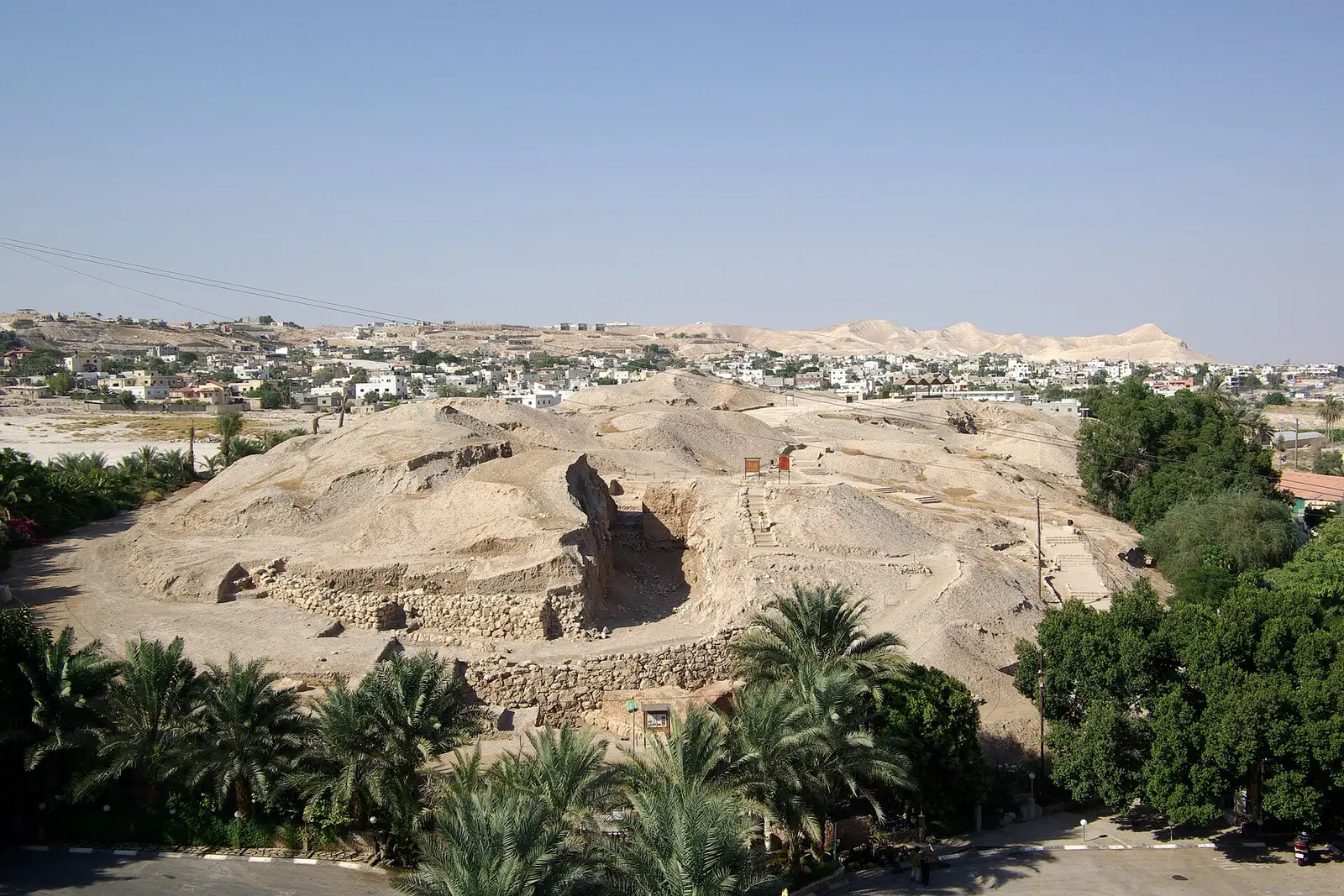 Excavation · 2010
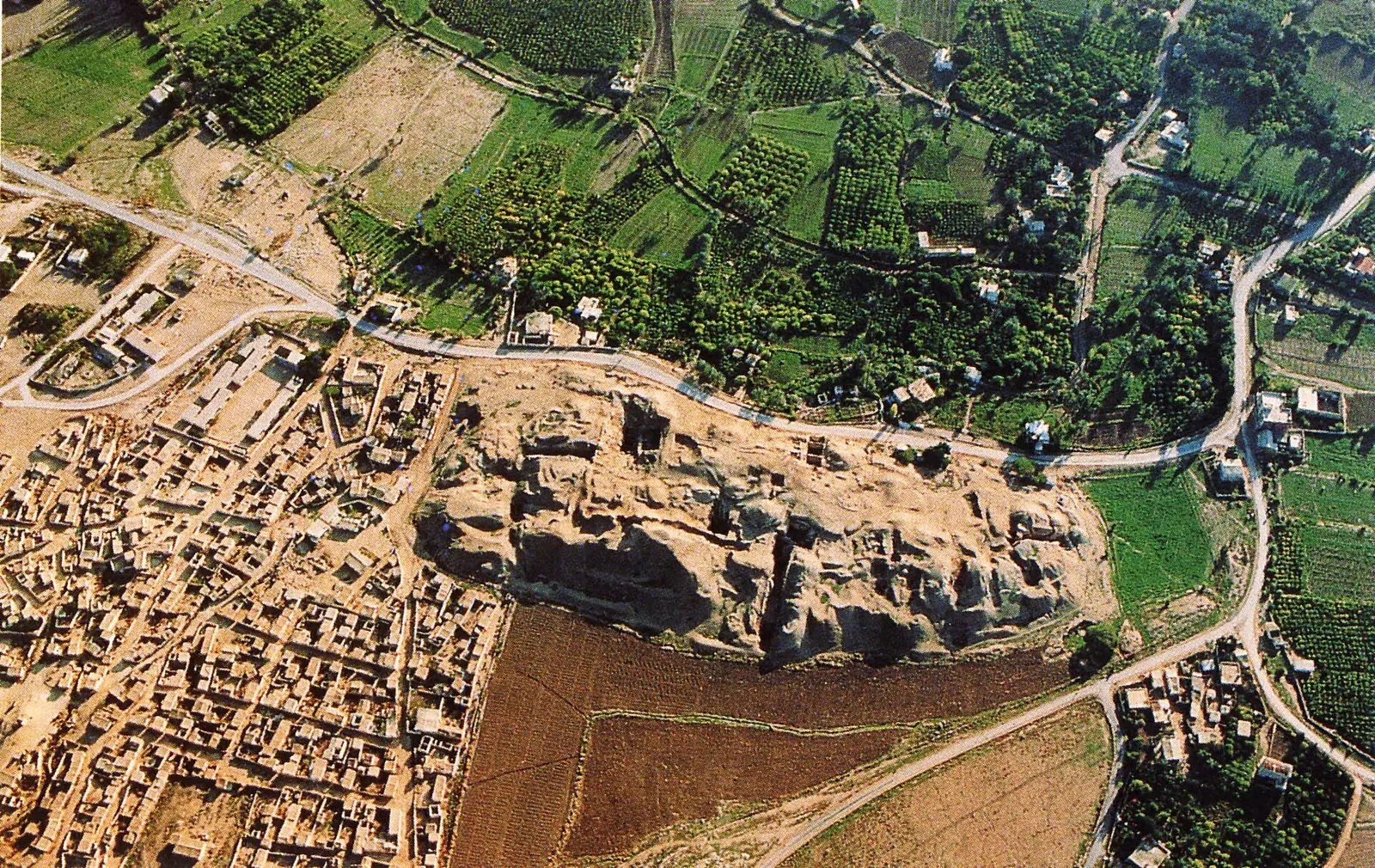 Excavation · 2008
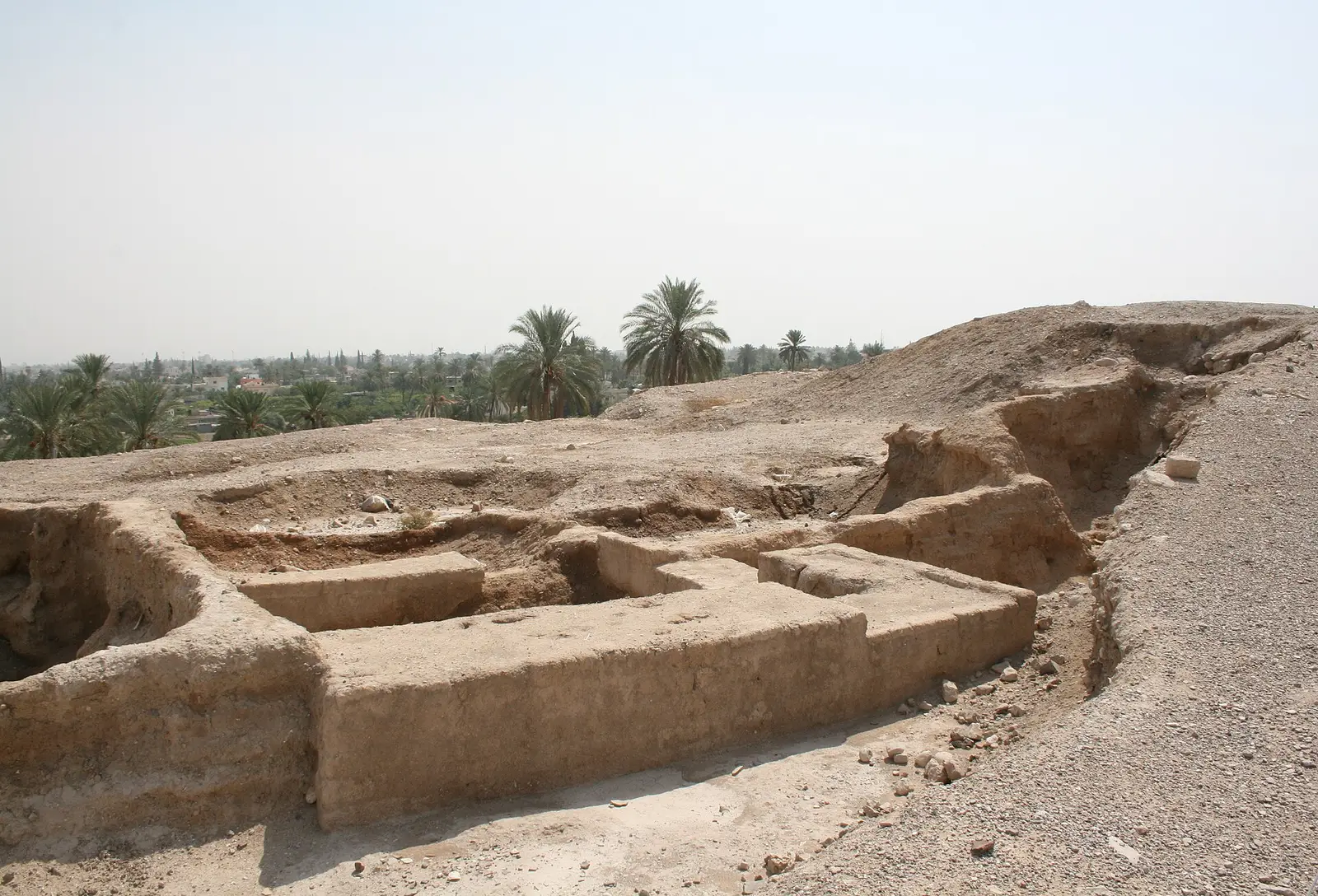 Excavation · 2011
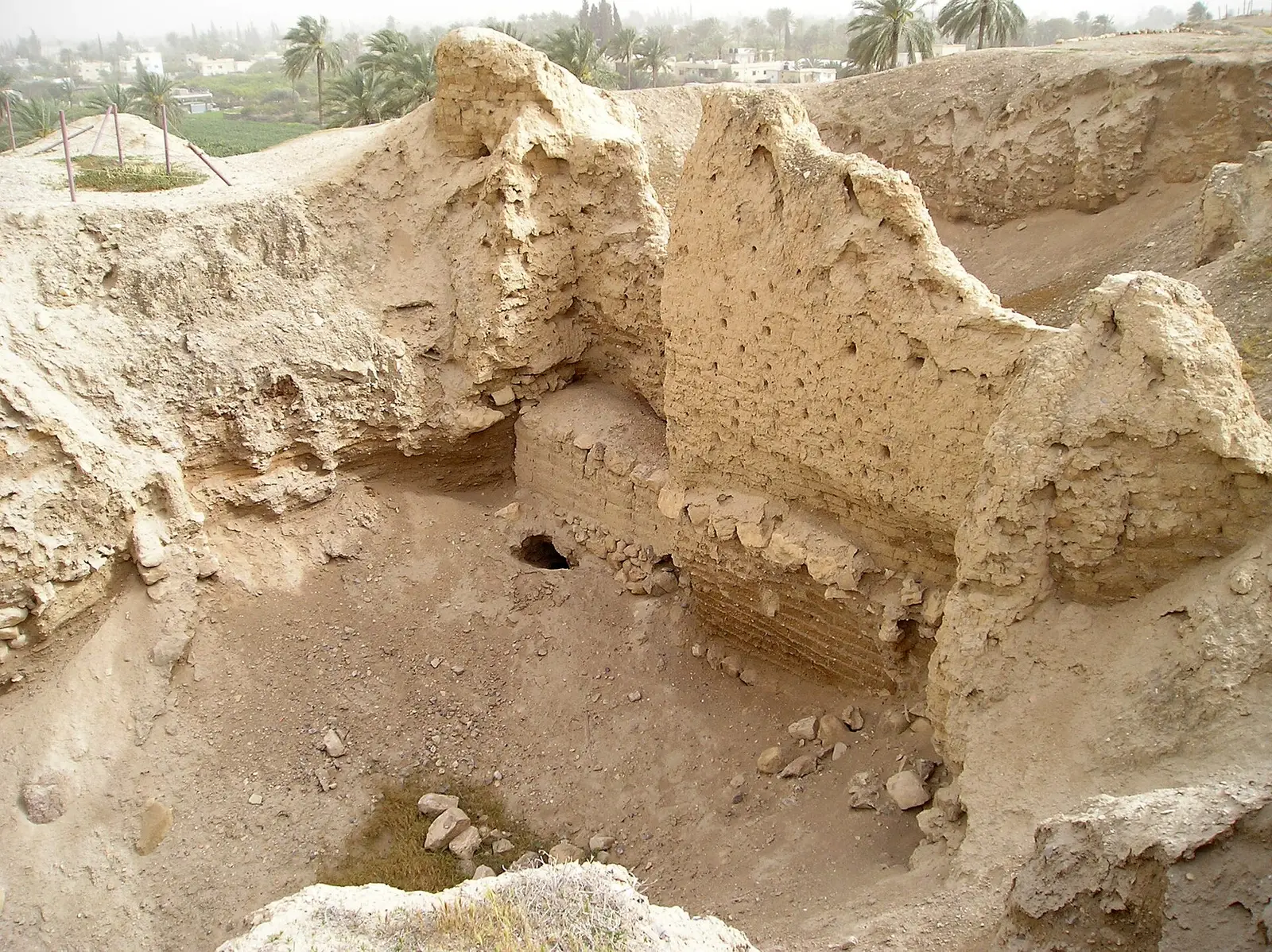 Excavation · 2006
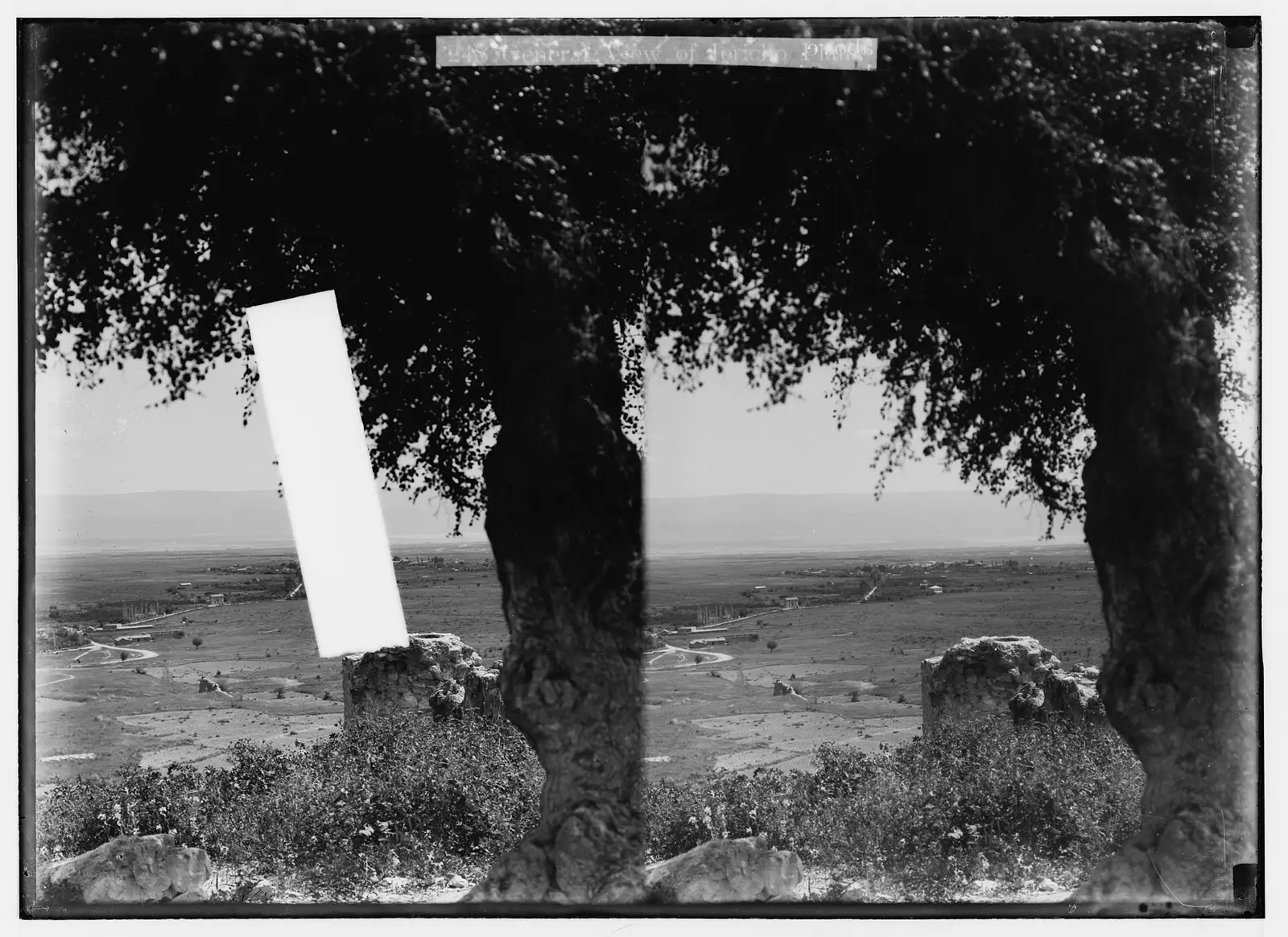 Back then · c. 1900
 Back then · c. 1934–1939
Photo credits
- Jericho today – the oasis in the Jordan valley. Today · Janusz J. · CC BY-SA 3.0 · Source
- Tell es-Sultan – the mound of ancient Jericho. Excavation · 2010 · Berthold Werner · Public Domain · Source
- Tell es-Sultan from the air – the excavation site of ancient Jericho. Excavation · 2008 · Fullo88 at Italian Wikipedia · Public Domain · Source
- Excavations on Tell es-Sultan, ancient Jericho. Excavation · 2011 · Diego Delso · CC BY-SA 3.0 · Source
- Kathleen Kenyon’s north trench (1952–1956) on Tell es-Sultan in Jericho. Excavation · 2006 · Original uploader was Abraham at pl.wikipedia · CC BY-SA 3.0 · Source
- The plain of Jericho, around 1900. Back then · c. 1900 · G. Eric and Edith Matson Photograph Collection, Library of Congress, Prints & Photographs Division, LC-DIG-matpc-01011 · Public Domain · Source
- Nebi Musa near Jericho from a distance, 1930s – by Islamic tradition the tomb of Moses. Back then · c. 1934–1939 · G. Eric and Edith Matson Photograph Collection, Library of Congress, Prints & Photographs Division, LC-DIG-matpc-17820 · Public Domain · Source


Photos from Wikimedia Commons and the Matson Collection of the Library of Congress, resized. Tap a photo to enlarge it. Captions AI-assisted – How the texts are made
About the place
Jericho lies in the broad plain of the Jordan, about 16 kilometres northwest of the Dead Sea and far below sea level – which is why, in the parable of the good Samaritan, one goes “down” from Jerusalem to Jericho (Luke 10:30).1,2 A strong spring, a mild winter climate and its position at a ford of the Jordan made it one of the oldest towns in the world, with remains going back some 10,000 years.1 The Bible also calls it “the city of palm trees” (Deuteronomy 34:3).1,2 Jericho is best known as the first town Israel took after crossing the Jordan, when its walls fell (Joshua 6).1,2
What the name means
The name may be linked to the old Canaanite moon god, since the Hebrew words for moon, month and new moon sound much like Jericho.1 Others connect it with the word for smell and think of the fragrant fruit and spices grown in the oasis.1 Now and then the town is also called the city of palm trees (Deuteronomy 34:3; 2 Chronicles 28:15).1,2
Jericho in the Old Testament
From the plains of Moab Joshua sent spies to Jericho; Rahab the prostitute hid them and was spared with her family (Numbers 22:1; Joshua 2; 6:25).1,2 For six days the people circled the town once, on the seventh day seven times; then, at the sound of the priests’ trumpets and the people’s great shout, the wall fell down (Joshua 6).1,2 Joshua put a curse on anyone who would rebuild Jericho, and in King Ahab’s time it struck Hiel of Bethel and two of his sons (Joshua 6:26; 1 Kings 16:34).1,2
Jericho after the conquest
Jericho belonged to Benjamin and lay on the border with Ephraim (Joshua 16:7; 18:21).1,2 David had his humiliated envoys wait in Jericho until their beards grew back, and in Elisha’s day a group of prophets lived there (2 Samuel 10:5; 2 Kings 2:5).1,2 In the plains of Jericho the Chaldeans caught up with the fleeing King Zedekiah in 586 BC, and after the exile men from Jericho helped rebuild the wall of Jerusalem (2 Kings 25:5; Nehemiah 3:2).1,2
Jericho in the New Testament
The Jericho of Jesus’ day had been rebuilt by Herod more than one and a half kilometres south of the old town, where the Wadi Qilt opens into the plain.1 This helps to fit together the accounts of blind men being healed: Jesus was leaving old Jericho and approaching the new one (Matthew 20:29; Mark 10:46; Luke 18:35).1,2 Passing through Jericho, Jesus stayed with Zacchaeus, the town’s wealthy chief tax collector (Luke 19:1–10).1,2
Jericho today
The town’s strong spring is now called Elisha’s Fountain, after the story in which Elisha made the city’s bad water wholesome (2 Kings 2:18–22).1,2 Today’s town covers both the ancient and the Herodian sites and has recently grown into one of the larger towns of the West Bank.1
Jericho in the Bible
Jericho appears in 41 sections across 13 books of the Bible – first in Numbers 22:1, last in Hebrews 11:30. Most often in Joshua (16), Numbers (7) and 2 Kings (3).
Numbers
mentioned: 22:1; 26:3; 26:63; 31:12; 33:48; 33:50; 34:15; 35:1; 36:13
Deuteronomy
mentioned: 32:49; 34:1; 34:3
Joshua
- Joshua 2:1–24 Rahab and the Spies
- Joshua 5:13–6:27 The Walls of Jericho
mentioned: 3:16; 4:13; 4:19; 5:10; 7:2; 8:2; 9:1; 9:3; 10:1; 10:28; 10:30; 12:9; 13:32; 16:1; 16:7; 18:12; 18:21; 20:8; 24:11
Judges
2 Samuel
mentioned: 10:5
1 Kings
mentioned: 16:34
2 Kings
- 2 Kings 2:1–18 Elijah Taken Up
- 2 Kings 2:19–25 Elisha at Jericho and Bethel
mentioned: 25:5
1 Chronicles
2 Chronicles
mentioned: 28:15
Ezra
mentioned: 2:34
Nehemiah
Jeremiah
Hebrews
mentioned: 11:30
Places nearby
Often mentioned together
References
- Tyndale Open Bible Dictionary – Article “Jericho” · tyndaleopenresources.com
- Bible text: Luke 10:30; Deuteronomy 34:3; 2 Chronicles 28:15; Numbers 22:1; Joshua 2:1–24; Joshua 6:1–27; Joshua 6:26; 1 Kings 16:34; Joshua 16:7; Joshua 18:21; 2 Samuel 10:5; 2 Kings 2:5; 2 Kings 2:18–22; 2 Kings 25:5; Nehemiah 3:2; Matthew 20:29; Mark 10:46; Luke 18:35; Luke 19:1–10