Tyre
- Today
- Tyre (Lebanon)
- Location
- securely identified (confidence 1000 of 1000)
- Meaning of the name
- “rock” (after Easton)
- Elevation
- 10 m above sea level
- Coordinates
- 33.271° N, 35.196° E
When the place appears in the Bible
Map
Base map: Natural Earth (public domain), places after OpenBible.info (CC BY 4.0), © OpenStreetMap (ODbL) · All sources and licences
Notes and sources for this map
Location after OpenBible.info
Pictures
Excavation: remains from biblical times that have survived or been excavated · Back then: photographs from around 1900–1940 (Matson Collection), before modern development
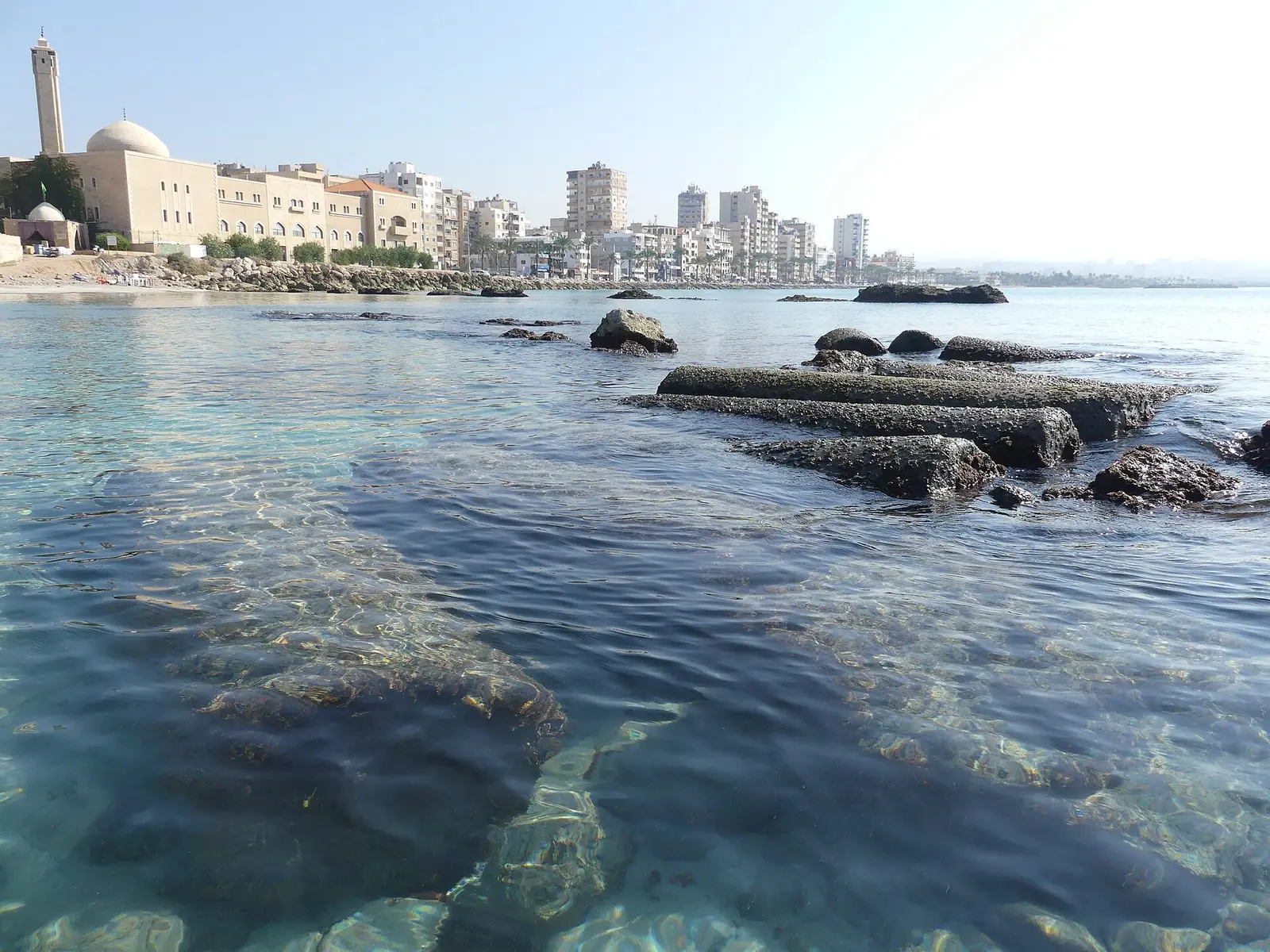
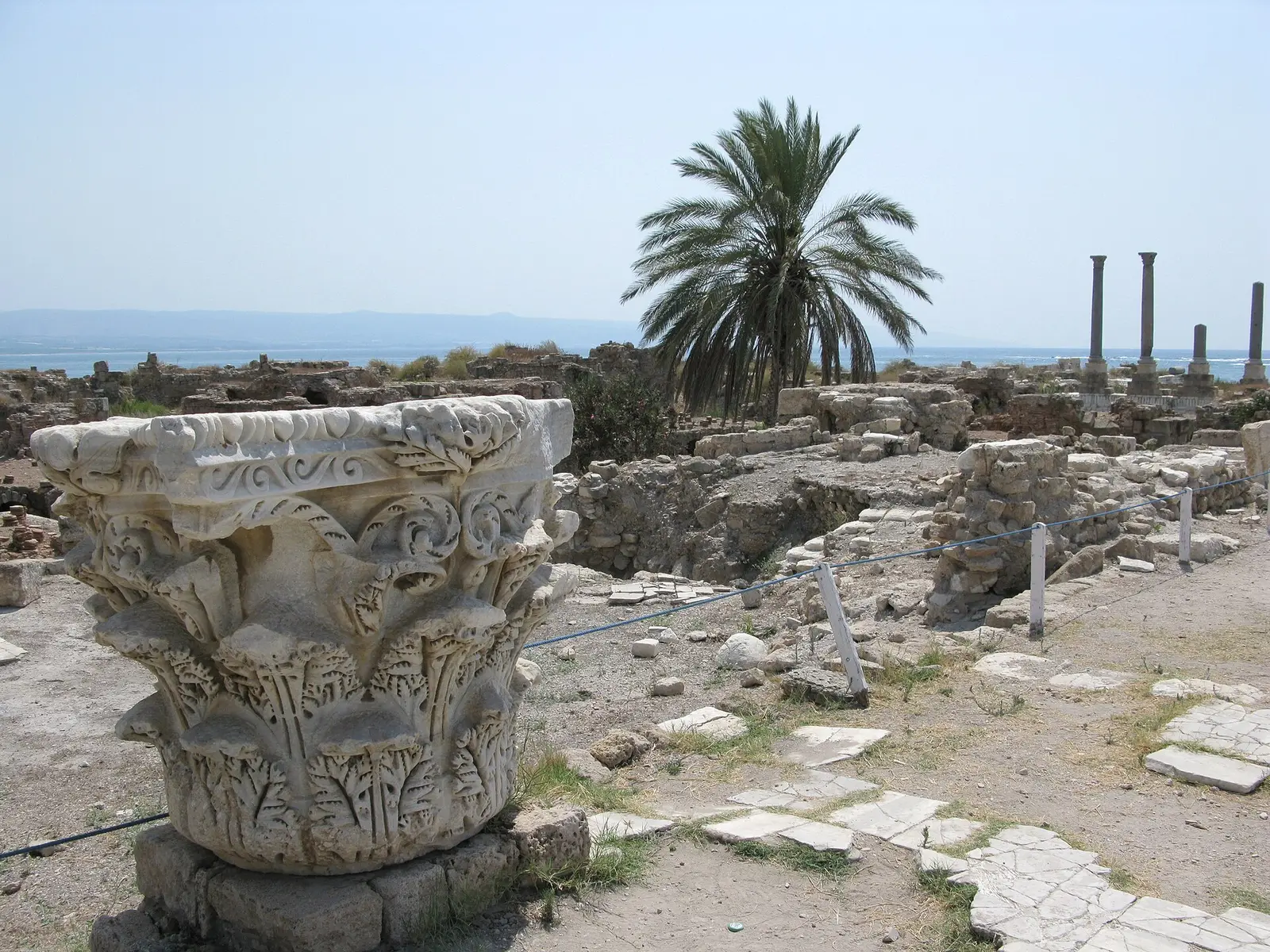

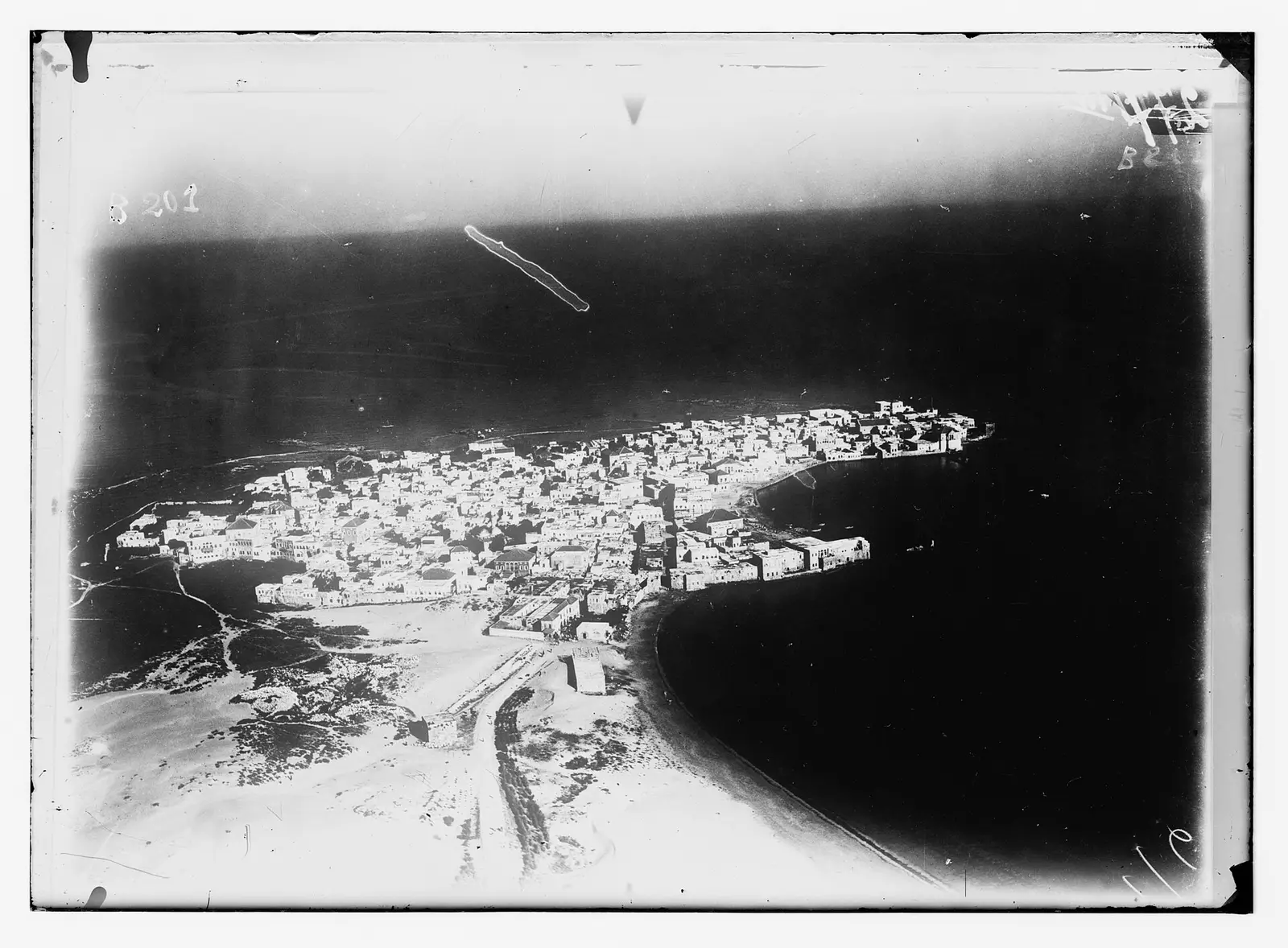
Photo credits
- Ancient columns in the submerged harbour of Tyre, the modern city behind. Excavation · 2019 · RomanDeckert · CC BY-SA 4.0 · Source
- Colonnaded street at the Al Mina site in Tyre – Roman and Byzantine. Excavation · 2008 · Vyacheslav Argenberg · CC BY 4.0 · Source
- Tyre on the coast, around 1900. Back then · c. 1900 · G. Eric and Edith Matson Photograph Collection, Library of Congress, Prints & Photographs Division, LC-DIG-matpc-01192 · Public Domain · Source
- Tyre with its peninsula from the air – once an island joined to the mainland by Alexander the Great. Back then · c. 1900 · G. Eric and Edith Matson Photograph Collection, Library of Congress, Prints & Photographs Division, LC-DIG-matpc-05601 · Public Domain · Source


Photos from Wikimedia Commons and the Matson Collection of the Library of Congress, resized. Tap a photo to enlarge it. Captions AI-assisted – How the texts are made
About the place
Tyre was a Phoenician city-state on the Mediterranean coast, some 32 kilometres south of Sidon; it consisted of an older harbour town on the mainland and an island town just under a kilometre offshore, where most of its people lived.1 As a trading city Tyre had links across the whole Mediterranean and by land to Mesopotamia and Arabia.1 Hiram of Tyre supplied David and Solomon with timber and craftsmen; later the prophets pronounced severe judgment on the city (2 Samuel 5:11; 1 Kings 5:1–11; Ezekiel 26).1,2 Jesus came to the region of Tyre and there healed the daughter of a Syrophoenician woman (Mark 7:24–30).1,2
Where Tyre was
Tyre lay about 32 kilometres south of Sidon and 37 kilometres north of Acre; the island town stood some 800 metres off the coast.1 Herodotus dates the city’s founding to around 2700 BC, but it is first firmly attested in a text from Ugarit and an Egyptian source of the 15th century BC.1
Tyre and Israel
Tyre’s first appearance in the Bible is in the description of Asher’s border, which speaks of “the fortified city of Tyre”, and Israel apparently never conquered it (Joshua 19:29; 2 Samuel 24:7).1,2 David and Solomon obtained cedar, building materials and skilled workers from Hiram and paid with farm produce (2 Samuel 5:11; 1 Kings 5:1–11; 2 Chronicles 2:3–16).1,2 Jezebel, whom Ahab married, was a daughter of Ethbaal, ruler of the Sidonians, whom other sources call Ithobal of Tyre; later, under pressure from Assyria and Babylon, the alliance broke apart and Tyre became Israel’s enemy (1 Kings 16:31).1,2
Tyre in the prophets
Some of the prophets’ sharpest words of judgment are aimed at Tyre (Isaiah 23; Jeremiah 25:22; 27:1–11; Ezekiel 26:1–19; Joel 3:4–8; Amos 1:9–10).1,2 The city used its position between the rival powers of Assyria and Egypt to grow rich, exploited its neighbours and was also a centre of idol worship.1 Above all it was proud: in Ezekiel the ruler of Tyre says, “I am a god,” and claims a divine seat in the heart of the sea (Ezekiel 28:2).1,2
Siege and destruction
Nebuchadnezzar besieged Tyre for 13 years, from 587 to 574 BC; Ezekiel says his army received no wages for all that labour (Ezekiel 29:18).1,2 Alexander the Great took the city in 332 BC after besieging it for seven months, building a causeway out to the island as he did so.1 Tyre was not finally destroyed until AD 1291.1
Tyre in the New Testament
By New Testament times Tyre had risen again and matched or surpassed Jerusalem in population and trade.1 Jesus said of the Galilean towns that had rejected him despite his miracles that it would be more bearable for Tyre and Sidon at the judgment than for them (Luke 10:13–14).1,2 On his way to Jerusalem Paul landed at Tyre and stayed seven days with the disciples there (Acts 21:3–7).2
Tyre in the Bible
Tyre appears in 34 sections across 19 books of the Bible – first in Joshua 19:29, last in Acts 21:3. Most often in Ezekiel (4), 1 Kings (3) and Psalms (3).
Joshua
mentioned: 19:29
2 Samuel
1 Kings
mentioned: 5:1; 7:13–14; 9:11–12
1 Chronicles
2 Chronicles
mentioned: 2:3; 2:11; 2:14
Ezra
mentioned: 3:7
Nehemiah
mentioned: 13:16
Psalms
Isaiah
mentioned: 23:1; 23:3–5; 23:8; 23:10; 23:15; 23:17
Jeremiah
Ezekiel
mentioned: 26:2–5; 26:7; 26:15; 26:19; 27:2–3; 27:8; 27:32; 28:2; 28:12; 29:18; 29:20
Hosea
mentioned: 9:13
Joel
mentioned: 3:4
Amos
mentioned: 1:9–10
Zechariah
mentioned: 9:2–5
Matthew
- Matthew 15:21–28 The Canaanite Woman
mentioned: 11:21–22
Mark
- Mark 7:24–37 The Syrophoenician Woman and the Deaf Man
mentioned: 3:8
Luke
Acts
- Acts 21:1–16 Journey to Jerusalem
mentioned: 12:20
Places nearby
Often mentioned together
Events at this place
References
- Tyndale Open Bible Dictionary – Article “Tyre” · tyndaleopenresources.com
- Bible text: Joshua 19:29; 2 Samuel 24:7; 2 Samuel 5:11; 1 Kings 5:1–11; 2 Chronicles 2:3–16; 1 Kings 16:31; Isaiah 23:1–18; Jeremiah 25:22; Jeremiah 27:1–11; Ezekiel 26:1–19; Ezekiel 28:2; Ezekiel 29:18; Joel 3:4–8; Amos 1:9–10; Mark 7:24–30; Luke 10:13–14; Acts 21:3–7