Samaria
- Today
- Samaria (West Bank)
- Location
- securely identified (confidence 1000 of 1000)
- Meaning of the name
- “after Shemer, owner of the hill” (after 1 Kings 16:24)
- Elevation
- 430 m above sea level
- Coordinates
- 32.276° N, 35.195° E
When the place appears in the Bible
Map
Base map: Natural Earth (public domain), places after OpenBible.info (CC BY 4.0), © OpenStreetMap (ODbL) · All sources and licences
Notes and sources for this map
Location after OpenBible.info
Pictures
Today: the place and its landscape as they look today · Excavation: remains from biblical times that have survived or been excavated · Back then: photographs from around 1900–1940 (Matson Collection), before modern development
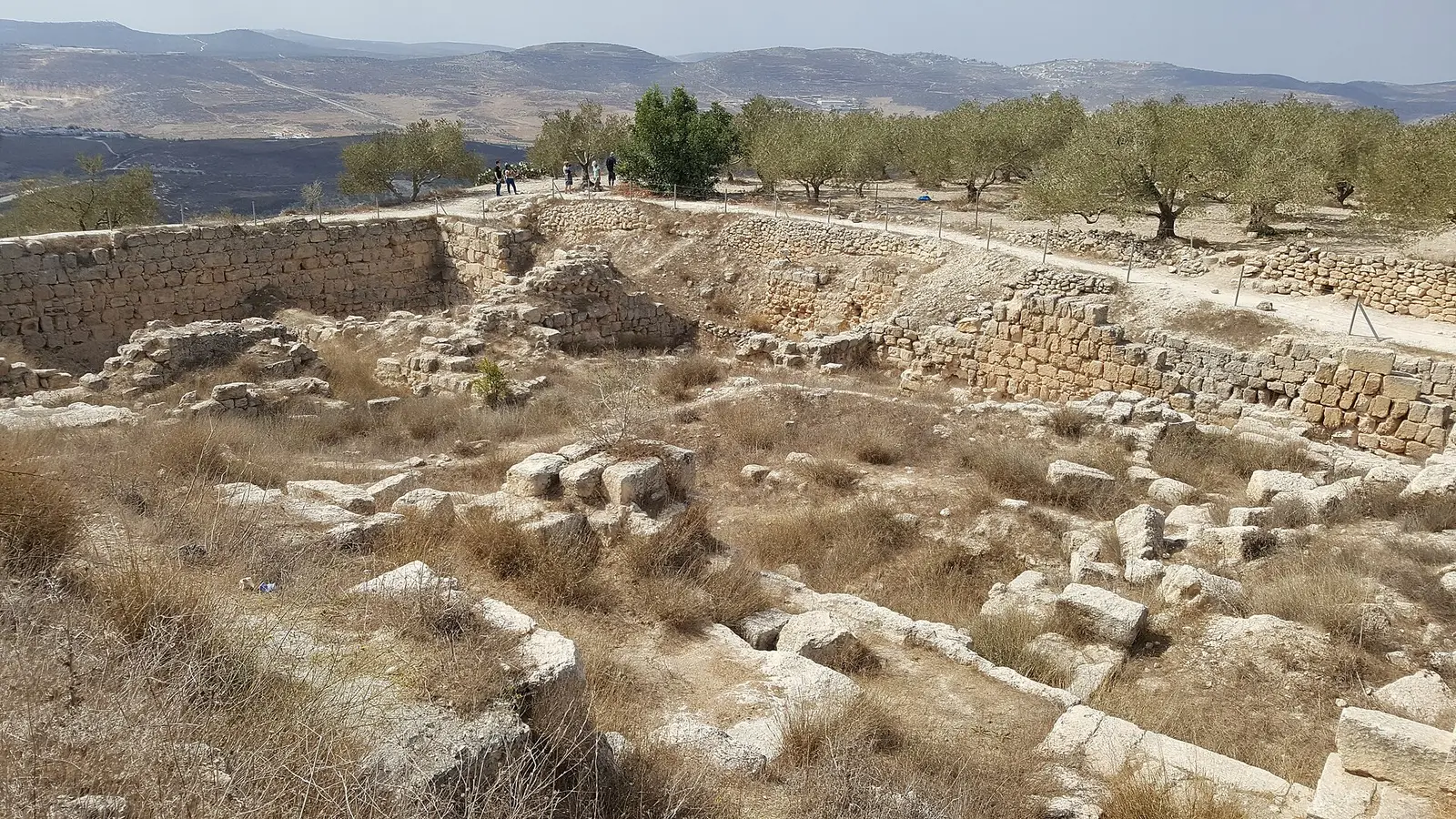 Today · 2016
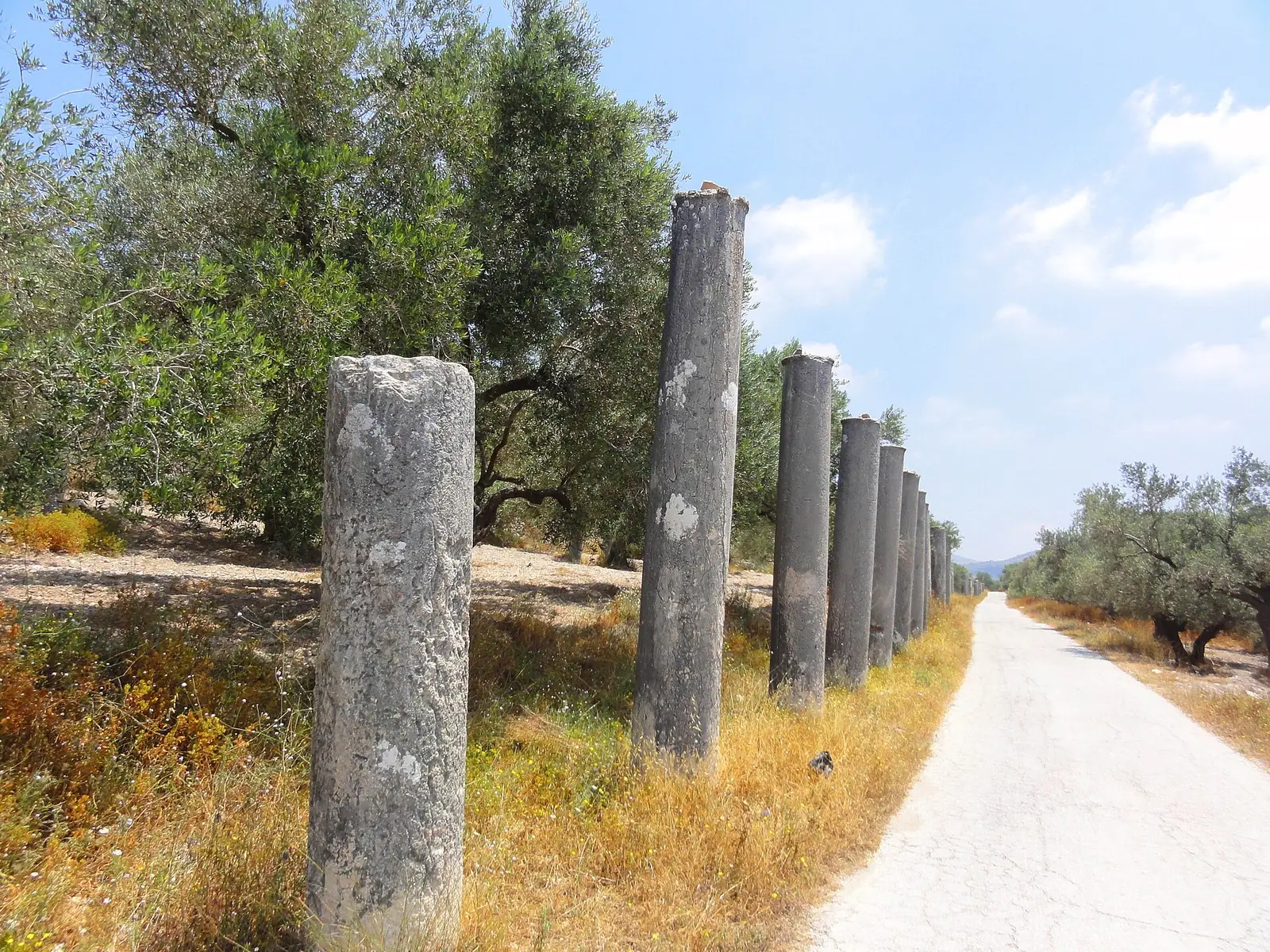 Excavation · 2011
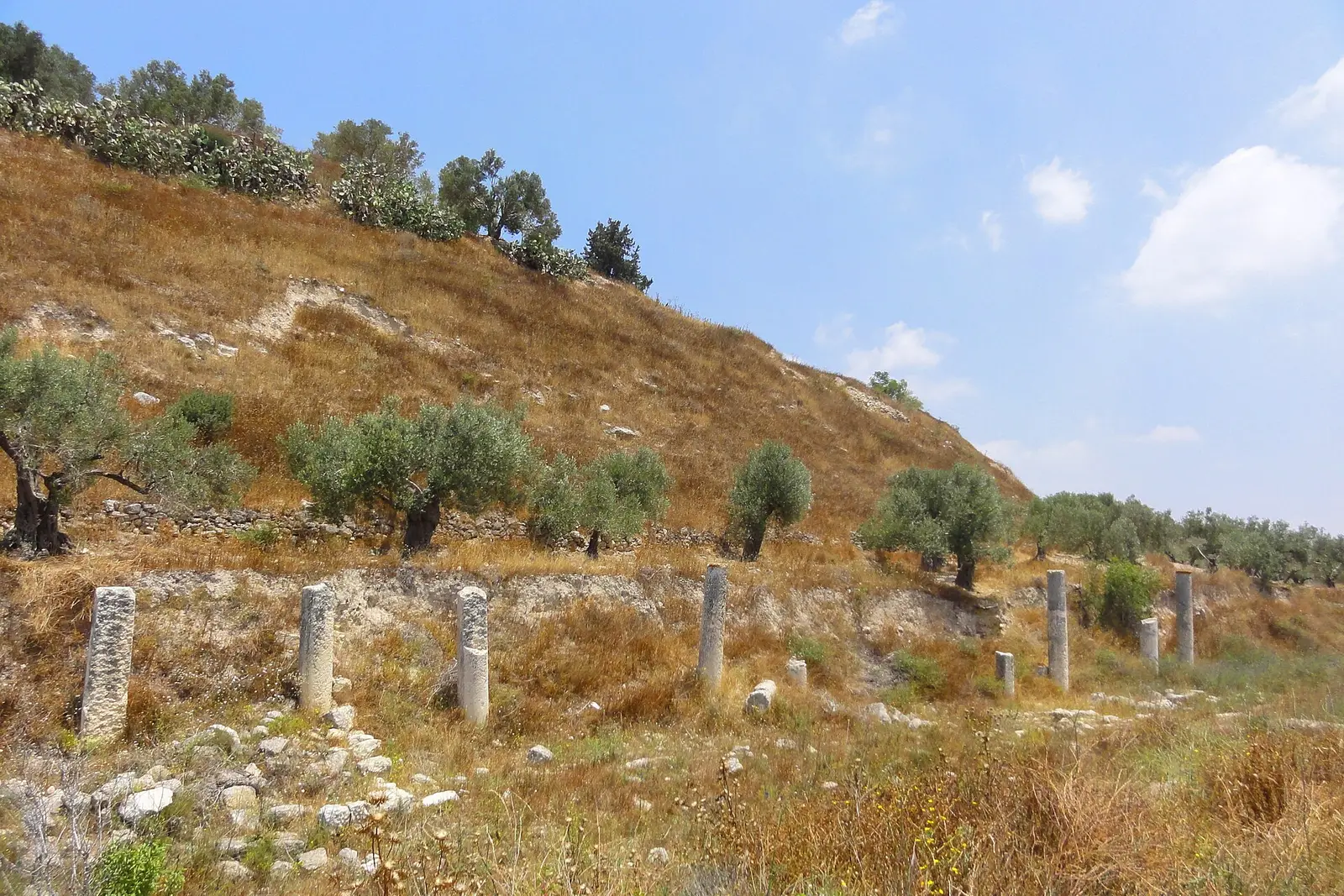 Excavation · 2011
 Excavation · 2011
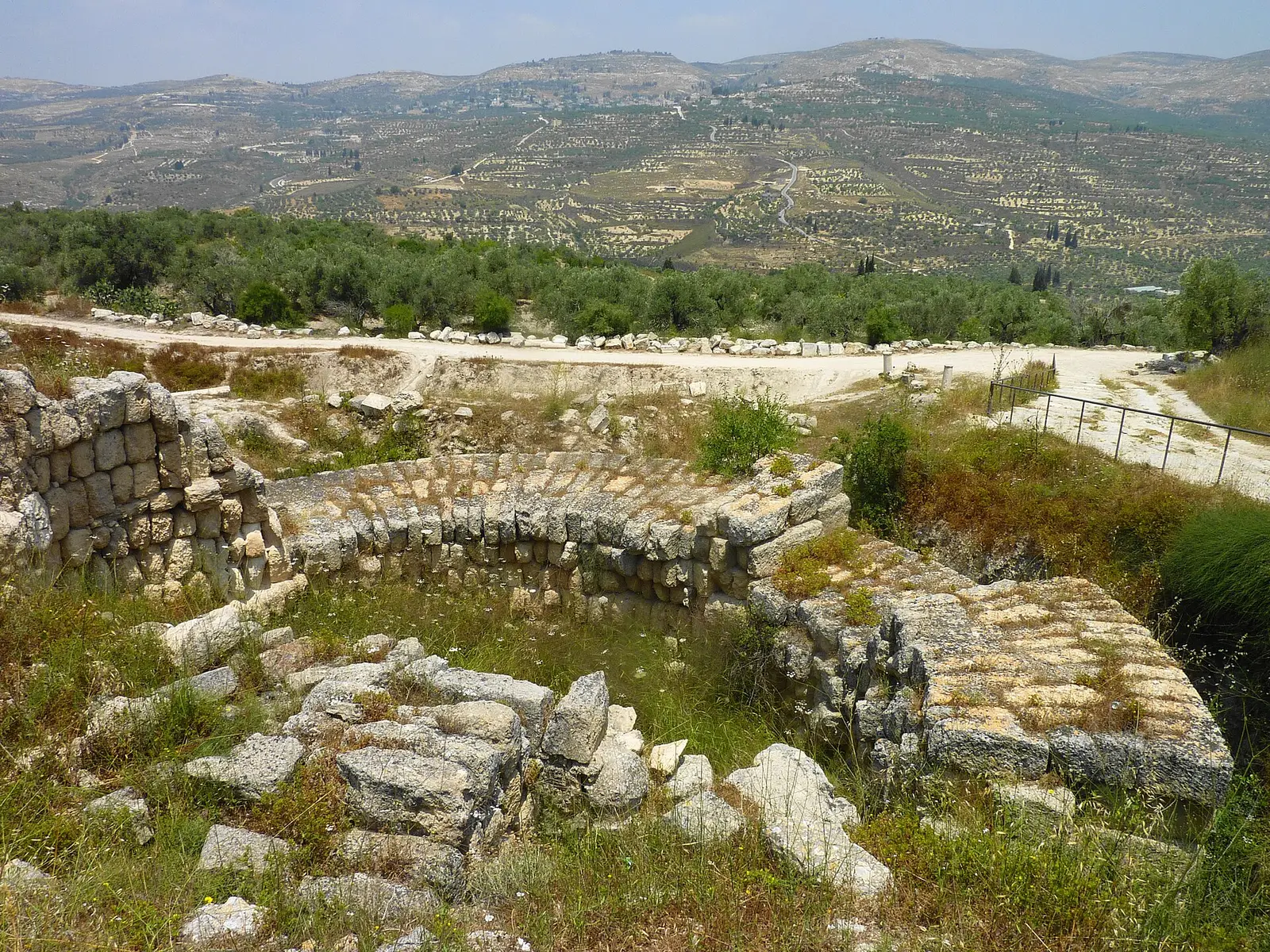 Excavation · 2011
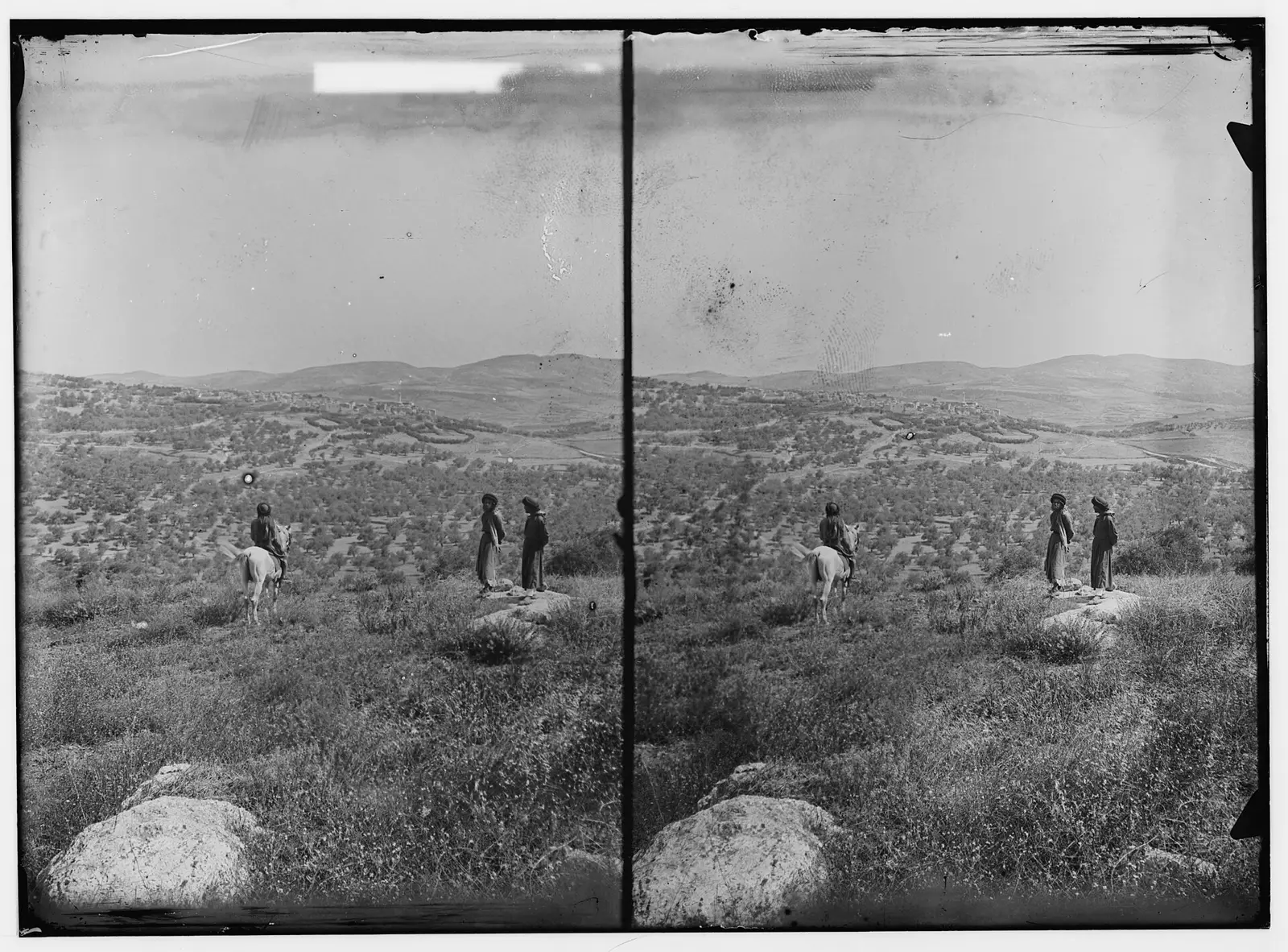 Back then · c. 1900
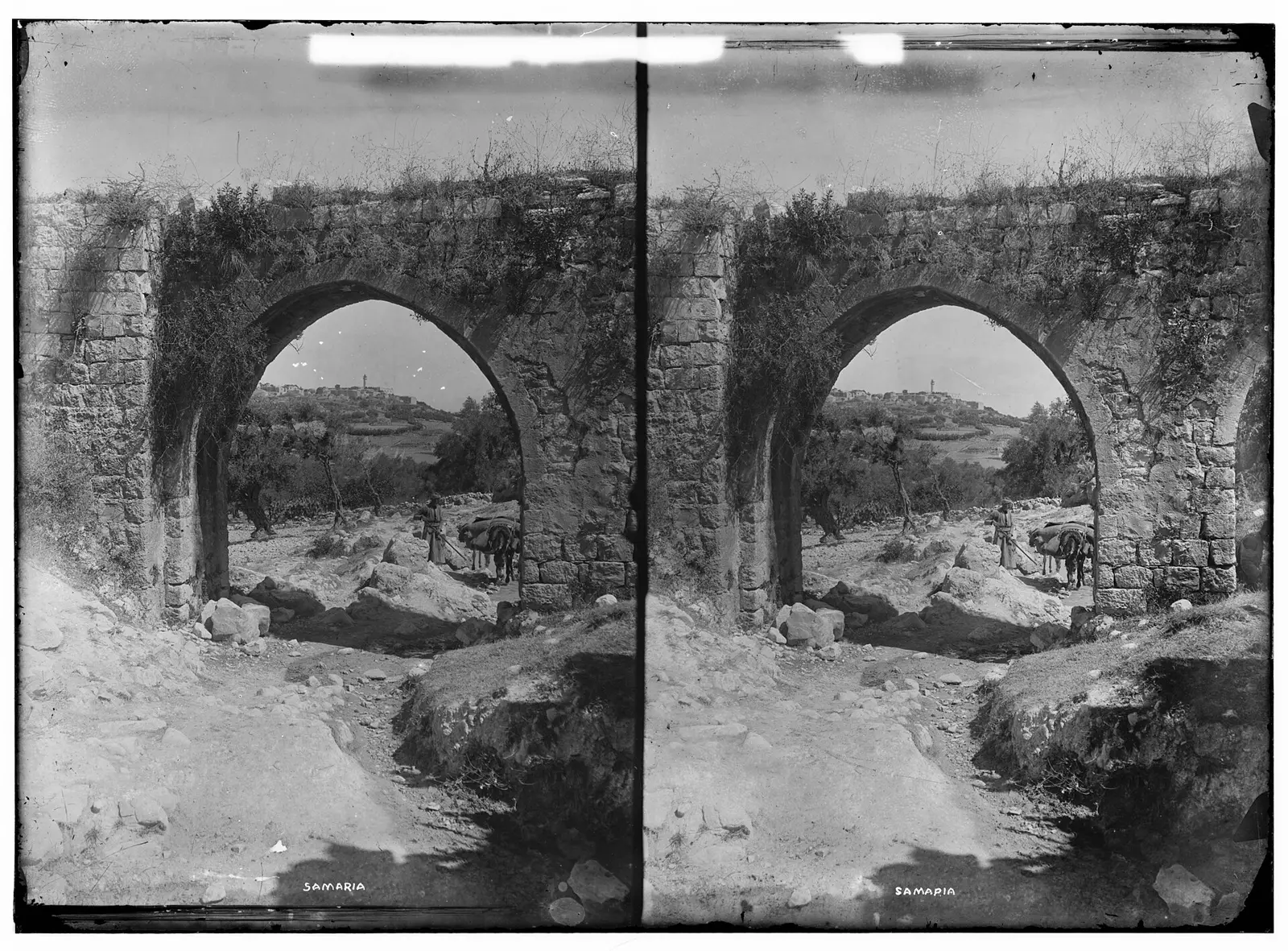 Back then · c. 1900
Photo credits
- Ancient Samaria (Sebaste), capital of the northern kingdom of Israel. Today · 2016 · Ovedc · CC BY-SA 4.0 · Source
- Roman colonnaded street in Samaria (Sebaste) – from after Herod’s rebuilding. Excavation · 2011 · Mujaddara · CC BY-SA 3.0 · Source
- Colonnaded street in Samaria (Sebaste). Excavation · 2011 · Mujaddara · CC BY-SA 3.0 · Source
- Remains of the Temple of Augustus in Samaria – built by Herod, who renamed the city Sebaste. Excavation · 2011 · Mujaddara · CC BY-SA 3.0 · Source
- Hellenistic tower in Samaria – fortification from the post-exilic period. Excavation · 2011 · Mujaddara · CC BY-SA 3.0 · Source
- Samaria (Sebastiyeh) from a distance, around 1900. Back then · c. 1900 · G. Eric and Edith Matson Photograph Collection, Library of Congress, Prints & Photographs Division, LC-DIG-matpc-01061 · Public Domain · Source
- Samaria from the road to Shechem, around 1900. Back then · c. 1900 · G. Eric and Edith Matson Photograph Collection, Library of Congress, Prints & Photographs Division, LC-DIG-matpc-01062 · Public Domain · Source
Photos from Wikimedia Commons and the Matson Collection of the Library of Congress, resized. Tap a photo to enlarge it. Captions AI-assisted – How the texts are made
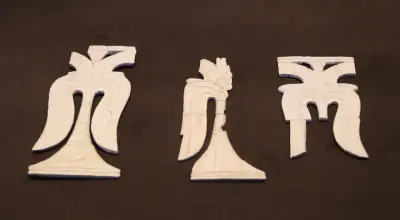
Finds from here


About the place
Samaria was the capital of the northern kingdom of Israel; it stood on the hill now occupied by the village of Sebastieh.1 King Omri bought the hill from Shemer, built on it and named the new capital after him (1 Kings 16:24).1,2 Under Omri’s successors Samaria was the centre of the kingdom, was besieged several times by the Arameans and fell to the Assyrians late in the eighth century BC (2 Kings 18:9–12).1,2 Herod later rebuilt the city and called it Sebaste.1
Besieged by Aram
Ben-hadad, king of Aram, marched against Samaria with 32 allied kings, but the Israelites drove his army back (1 Kings 20).1,2 Under Ahab’s son Joram, Ben-hadad besieged the city again for so long that a severe famine broke out and Samaria nearly fell (2 Kings 6:24–7:20).1,2
Baal in Samaria
After Jehu’s coup the followers of Baal were killed in the temple of Baal in Samaria, and the temple was torn down (2 Kings 10:18–28).1,2 Under Jehu’s descendants the city returned to the LORD, yet the Asherah pole still stood in Samaria in the days of Jehoahaz (2 Kings 13:6).1,2
Prosperity and fall
Under Jeroboam son of Joash, Samaria enjoyed a time of wealth; Amos speaks of houses and couches adorned with ivory (2 Kings 14:23–28; Amos 3:15; 6:4–6).1,2 Internal strife then left the kingdom exposed to Assyria; after a three-year siege Samaria was taken and Israel carried into exile (2 Kings 18:9–12).1,2 In the decades that followed, deported foreigners were settled in the area (2 Kings 17:24).1,2
Samaria after the exile
In the Persian period Samaria was the seat of an administrative district whose governors were several times named Sanballat (Nehemiah 2:10).1,2 The Samaritans saw themselves as part of Israel but were turned away by the Judeans (Ezra 4:1–3).1,2 When Alexander the Great reached the Levant in 331 BC, the Samaritans killed his governor; their leaders fled to a cave in the Wadi Daliyeh, where they died together with their papyrus documents.1
Sebaste under Herod
John Hyrcanus destroyed Samaria in 108/107 BC; Pompey had it rebuilt, and Gabinius restored it further.1 Herod renamed it Sebaste in honour of the emperor Augustus, Sebastos in Greek, and built him a large temple there.1 In the first Jewish war its inhabitants went over to the Romans.1
Samaria in the Bible
Samaria appears in 48 sections across 12 books of the Bible – first in 1 Kings 13:32, last in Micah 1:1. Most often in 2 Kings (14), 1 Kings (7) and Isaiah (6).
1 Kings
- 1 Kings 15:25–16:34 The Kings of Israel up to Ahab
- 1 Kings 20:1–43 Ahab’s Wars with Ben-hadad
- 1 Kings 22:1–40 Micaiah and Ahab’s Death
- 1 Kings 22:41–53 Jehoshaphat and Ahaziah
mentioned: 13:32; 18:2; 21:1; 21:18
2 Kings
- 2 Kings 1:1–18 Elijah and King Ahaziah
- 2 Kings 3:1–27 War against Moab
- 2 Kings 5:1–27 Naaman Healed
- 2 Kings 6:24–7:20 Famine in Samaria
- 2 Kings 10:1–36 Jehu’s Judgment on the House of Ahab
- 2 Kings 13:1–25 Jehoahaz, Jehoash and Elisha’s Death
- 2 Kings 14:1–29 Amaziah and Jeroboam II
- 2 Kings 15:1–38 Azariah and the Last Kings of Israel
- 2 Kings 17:1–41 The Fall of Israel
mentioned: 2:25; 6:19–20; 18:9–10; 18:34; 21:13; 23:18–19
2 Chronicles
- 2 Chronicles 18:1–34 Jehoshaphat, Ahab and Micaiah
mentioned: 22:9; 25:13; 25:24; 28:8–9; 28:15
Ezra
mentioned: 4:10; 4:17
Nehemiah
mentioned: 4:2
Isaiah
mentioned: 7:9; 8:4; 9:9; 10:9–11; 28:1; 28:3; 36:19
Jeremiah
Ezekiel
mentioned: 16:46; 16:51; 16:53; 16:55; 16:61; 23:4; 23:33
Hosea
mentioned: 7:1; 8:5–6; 10:5; 10:7; 13:16
Amos
mentioned: 3:9; 3:12; 4:1; 6:1; 6:8; 8:14
Obadiah
mentioned: 1:19
Micah
mentioned: 1:1; 1:5–6; 1:9
Places nearby
Often mentioned together
Events at this place
- Reign of Baasha
- Reign of Elah
- Reign of Omri
- Naaman Healed
- Ahaziah, king of Israel
- Joram, king of Israel
- Jehu, king of Israel
- Death of Jehu
- Jehoahaz, king of Israel
- Jehoash, king of Israel
- Death of Jehoahaz
- Jeroboam II, king of Israel
- Menahem, king of Israel
- Hoshea, last king of Israel
References
- Tyndale Open Bible Dictionary – Article “Samaria” · tyndaleopenresources.com
- Bible text: 1 Kings 16:24; 1 Kings 20:1–21; 2 Kings 6:24–7:20; 2 Kings 10:18–28; 2 Kings 13:6; 2 Kings 14:23–28; Amos 3:15; Amos 6:4–6; 2 Kings 18:9–12; 2 Kings 17:24; Nehemiah 2:10; Ezra 4:1–3