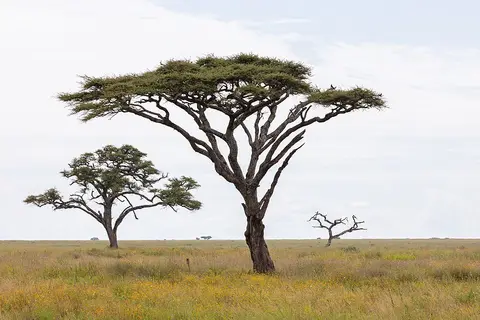
Acacia
desert tree
The only sizeable timber tree of the desert, with hard, heavy wood; the ark and the tabernacle furnishings were made of acacia.
Vachellia tortilis · Photo: Diego Delso · CC BY-SA 4.0 · Source
Hyssop, mustard seed, cedar, rock badger and hoopoe: the plants and animals explained while reading, on one page – with photos of the species today.
desert tree
The only sizeable timber tree of the desert, with hard, heavy wood; the ark and the tabernacle furnishings were made of acacia.
Vachellia tortilis · Photo: Diego Delso · CC BY-SA 4.0 · Source
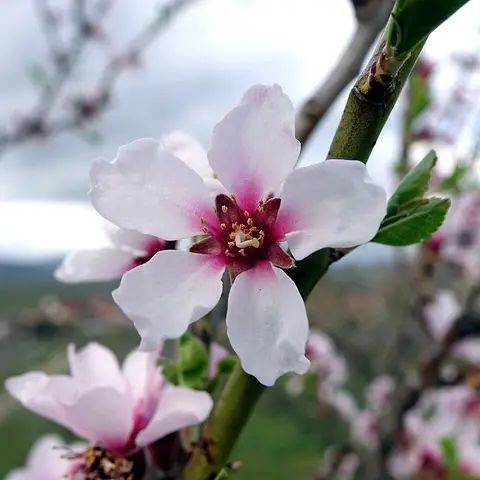
early-blooming tree
It blossoms very early in the year, a herald of spring; its Hebrew name sounds like “watching”, which Jeremiah plays on.
Prunus dulcis · Photo: Gzen92 · CC BY-SA 4.0 · Source
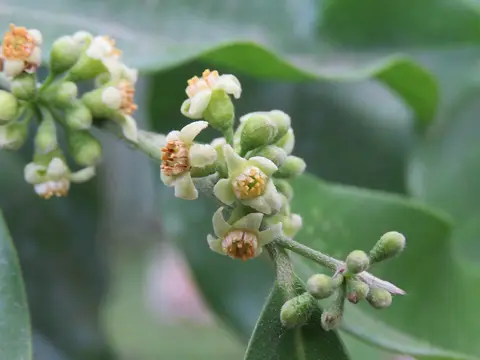
fragrant wood or embalming juice
In the Old Testament probably fragrant eaglewood; the aloes Nicodemus brought with myrrh for Jesus’ burial were probably the juice of the true aloe, used for embalming.
Aquilaria malaccensis · Photo: Vinayaraj · CC BY-SA 4.0 · Source
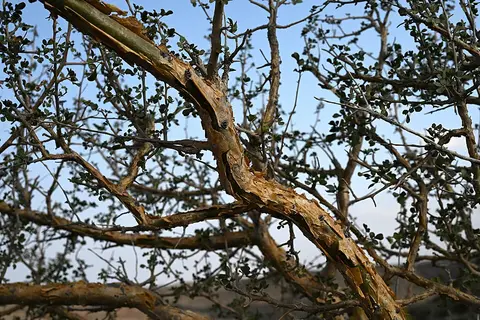
healing resin
A fragrant resin used as medicine; Jeremiah asks, “Is there no balm in Gilead?”
Commiphora gileadensis · Photo: Krzysztof Ziarnek, Kenraiz · CC BY-SA 4.0 · Source
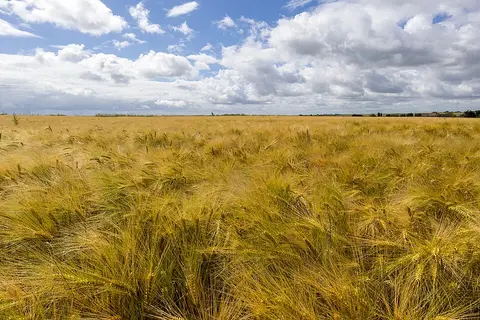
grain
Next to wheat the main grain crop; barley was cheaper and food for the poor. The boy at the feeding had five barley loaves.
Hordeum vulgare · Photo: JackyM59 · CC BY-SA 4.0 · Source
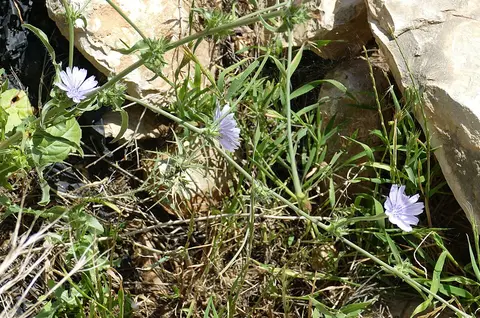
Passover herbs
Probably plants such as endive, lettuce or dandelion; they were eaten with the Passover lamb.
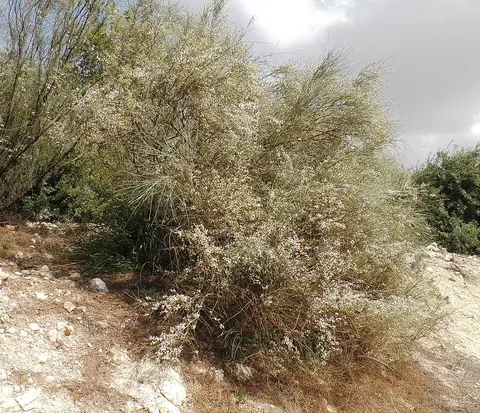
desert shrub
The white broom, often the only shade in the desert; older translations say “juniper”. Elijah sat under one and longed to die.
Retama raetam · Photo: Original: Ariel Palmon Derived: Peter Coxhead · CC BY-SA 4.0 · Source
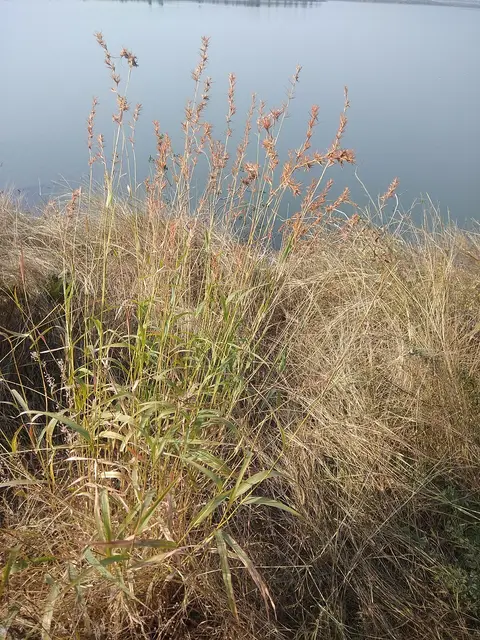
fragrant cane
A fragrant grass or cane, probably imported from India; it was part of the holy anointing oil.
Cymbopogon martini · Photo: Ravi Upadhyay India · CC BY 4.0 · Source
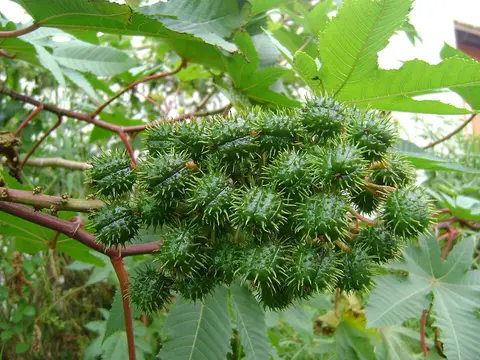
fast-growing plant
Probably the castor plant, which grows rapidly in hot climates and gives dense shade with its large leaves; Jonah rejoiced over it.
Ricinus communis · Photo: Onjacktallcuca · Public Domain · Source
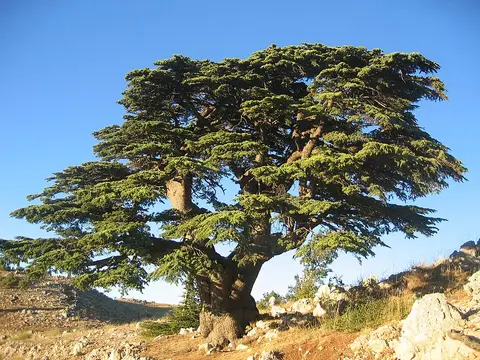
mighty conifer
The cedar of Lebanon, the largest tree Israel knew, with fragrant, lasting wood; Solomon used it for temple and palace.
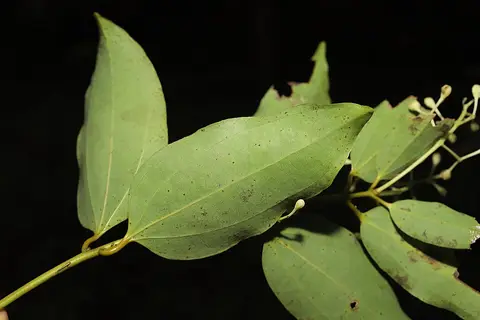
spice bark
The fragrant bark of a tree from tropical Asia; cinnamon was an ingredient of the holy anointing oil.
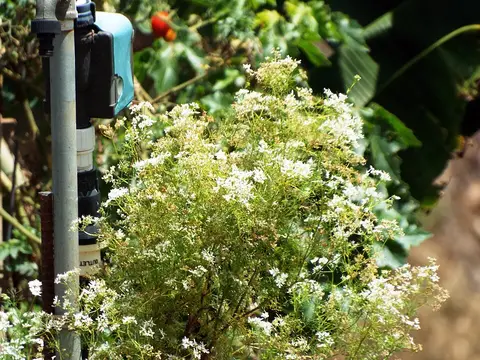
spice plant
A spice herb that grew in the fields; the Bible mentions it only to describe the manna, which looked like coriander seed.
Coriandrum sativum · Photo: Forest and Kim Starr · CC BY 3.0 US · Source
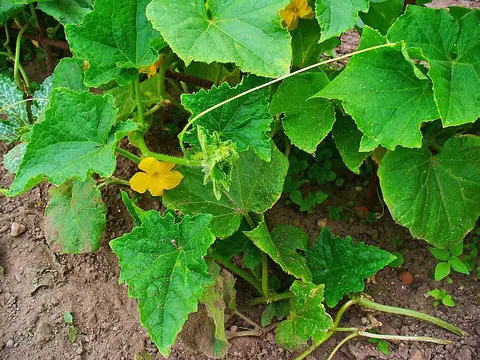
cucumbers and melons
Juicy field crops eaten raw; the people missed them in the wilderness, and Isaiah knows the watchman’s hut in a cucumber field.
Cucumis sativus · Photo: H. Zell · CC BY-SA 3.0 · Source
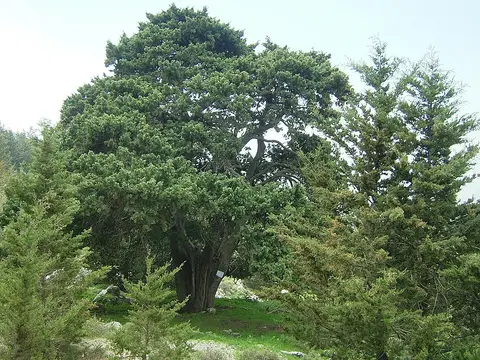
tall conifer
A tall evergreen of the mountains, growing alongside cedar and oak; its wood is very durable.
Cupressus sempervirens · Photo: Chneophytou · CC BY-SA 3.0 · Source
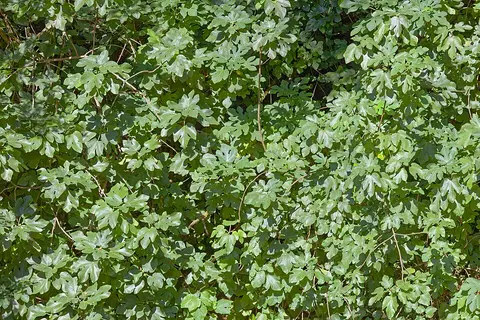
fruit tree
One of the most important trees of the land and a staple food; Adam and Eve already sewed coverings from fig leaves.
Ficus carica · Photo: Luis Miguel Bugallo Sánchez · CC BY-SA 4.0 · Source
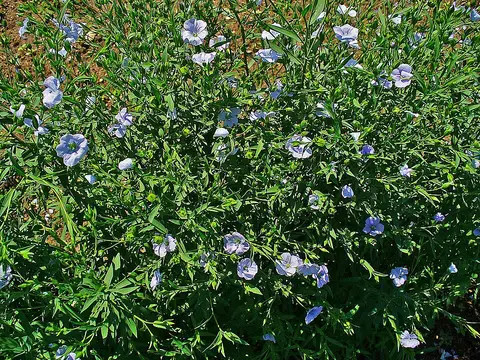
fibre plant for linen
The oldest known fibre plant, from which linen was woven; Rahab hid the spies under stalks of flax on her roof.
Linum usitatissimum · Photo: H. Zell · CC BY-SA 3.0 · Source
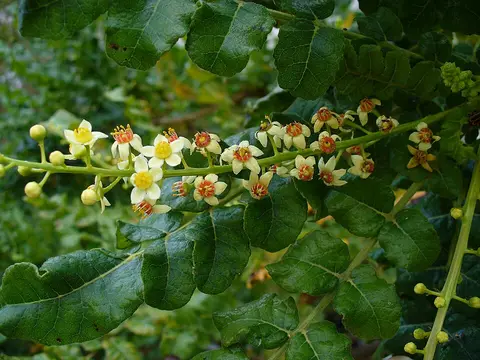
resin for incense
Bitter resin from trees of southern Arabia and East Africa that smells strongly when burnt; it was part of the sacred incense.
Boswellia sacra · Photo: Scott Zona from USA · CC BY 2.0 · Source
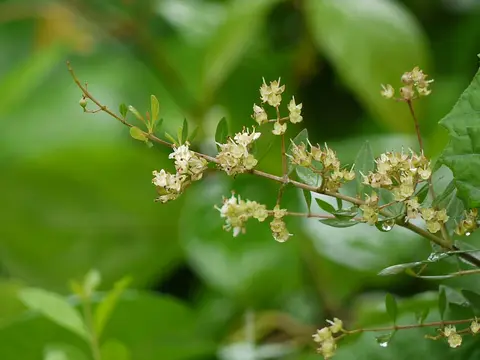
henna shrub
A shrub with fragrant blossoms whose leaves give a red dye; the Song of Songs compares the beloved to a cluster of henna.
Lawsonia inermis · Photo: Dinesh Valke from Thane, India · CC BY-SA 2.0 · Source
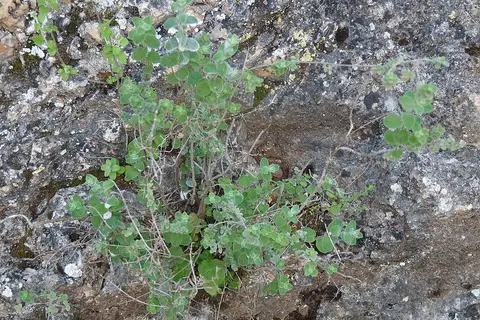
aromatic shrub
Probably Syrian marjoram, a bushy herb with fragrant leaves; at the exodus a bunch of hyssop was used to put the blood on the doorposts.
Origanum syriacum · Photo: Kippi70 · CC BY-SA 3.0 · Source
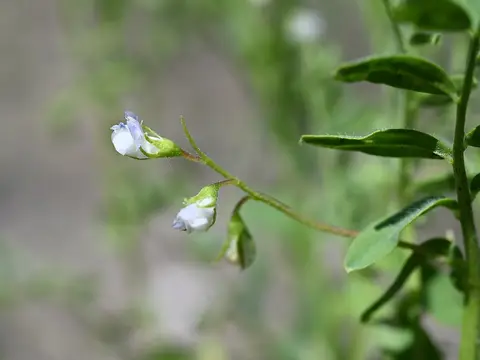
pulse
A small pulse grown in flat pods; for a red lentil stew Esau sold his birthright.
Lens culinaris · Photo: Krzysztof Ziarnek, Kenraiz · CC BY-SA 4.0 · Source
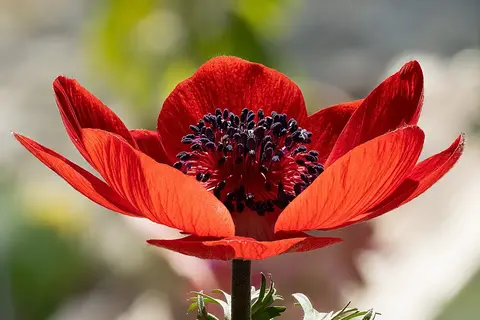
wild flower
Several flowers bear this name; the “lilies of the field” are probably the colourful anemones, more splendid than Solomon’s robes.
Anemone coronaria · Photo: Ermell · CC BY-SA 4.0 · Source
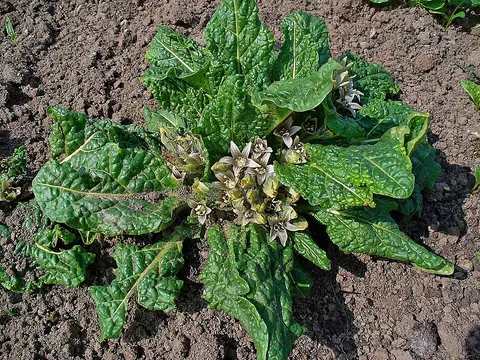
love apple
The mandrake, a slightly poisonous herb with a human-like root believed to aid fertility; Leah and Rachel bargained over them.
Mandragora officinarum · Photo: H. Zell · CC BY-SA 3.0 · Source
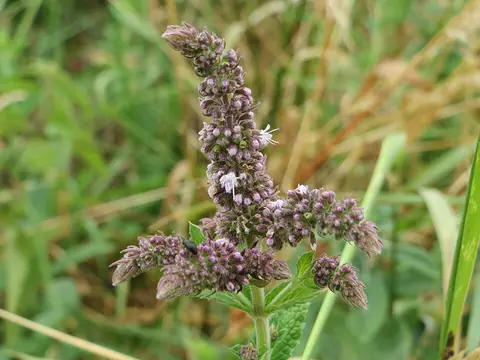
garden herbs
Fragrant herbs for seasoning and medicine; Jesus says people tithed even these yet neglected justice and mercy.
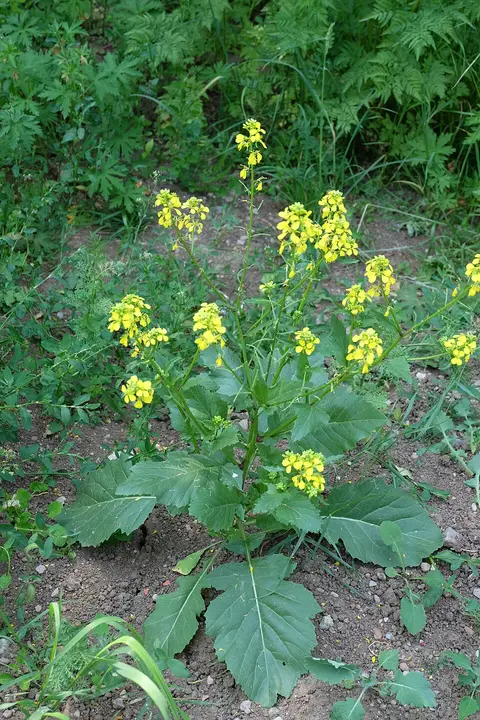
tiny seed
Probably black mustard, whose tiny seeds grow into a large plant; Jesus compares it to the kingdom of God and to faith.
Brassica nigra · Photo: Katrin Schneider / korina.info · CC BY-SA 4.0 · Source
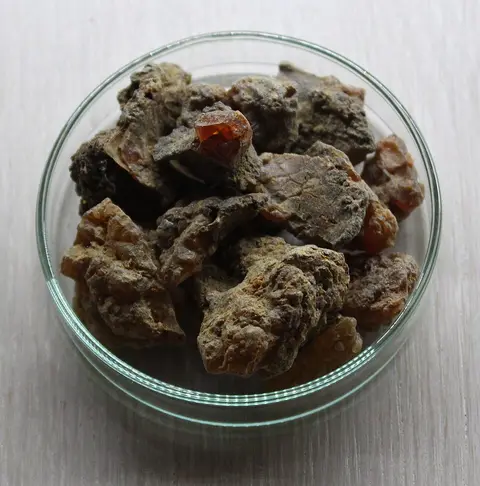
fragrant resin
Fragrant resin of thorny shrubs from Arabia and East Africa, used in perfume and incense; the Magi brought it to the child in Bethlehem.
Myrrh resin as it is traded (exhibition at the Tower of David, Jerusalem); Wikimedia Commons has no usable photo of the myrrh shrub
Photo: Deror_avi · CC BY-SA 3.0 · Source
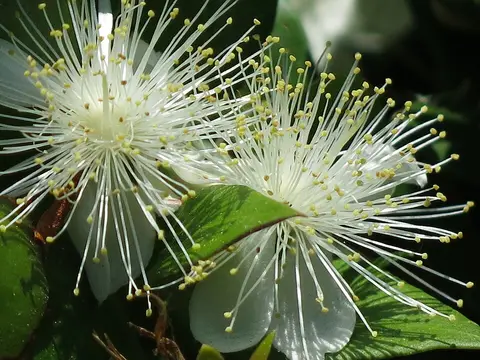
evergreen shrub
A fragrant evergreen shrub, a sign of God’s generosity; myrtle branches were used for the booths of the Feast of Tabernacles.
Myrtus communis · Photo: Burkhard Mücke · CC BY-SA 4.0 · Source
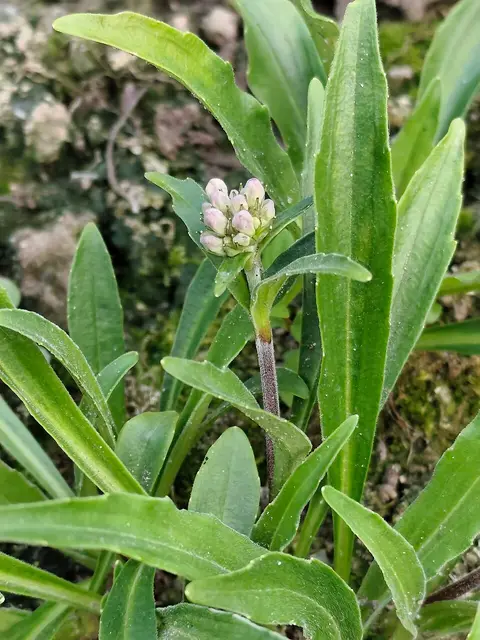
costly perfume
Perfume from the roots of a Himalayan plant, brought from far away and very costly; Jesus was anointed with it at Bethany.
Nardostachys jatamansi · Photo: Plantagenet · CC BY-SA 4.0 · Source
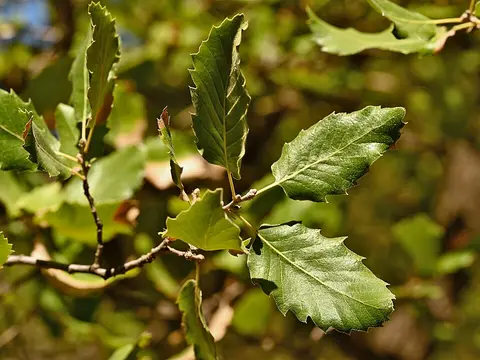
oak
Several kinds of oak grew in the land; some translations say “oak” where the terebinth is probably meant.
Quercus ithaburensis · Photo: Krzysztof Ziarnek, Kenraiz · CC BY 4.0 · Source
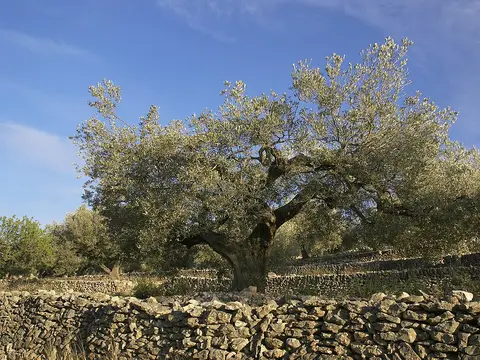
olive tree
One of Israel’s most valuable trees, with a gnarled trunk; its oil served as food, as lamp fuel and for anointing.
Olea europaea · Photo: Hans Hillewaert · CC BY-SA 3.0 · Source
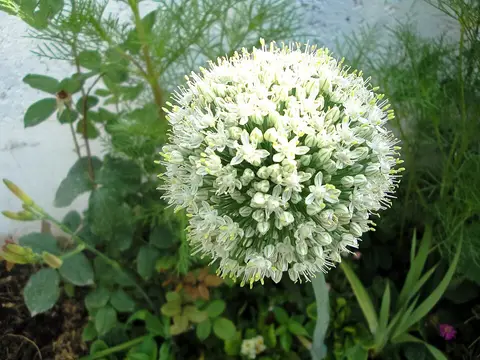
vegetables of Egypt
Pungent vegetables common in Egypt; in the wilderness the people longed to have them again.
Allium cepa · Photo: Mehdi · CC BY-SA 3.0 · Source
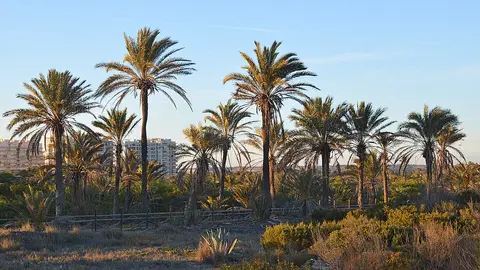
date palm
The tall date palm with its crown of leaves; its branches signified victory and joy, as at Jesus’ entry into Jerusalem.
Phoenix dactylifera · Photo: Ryan Hodnett · CC BY-SA 4.0 · Source
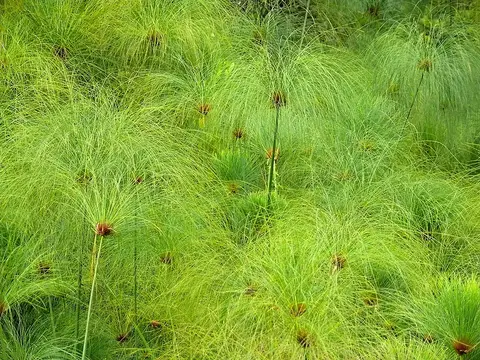
water reed
Tall reed plants along the Nile and other waters; papyrus was woven into boats and baskets, like the basket of baby Moses.
Cyperus papyrus · Photo: Bernard DUPONT from FRANCE · CC BY-SA 2.0 · Source
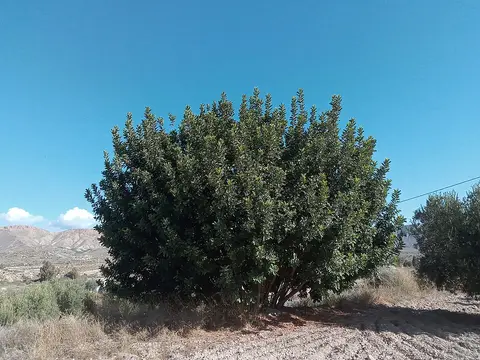
carob pods
The sweetish pods of the carob tree, common animal feed; the prodigal son longed to eat them.
Ceratonia siliqua · Photo: Eduardo Milla · CC BY-SA 4.0 · Source
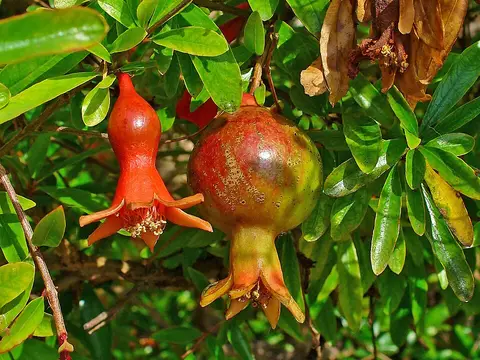
red fruit full of seeds
An apple-sized fruit with red juice and many seeds; pomegranates decorated the hem of the high priest’s robe.
Punica granatum · Photo: H. Zell · CC BY-SA 3.0 · Source
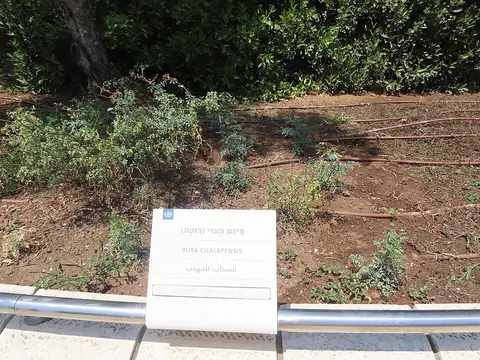
strong-smelling herb
A shrubby herb with a very strong smell, native to the Mediterranean; Luke mentions it alongside mint.
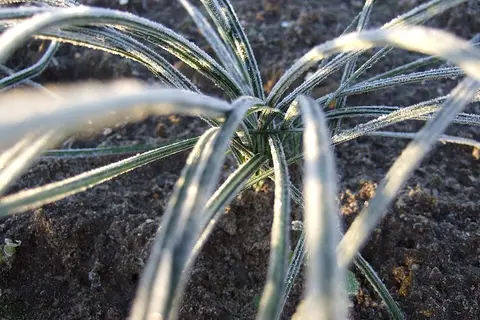
dye and spice from crocus
A dye and spice made from crocus stigmas, thousands of them for a small amount; the Song of Songs lists it among the treasures of a garden.
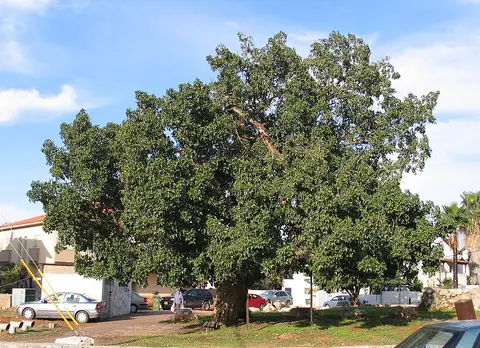
fig-like tree
A wide-spreading tree with fig-like fruit, which Zacchaeus climbed; in Luke 17:6 the black mulberry is probably meant.
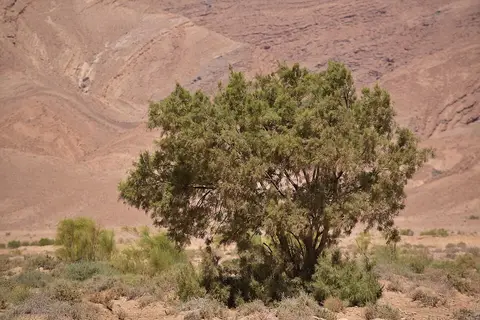
desert tree
Fast-growing tree of deserts and salt marshes that gives shade; Abraham planted a tamarisk at Beersheba.
Tamarix aphylla · Photo: Cheima fezzani · CC BY-SA 4.0 · Source
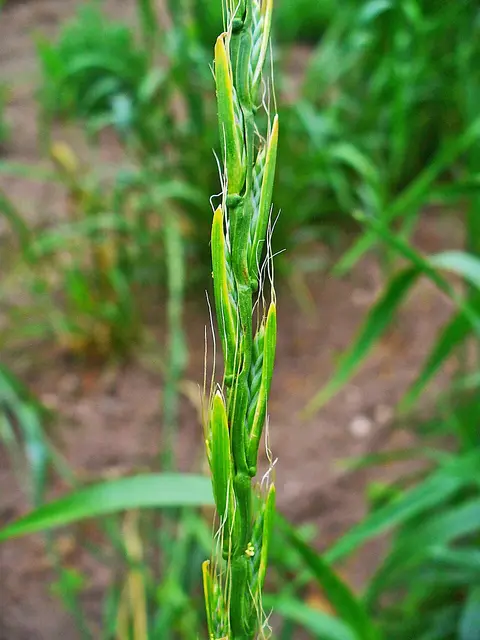
poisonous weed
Darnel, a grass that looks just like wheat but has poisonous seeds; only at harvest can it be safely separated.
Lolium temulentum · Photo: H. Zell · CC BY-SA 3.0 · Source
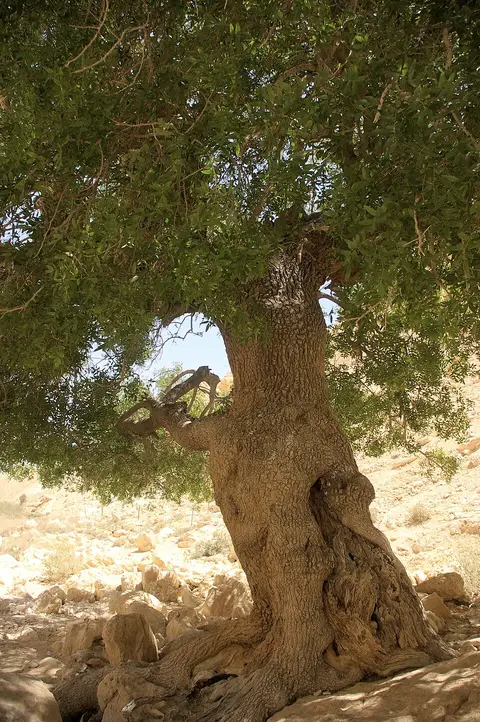
resinous tree
A large resinous tree that looks like an oak in winter and usually stands alone; older translations often say “oak”.
Pistacia atlantica · Photo: איתן פרמן · CC BY-SA 3.0 · Source
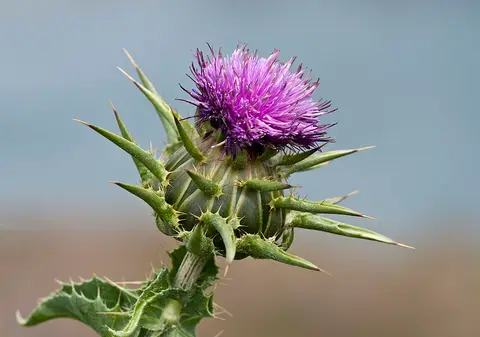
prickly plants
More than twenty Hebrew and Greek words describe prickly plants; since the fall they picture the toil of working the ground.
Silybum marianum · Photo: Zeynel Cebeci · CC BY-SA 4.0 · Source
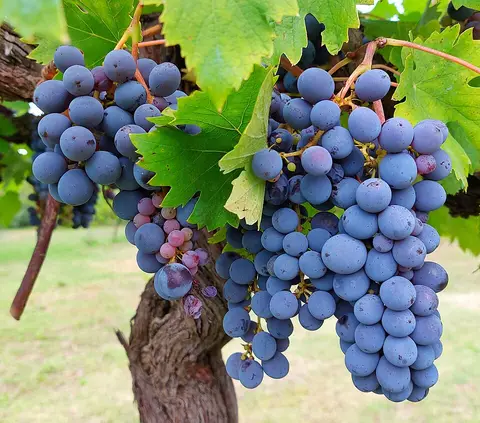
grapevine
The grapevine was a picture of Israel; Jesus calls himself the true vine, with his disciples as the branches.
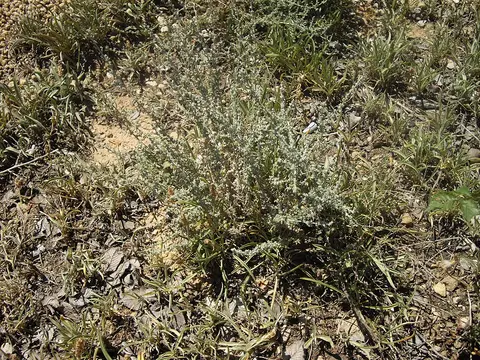
bitter herb
A strongly scented, very bitter plant; together with gall it pictures bitterness and sorrow.
Artemisia herba-alba · Photo: Ghislain118 http://www.fleurs-des-montagnes.net · CC BY-SA 3.0 · Source
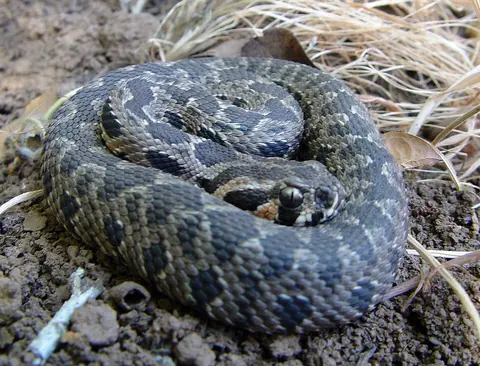
venomous snake
Venomous snakes such as vipers and the Egyptian cobra; Jesus calls the hypocrites a “brood of vipers” (Matthew 23:33).
Daboia palaestinae · Photo: Guy Haimovitch · CC BY-SA 3.0 · Source
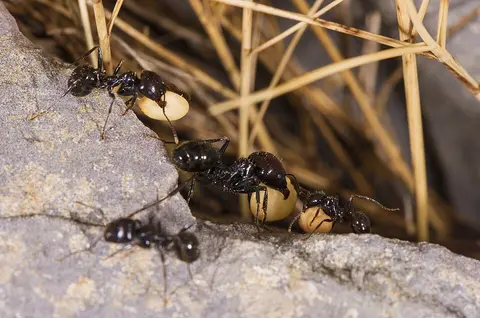
harvester ant
Probably the harvester ant, which stores grain for winter; Proverbs holds it up as an example to the sluggard.
Messor · Photo: Christian Ferrer · CC BY-SA 4.0 · Source
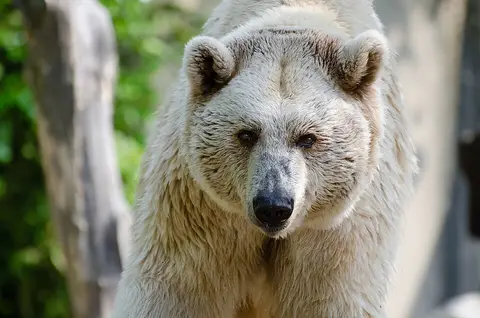
Syrian brown bear
The Syrian brown bear, large and powerful; David defended his flock against lion and bear.
Ursus arctos syriacus · Photo: Tuxyso · CC BY-SA 3.0 · Source
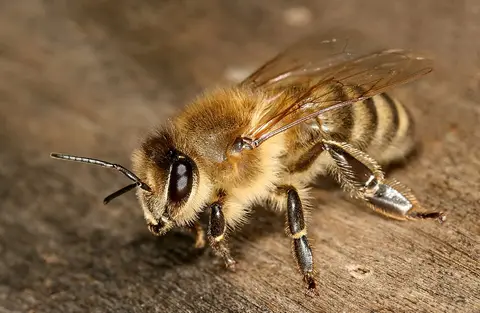
wild bee
The wild bees of the land were known for fierce attacks; their honey was prized. Samson found a swarm in a lion’s carcass.
Apis mellifera · Photo: Richard Bartz, Munich Makro Freak & Beemaster Hubert Seibring, Munich which gave me advice and a protection suite ;) My dog caught 6 bee-stings on the nose, i caught 4. · CC BY-SA 2.5 · Source
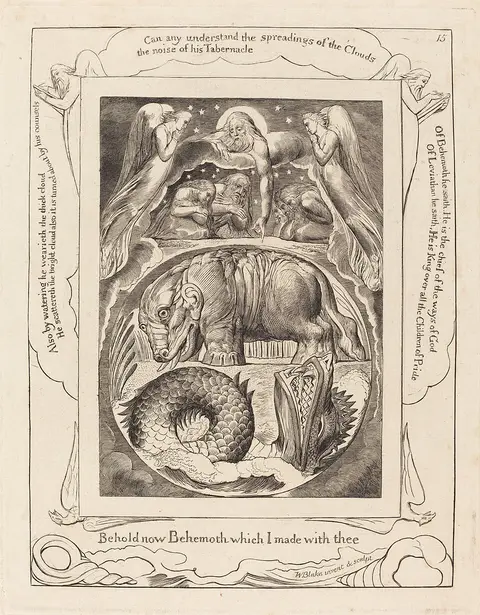
hippopotamus
A mighty beast in Job 40; today most think of the hippopotamus, earlier interpreters also of the elephant or wild ox.
Artistic depiction, not an animal photo: William Blake, “Behemoth and Leviathan”, engraving for Job 40 from his Illustrations of the Book of Job (1825)
Image: William Blake · CC0 1.0 · Source
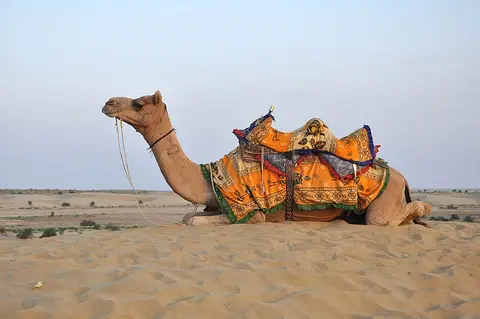
desert beast of burden
The one-humped camel carries heavy loads across the desert; John the Baptist wore a garment of camel’s hair.
Camelus dromedarius · Photo: Aiwok · CC BY-SA 3.0 · Source
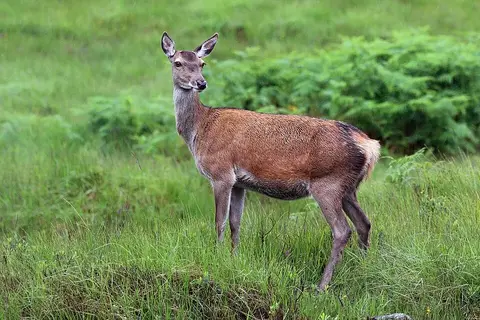
red deer
The red deer; the hart is the male, the hind the female. “As the deer pants for streams of water,” prays Psalm 42.
Cervus elaphus · Photo: Charles J. Sharp · CC BY-SA 4.0 · Source

stray dog
Mostly ownerless scavengers in streets and dumps; calling someone a dog was an insult, never a kindness.
Canis familiaris (Kanaanhund) · Photo: Giora Sluzky · CC BY-SA 3.0 · Source
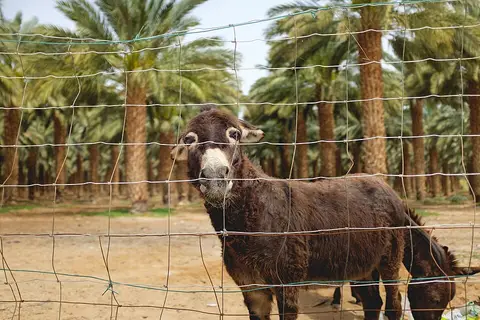
riding and pack animal
Then a handsome, valued animal for riding and carrying, not the stubborn beast we picture; Jesus entered Jerusalem on one.
Equus africanus asinus · Photo: Kristoffer Trolle from Copenhagen, Denmark · CC BY 2.0 · Source
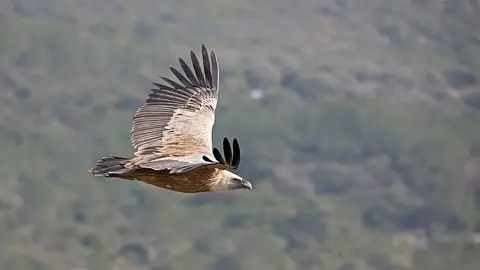
large bird of prey
The Hebrew word probably means any large bird of prey, whether eagle or vulture; their powerful flight is described with awe.
Gyps fulvus · Photo: Artemy Voikhansky · CC BY-SA 4.0 · Source
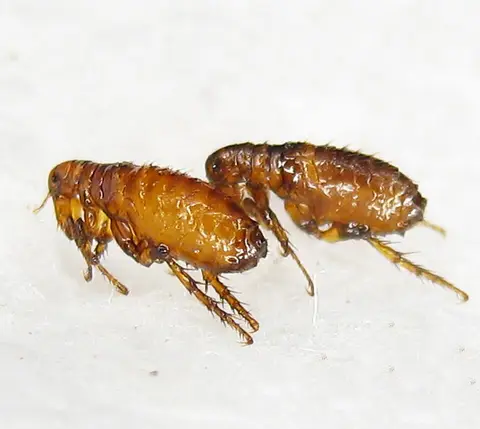
tiny bloodsucker
A tiny, irritating insect; David compares himself to a flea before Saul to show how insignificant he is.
Pulex irritans · Photo: Mario Principato · CC BY-SA 4.0 · Source
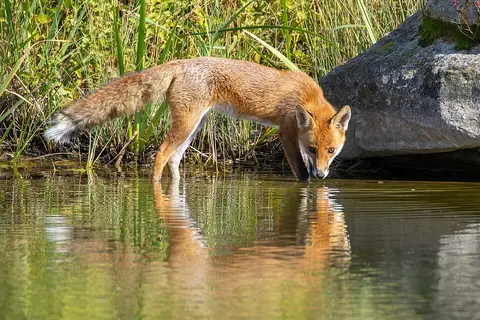
red fox
A small omnivore that usually hunts alone at night; it loves sweet grapes and digs tunnels that damage vineyards.
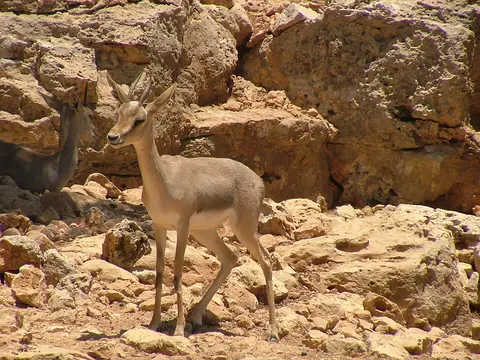
small antelope
A dainty, swift antelope of desert and steppe; older translations say “roe”. David’s warriors were swift as gazelles on the mountains.
Gazella gazella · Photo: SuperJew · CC BY-SA 3.0 · Source
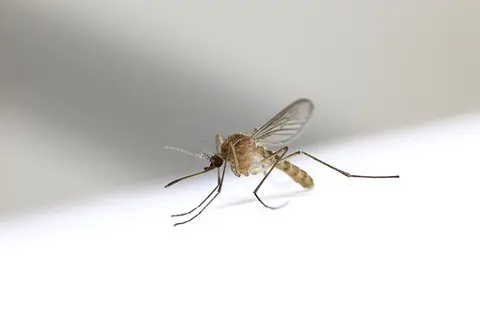
gnat
A general word for tiny flies; the third plague on Egypt was probably gnats. Jesus speaks of straining out a gnat and swallowing a camel.
Culex pipiens · Photo: 根川大橋 · CC BY-SA 4.0 · Source
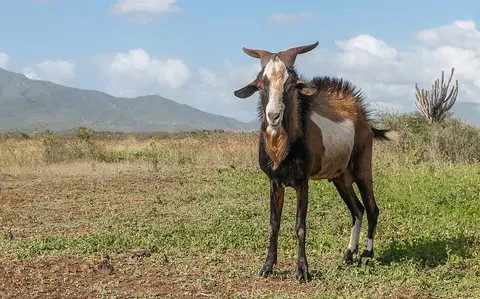
male goat
Goats were among the earliest domestic animals; a male goat was often a sin offering, and on the Day of Atonement one was sent into the wilderness.
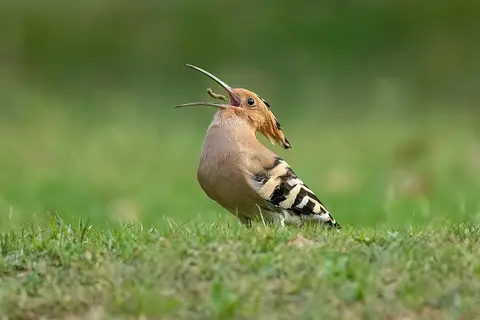
crested bird
A brightly feathered bird with an erectile crest and a long curved bill; it was counted unclean.
Upupa epops · Photo: Giles Laurent · CC BY-SA 4.0 · Source
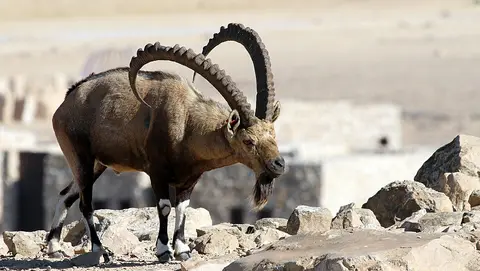
wild goat
The Nubian ibex, a wild goat that still lives on the cliffs by the Dead Sea; “the high mountains are for the wild goats”.
Capra nubiana · Photo: Greg Schechter from San Francisco, USA · CC BY 2.0 · Source
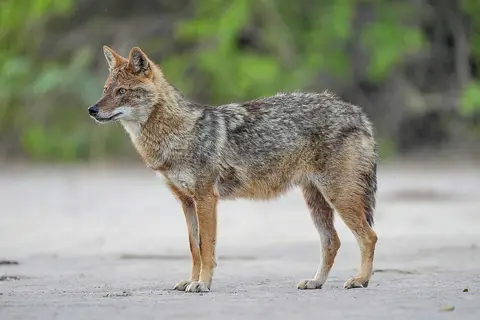
wild dog
Smaller than the wolf, often living in packs and prowling at night; jackals haunt deserted ruins.
Canis aureus · Photo: Giles Laurent · CC BY-SA 4.0 · Source
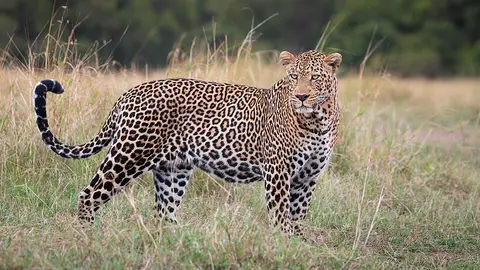
big cat
A spotted big cat that takes its prey by surprise from ambush.
Panthera pardus · Photo: Sumeet Moghe · CC BY-SA 4.0 · Source
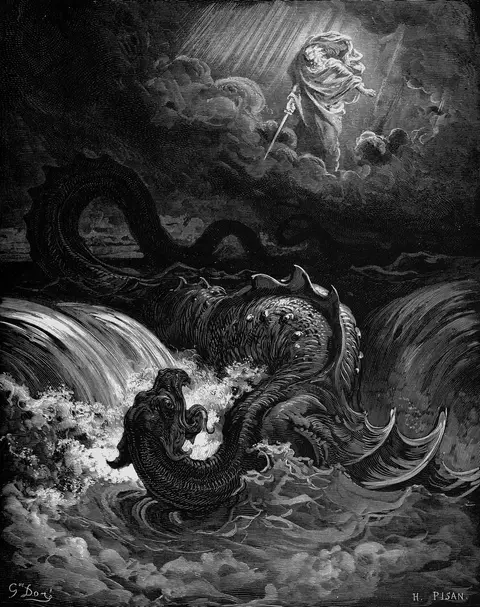
sea monster
A monster of the deep, perhaps the crocodile or large sea creatures; in Psalm 74 and Isaiah 27 it stands for powers God overcomes.
Artistic depiction, not an animal photo: Gustave Doré, “The Destruction of Leviathan” for Isaiah 27:1, wood engraving by Héliodore Pisan (1865)
Image: Gustave Doré · Public Domain · Source
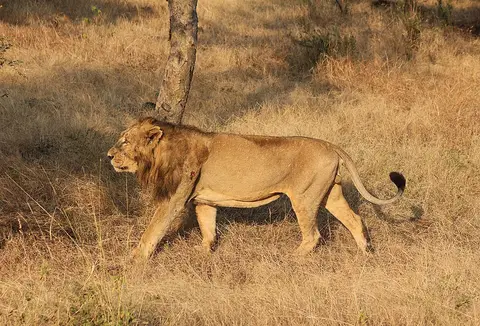
big cat
The Asiatic lion lived in the land at that time; it was the emblem of the tribe of Judah and a symbol of strength and danger.
Panthera leo persica · Photo: Bernard Gagnon · CC BY-SA 3.0 · Source
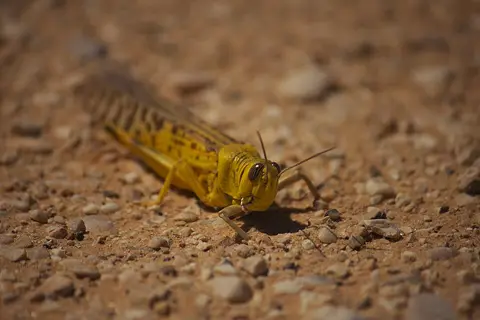
swarming insect
Migrating locusts descend in huge swarms and strip everything bare, as in the plague on Egypt; John the Baptist ate them.
Schistocerca gregaria · Photo: Adam Matan · CC BY-SA 3.0 · Source
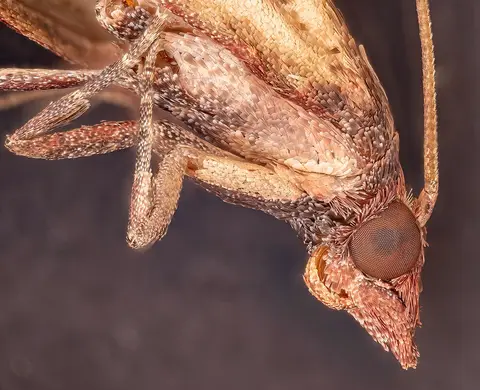
clothes moth
The clothes moth, whose larvae eat wool; a picture of decay and of the transience of earthly treasures.
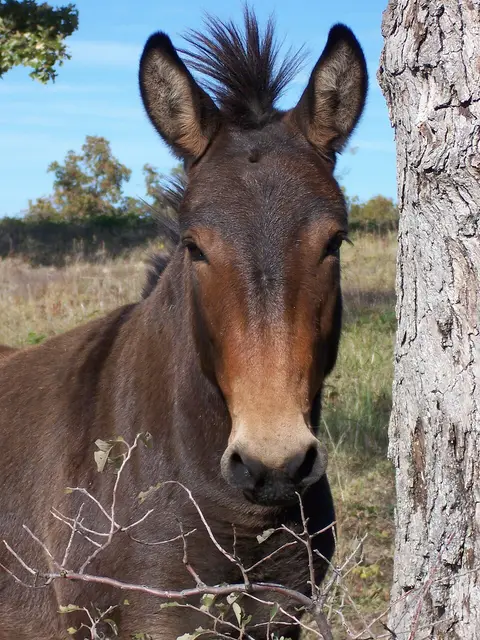
donkey-horse hybrid
Offspring of a male donkey and a mare; since the law forbade crossbreeding, Israel obtained mules from other nations. Solomon rode David’s mule.
Equus asinus × Equus caballus · Photo: Sogospelman at English Wikipedia · CC BY 2.5 · Source
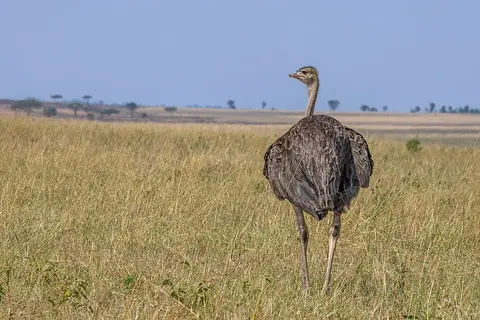
flightless bird
The largest living bird, flightless and fast, once found in the Negev; the Bible marvels at how carelessly it leaves its eggs.
Struthio camelus · Photo: Charles J. Sharp · CC BY-SA 4.0 · Source
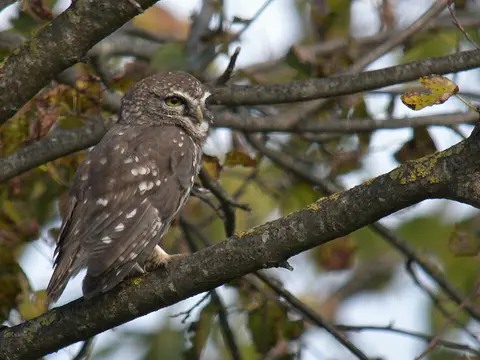
night bird
Night birds with large eyes and silent flight that live in ruins and caves; in the prophets a sign of deserted cities.
Athene noctua · Photo: Frank Vassen from Brussels, Belgium · CC BY 2.0 · Source
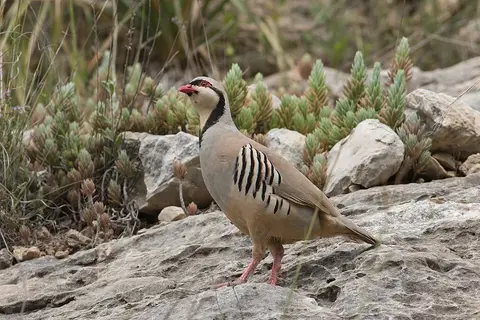
game bird
The most common game bird of the land; hunted by Saul, David compares himself to a partridge in the mountains.
Alectoris chukar · Photo: מינוזיג - MinoZig · CC BY-SA 4.0 · Source
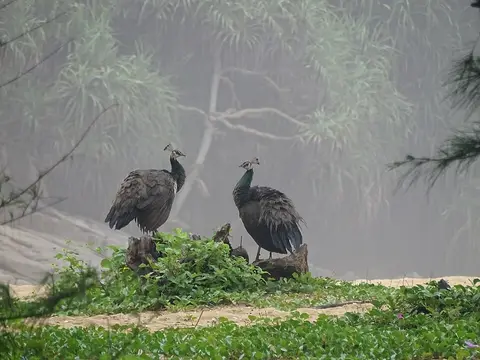
ornamental bird
A splendid bird native to India; if Solomon’s trading ships really brought back peacocks, his trade routes reached very far. Some think of monkeys or guinea fowl instead.
Pavo cristatus · Photo: Jameela P. · CC BY-SA 4.0 · Source
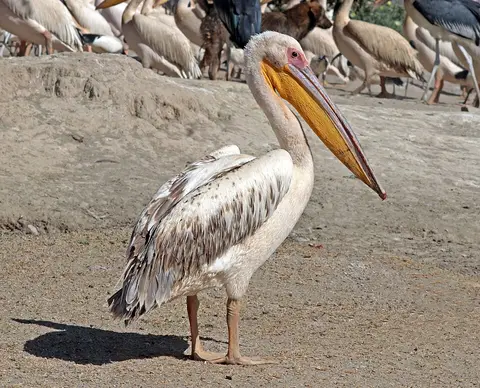
large water bird
The largest water bird, with a stretchable throat pouch for catching fish; in Isaiah, Zephaniah and (in older versions) Psalm 102 it is a picture of desolation.
Pelecanus onocrotalus · Photo: Charles J. Sharp · CC BY-SA 4.0 · Source
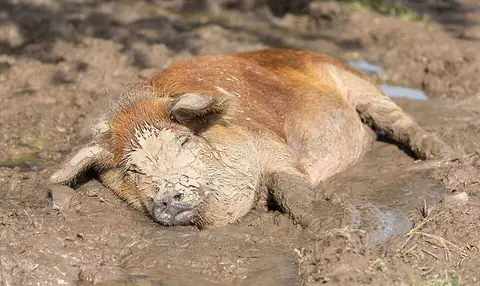
unclean animal
An unclean animal for Israel; pigs were kept in non-Jewish areas, as among the Gadarenes and in the parable of the prodigal son.
Sus domesticus · Photo: Basile Morin · CC BY-SA 4.0 · Source
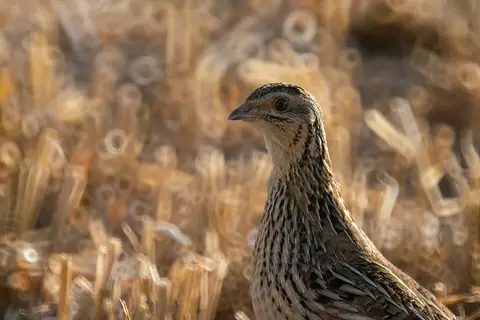
small game bird
Small migratory birds that travel in great flocks; twice the wind drove them into Israel’s camp in the wilderness.
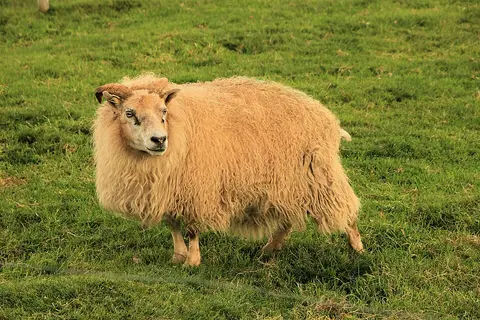
male sheep
The male sheep, a frequent sacrificial animal; rams’ horns were made into trumpets and oil containers.
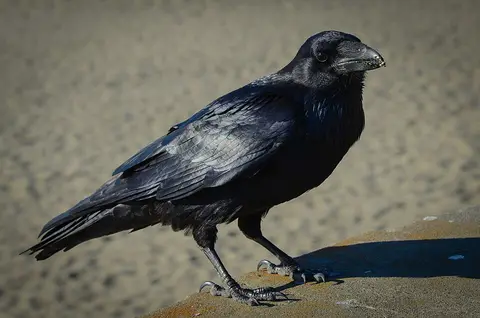
black bird
Its name means “black one”; Noah sent out a raven, and ravens fed Elijah with bread and meat.
Corvus corax · Photo: Franco Folini from San Francisco, USA · CC BY-SA 2.0 · Source
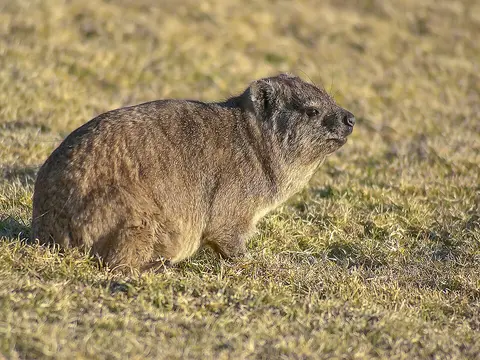
rock hyrax
The rock hyrax, a rabbit-sized animal with hooflike toes that lives among the rocks; the King James Version says “coney”.
Procavia capensis · Photo: Hans Hillewaert · CC BY-SA 3.0 · Source
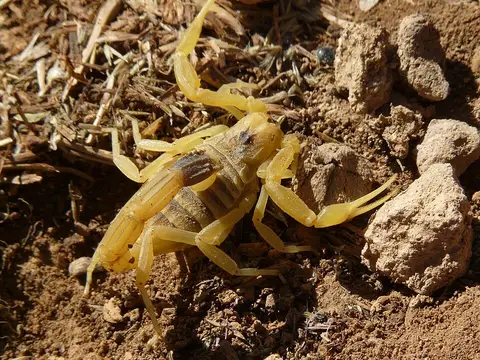
stinging arachnid
A nocturnal arachnid with a venomous sting that rests under stones by day; about a dozen species live in the land.
Leiurus quinquestriatus · Photo: Alastair Rae from London, United Kingdom · CC BY-SA 2.0 · Source
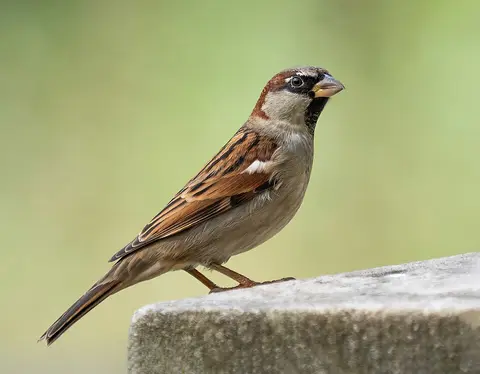
small bird
Generally any small bird of little worth; Jesus says that not one falls to the ground apart from the Father.
Passer domesticus · Photo: Rhododendrites · CC BY-SA 4.0 · Source
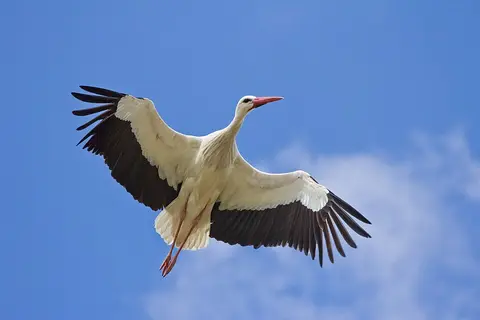
migratory bird
A large white wading bird that passes through the land each year on time; Jeremiah contrasts it with a people that ignores God’s order.
Ciconia ciconia · Photo: Carlos Delgado · CC BY-SA 3.0 · Source
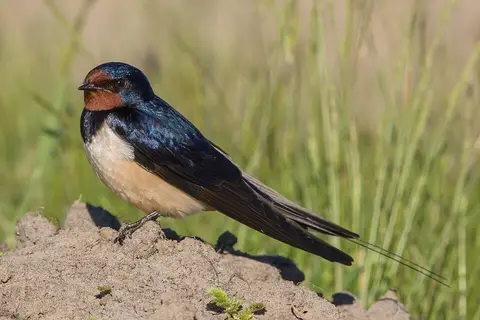
songbird
A swift, agile bird that likes to nest on buildings; the psalmist sees its nest even at God’s altar.
Hirundo rustica · Photo: Andreas Trepte · CC BY-SA 2.5 · Source
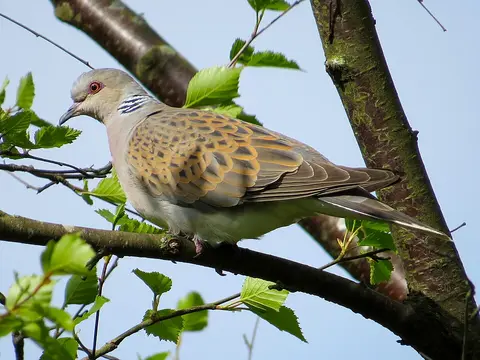
wild dove
A wild dove that returns in spring; poor families could offer two turtledoves, as Mary and Joseph did.
Streptopelia turtur · Photo: MPF · CC BY-SA 4.0 · Source
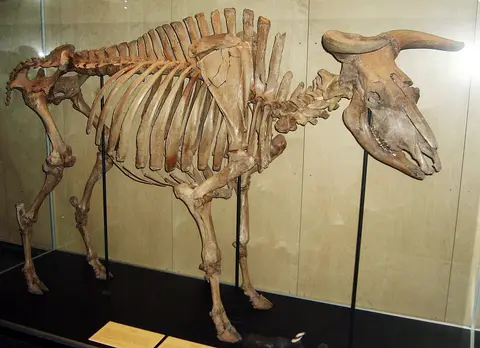
aurochs
The aurochs, large, fierce and untameable, with two long horns; the King James Version says “unicorn”, though no mythical beast is meant.
Skeleton of an aurochs bull (Bos primigenius), about 7400 BC, found at Prejlerup, Denmark, Zoological Museum Copenhagen; the aurochs has been extinct since 1627
Photo: FunkMonk · CC BY-SA 3.0 · Source
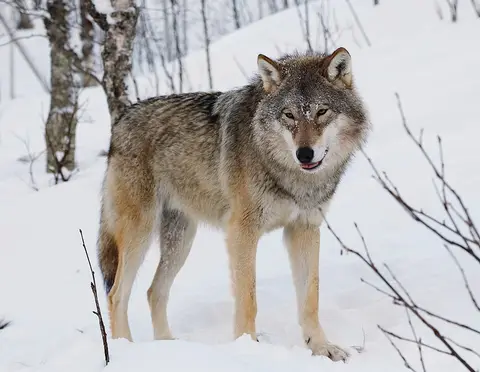
predator
Hunts mostly at night, alone or in packs; a picture of those who threaten the flock, including false prophets in sheep’s clothing.
Canis lupus · Photo: User:Mas3cf · CC BY-SA 4.0 · Source
Facts after the Tyndale Open Bible Dictionary (CC BY-SA 4.0), explanations AI-assisted; photos from Wikimedia Commons under free licences. For collective terms the photo shows a typical representative. AI-assisted


