Hebron
- Today
- Hebron (West Bank)
- Location
- securely identified (confidence 1000 of 1000)
- Elevation
- 950 m above sea level
- Coordinates
- 31.525° N, 35.102° E
When the place appears in the Bible
Map
Base map: Natural Earth (public domain), places after OpenBible.info (CC BY 4.0), © OpenStreetMap (ODbL) · All sources and licences
Notes and sources for this map
Location after OpenBible.info
Pictures
Today: the place and its landscape as they look today · Excavation: remains from biblical times that have survived or been excavated · Back then: photographs from around 1900–1940 (Matson Collection), before modern development
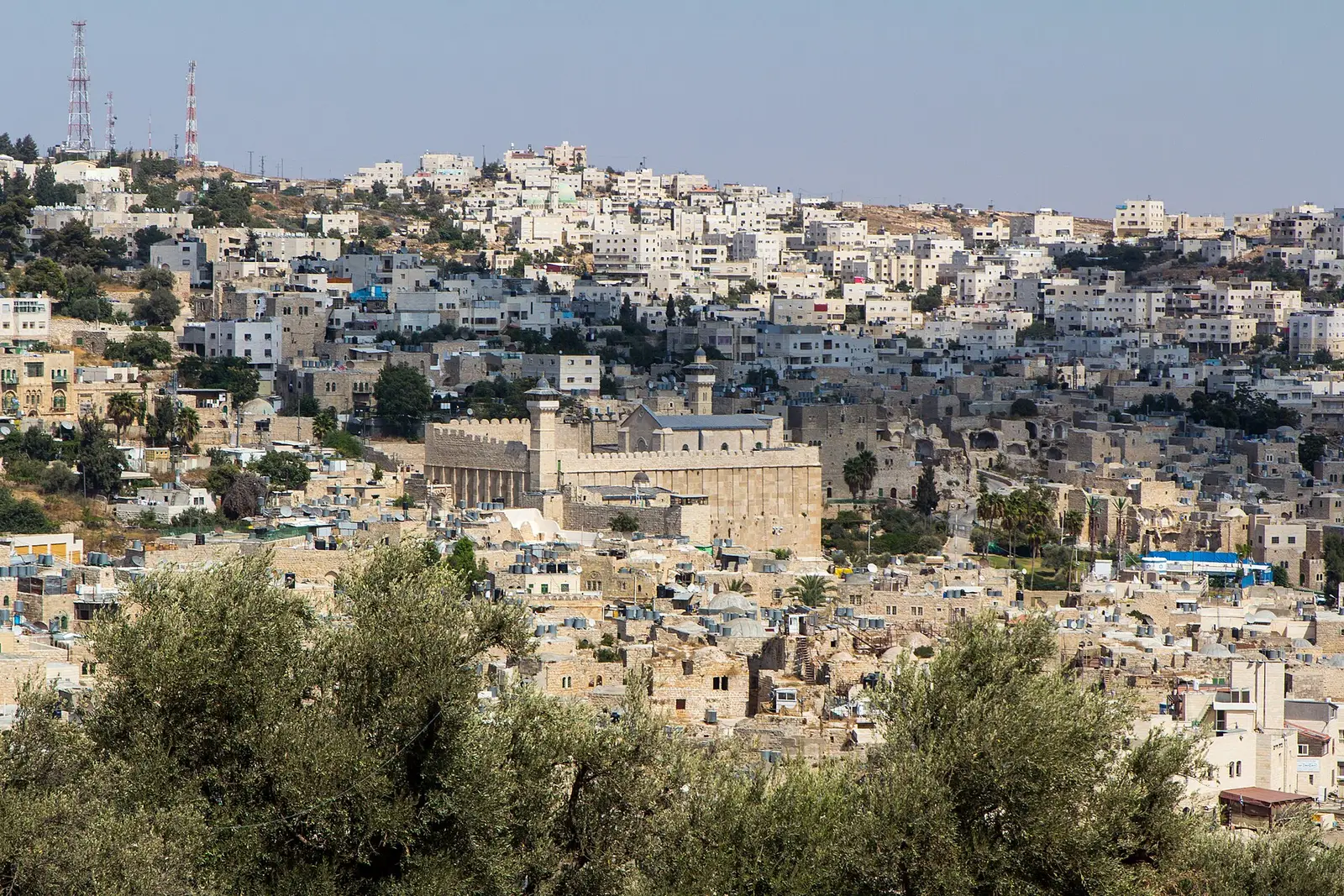
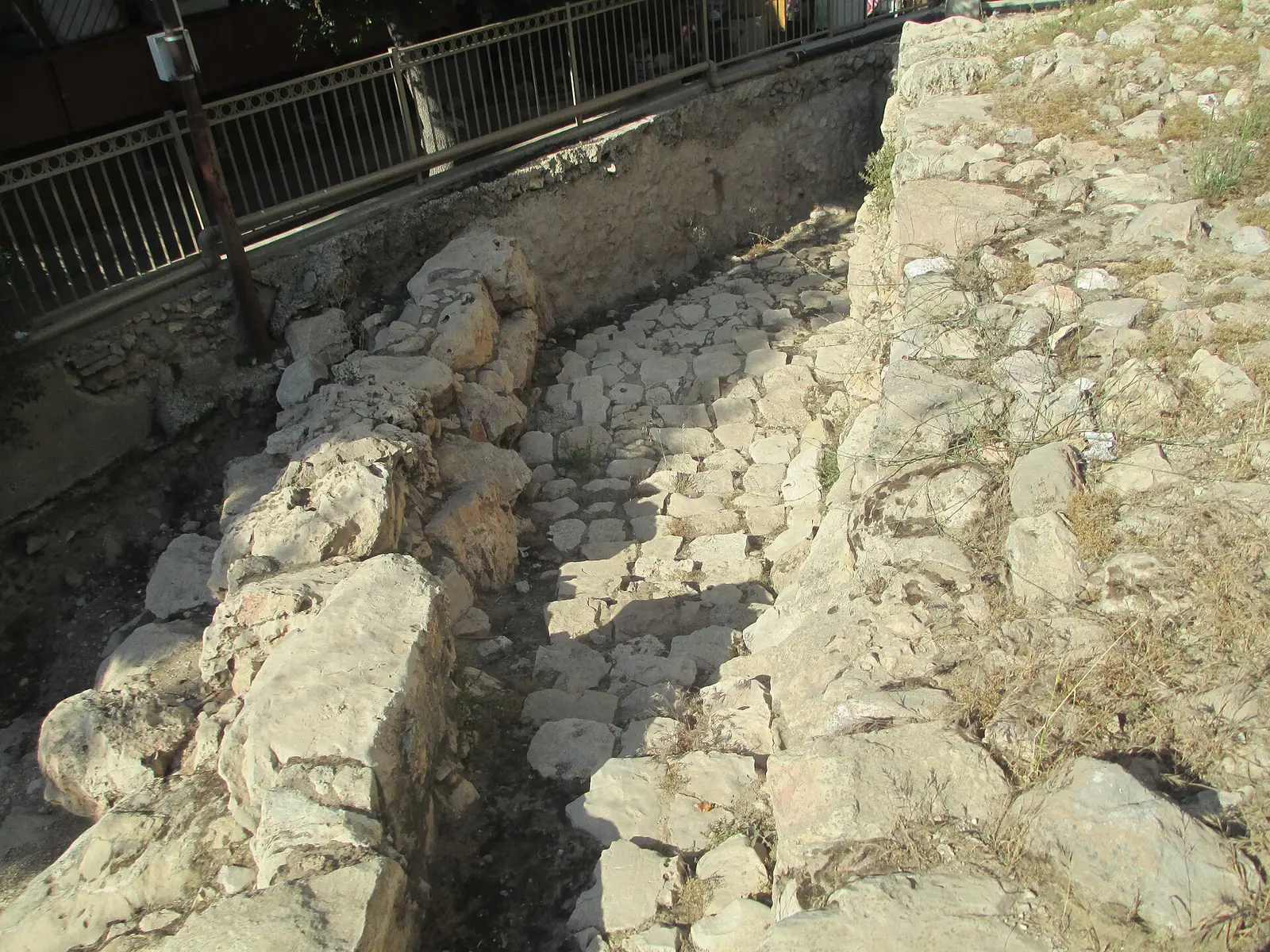
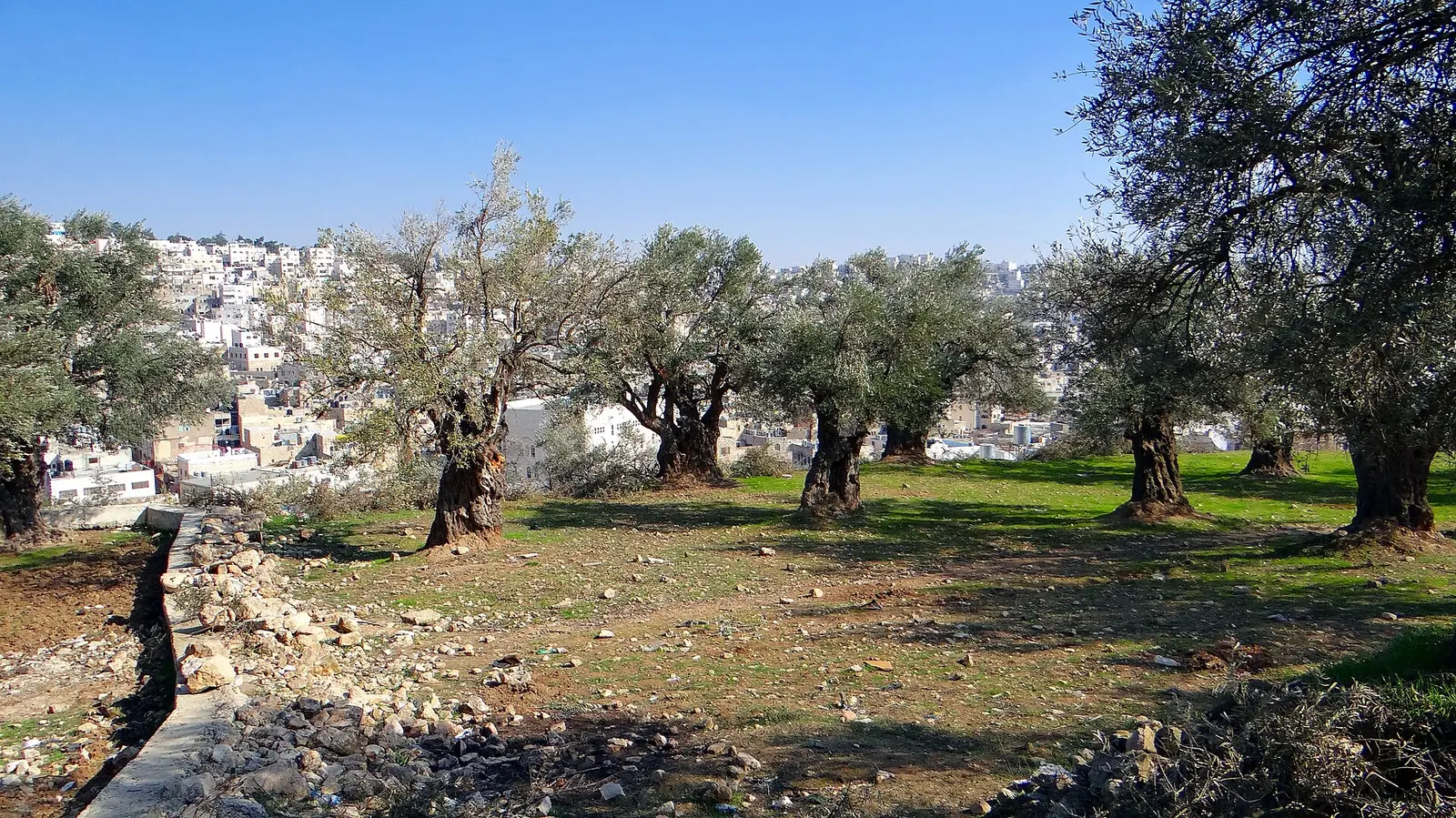
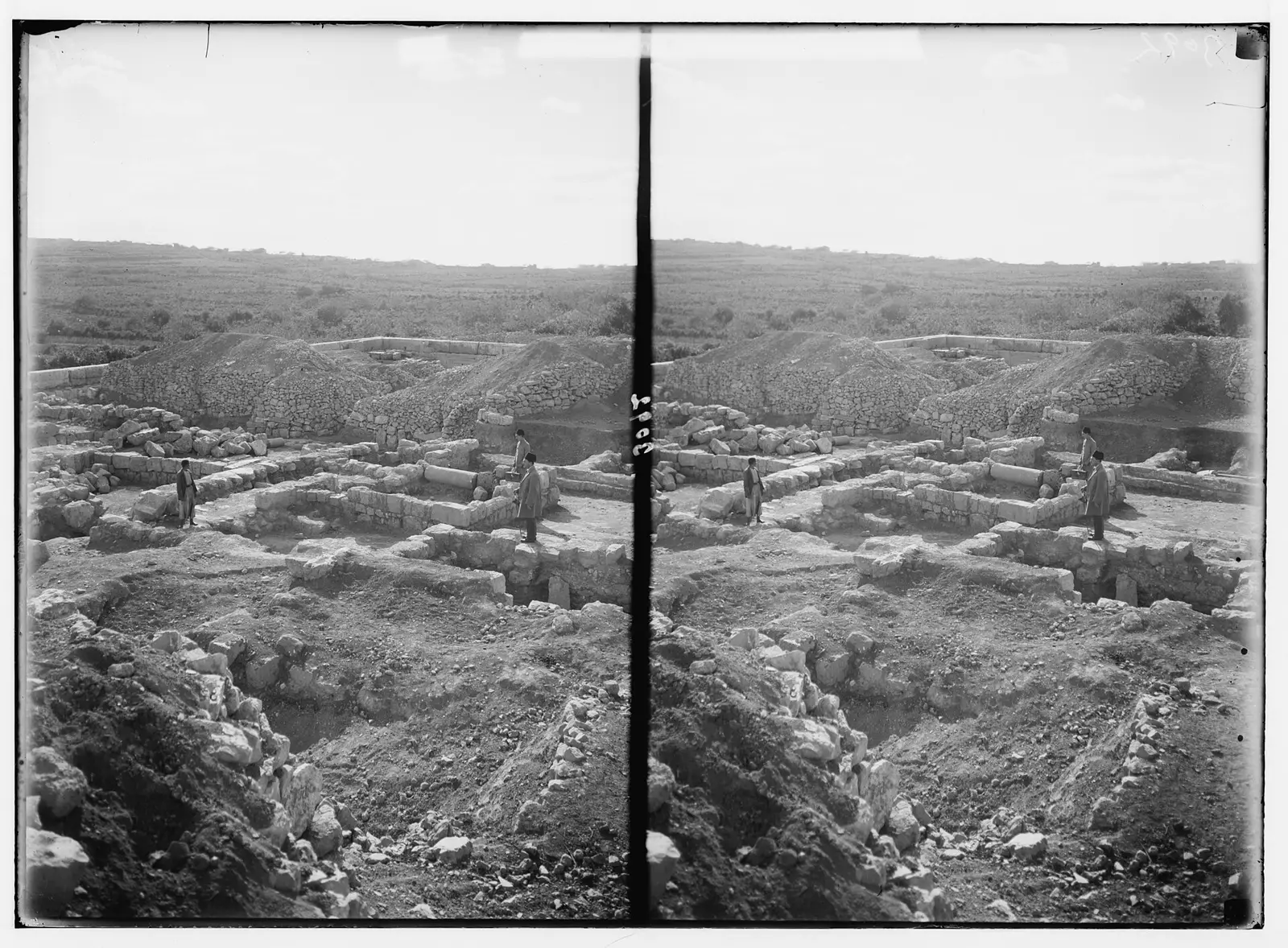
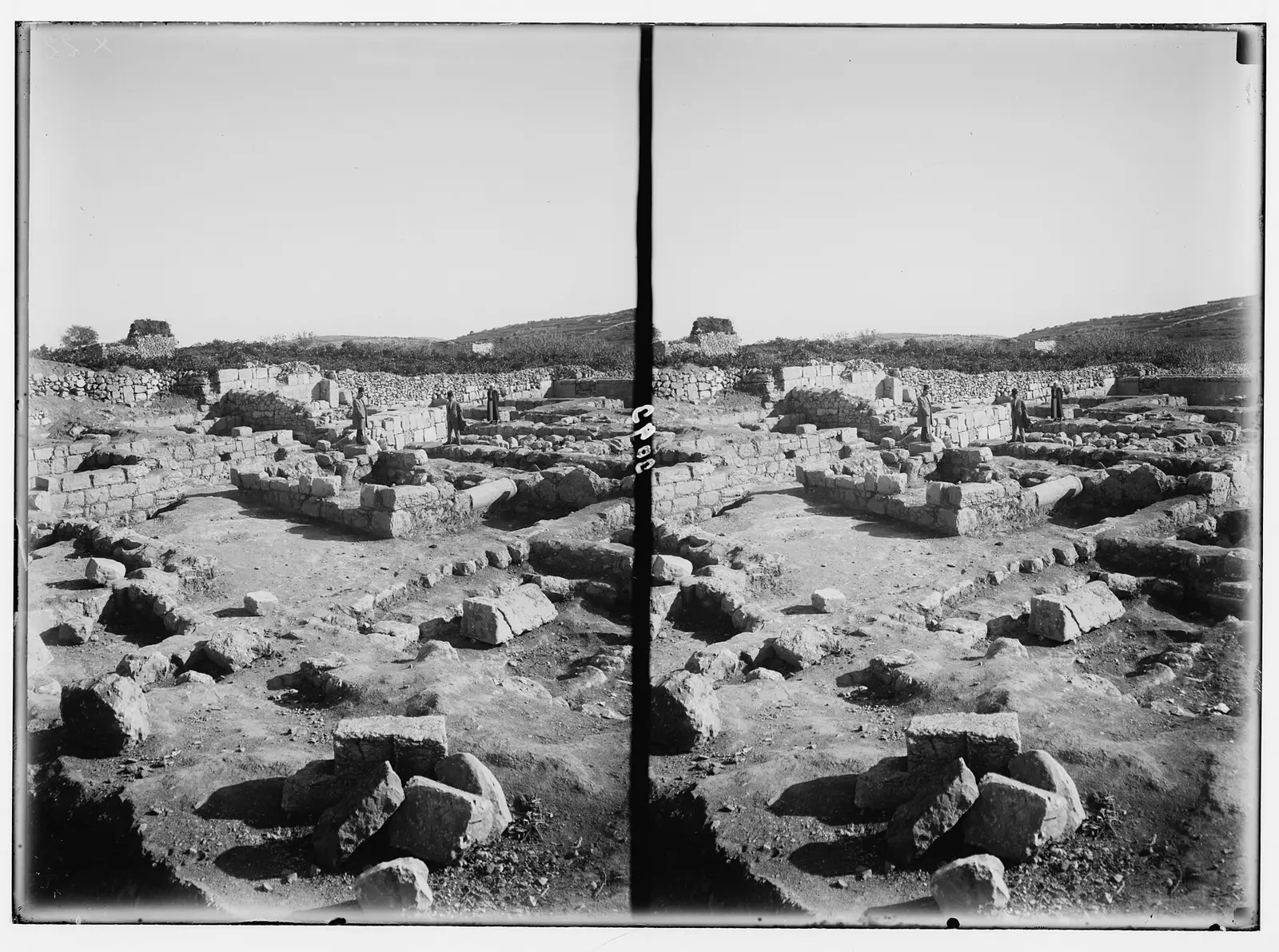
Photo credits
- Hebron with the building over the Cave of Machpelah, tomb of the patriarchs (Genesis 23). Today · 2015 · Oren Rozen · CC BY-SA 4.0 · Source
- Tel Rumeida in Hebron – the mound of ancient Hebron. Excavation · 2015 · Dr. Avishai Teicher · CC BY 2.5 · Source
- Olive trees on Tel Rumeida, the mound of ancient Hebron. Excavation · 2014 · Paul Rich · CC BY 4.0 · Source
- Ramet el-Khalil near Hebron, excavations around 1920 – often identified with Mamre. Back then · c. 1920 · G. Eric and Edith Matson Photograph Collection, Library of Congress, Prints & Photographs Division, LC-DIG-matpc-02639 · Public Domain · Source
- Ruins of Ramet el-Khalil, possibly Mamre (Genesis 13:18). Back then · c. 1920 · G. Eric and Edith Matson Photograph Collection, Library of Congress, Prints & Photographs Division, LC-DIG-matpc-02640 · Public Domain · Source


Photos from Wikimedia Commons and the Matson Collection of the Library of Congress, resized. Tap a photo to enlarge it. Captions AI-assisted – How the texts are made
About the place
Hebron lies about 40 kilometres south-west of Jerusalem at roughly 900 metres above sea level, at the southern end of the Judean hills, and in the patriarchs’ time it was called Kiriath-arba (Genesis 23:2).1,2 Abraham lived for a long time at Mamre, which belonged to Hebron, and buried Sarah in the cave of Machpelah (Genesis 13:18; 23:17–19).1,2 Joshua gave the town to Caleb as his inheritance, and David reigned here as king over Judah before he moved to Jerusalem (Joshua 14:13; 2 Samuel 2:1–4; 5:5).1,2 The town still stands today; the cave of Machpelah lies within its walls beneath the Haram el-Khalil mosque.1
Where Hebron was
Ancient Hebron stood on the hill of El Arbain; the modern town spreads over both ridges of the range, and Mamre is less than three kilometres away.1 To the east the land drops steeply, to the west and south more gently; the soil is fairly fertile, springs and wells supply plenty of water, and to the south lies the Negev with good pasture.1
Hebron and the patriarchs
At Mamre Abraham built an altar after parting from Lot; here he heard that Lot had been captured, and here three men visited him before he learned of the judgment on Sodom and Gomorrah (Genesis 13:18; 14:13; 18:1–33).1,2 Sarah died at Hebron, and Abraham acquired the Machpelah cave, buying it from Ephron the Hittite; Abraham himself, Isaac and Jacob were later buried there too (Genesis 23; 25:9–10; 49:29–32; 50:13).1,2
Hebron in the days of Joshua and the judges
Israel’s spies came as far as Hebron, where the descendants of Anak lived; the sight of them made ten of the spies lose heart, and only Caleb and Joshua trusted God (Numbers 13:22, 33; 14:6–9).1,2 For this reason Caleb received Hebron as his inheritance (Joshua 14:9–13).1,2 In the time of the judges Samson carried the gates of Gaza to the top of the hill facing Hebron (Judges 16:3).1,2
David’s first capital
After Saul’s death the men of Judah anointed David at Hebron as king over the house of Judah, while the other tribes followed Ish-bosheth (2 Samuel 2:1–4, 8–10).1,2 Hebron lay at the southern end of the hill country, far from those tribes, was easy to defend and stood where several important trade routes met.1 When David became ruler of all Israel, he made Jerusalem his capital instead; later Absalom launched his revolt from Hebron, and Rehoboam fortified the town (2 Samuel 5:1–5; 15:7–12; 2 Chronicles 11:5–12).1,2
Hebron in the Bible
Hebron appears in 27 sections across 10 books of the Bible – first in Genesis 13:18, last in Nehemiah 11:25. Most often in Joshua (7), 2 Samuel (5) and 1 Chronicles (5).
Genesis
- Genesis 13:1–18 Abram and Lot Part Ways
- Genesis 23:1–20 Sarah’s Death and Burial
mentioned: 35:27
Numbers
mentioned: 13:22
Joshua
mentioned: 10:3; 10:5; 10:23; 10:36–37; 10:39; 11:21; 12:10; 14:13–15; 15:13–14; 15:54; 20:7; 21:11; 21:13
Judges
mentioned: 1:10; 1:20; 16:3
1 Samuel
mentioned: 30:31
2 Samuel
- 2 Samuel 2:1–32 David Becomes King of Judah
- 2 Samuel 3:1–39 Abner and Joab
- 2 Samuel 4:1–12 The Murder of Ish-bosheth
- 2 Samuel 5:1–25 King over All Israel, Jerusalem Becomes Capital
- 2 Samuel 15:1–37 Absalom’s Revolt and David’s Flight
1 Kings
mentioned: 2:11
1 Chronicles
- 1 Chronicles 11:1–9 David Becomes King, Jerusalem Captured
mentioned: 3:1; 3:4; 6:55; 6:57; 12:23; 12:38; 29:27
2 Chronicles
mentioned: 11:10
Nehemiah
mentioned: 11:25
Places nearby
Often mentioned together
Events at this place
References
- Tyndale Open Bible Dictionary – Article “Hebron (Place)” · tyndaleopenresources.com
- Bible text: Genesis 23:2; Genesis 13:18; Genesis 14:13; Genesis 18:1–33; Genesis 23:17–19; Genesis 25:9–10; Genesis 49:29–32; Genesis 50:13; Numbers 13:22; Numbers 13:33; Numbers 14:6–9; Joshua 14:9–13; Judges 16:3; 2 Samuel 2:1–4; 2 Samuel 2:8–10; 2 Samuel 5:1–5; 2 Samuel 15:7–12; 2 Chronicles 11:5–12