Bethlehem
- Today
- Bethlehem
- Location
- securely identified (confidence 1000 of 1000)
- Meaning of the name
- “house of bread or of Lahama” (uncertain) (after Tyndale)
- Elevation
- 770 m above sea level
- Coordinates
- 31.704° N, 35.208° E
When the place appears in the Bible
Map
Base map: Natural Earth (public domain), places after OpenBible.info (CC BY 4.0), © OpenStreetMap (ODbL) · All sources and licences
Notes and sources for this map
Location after OpenBible.info
Pictures
Today: the place and its landscape as they look today · Excavation: remains from biblical times that have survived or been excavated · Back then: photographs from around 1900–1940 (Matson Collection), before modern development
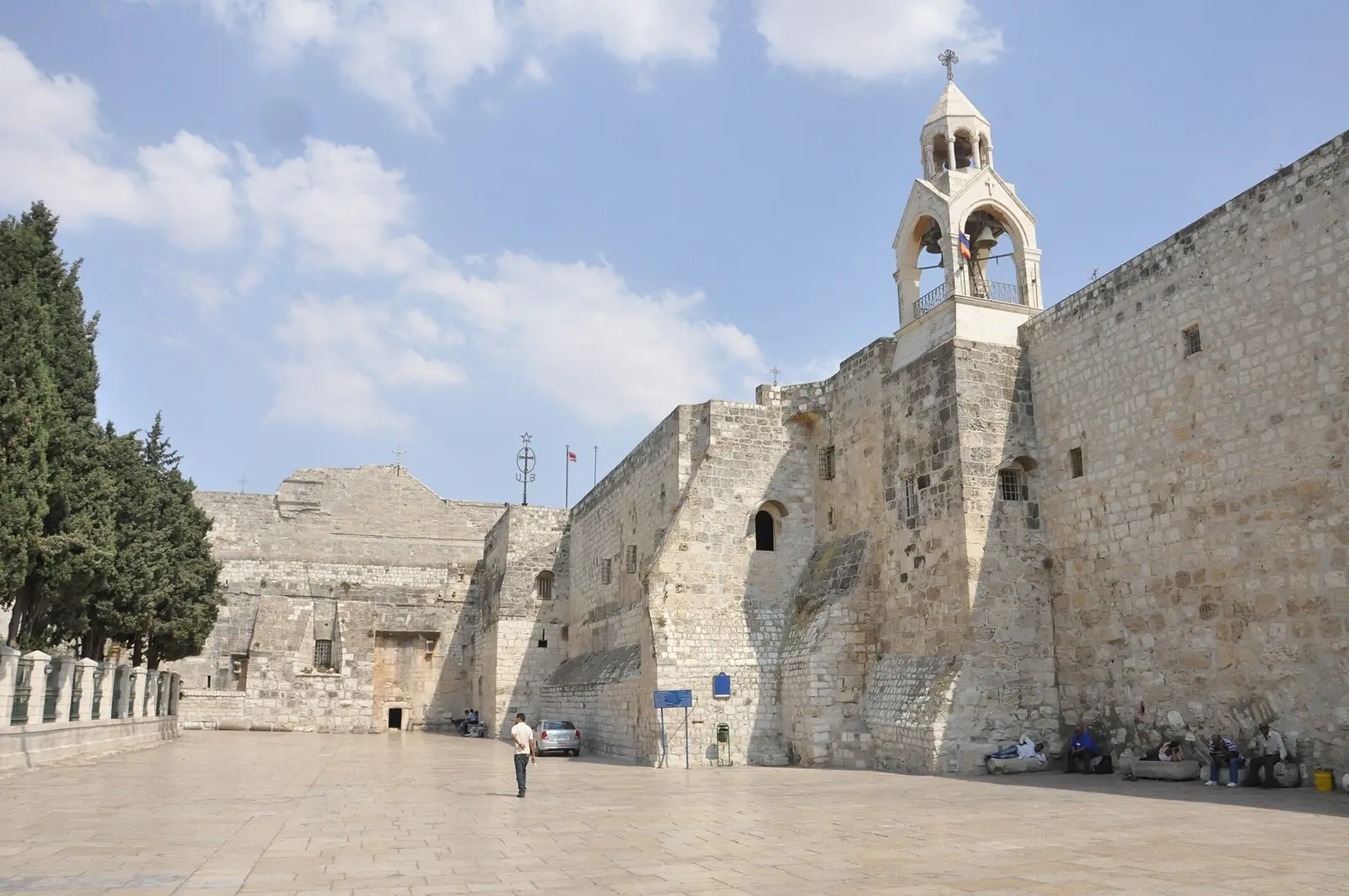 Today · 2012
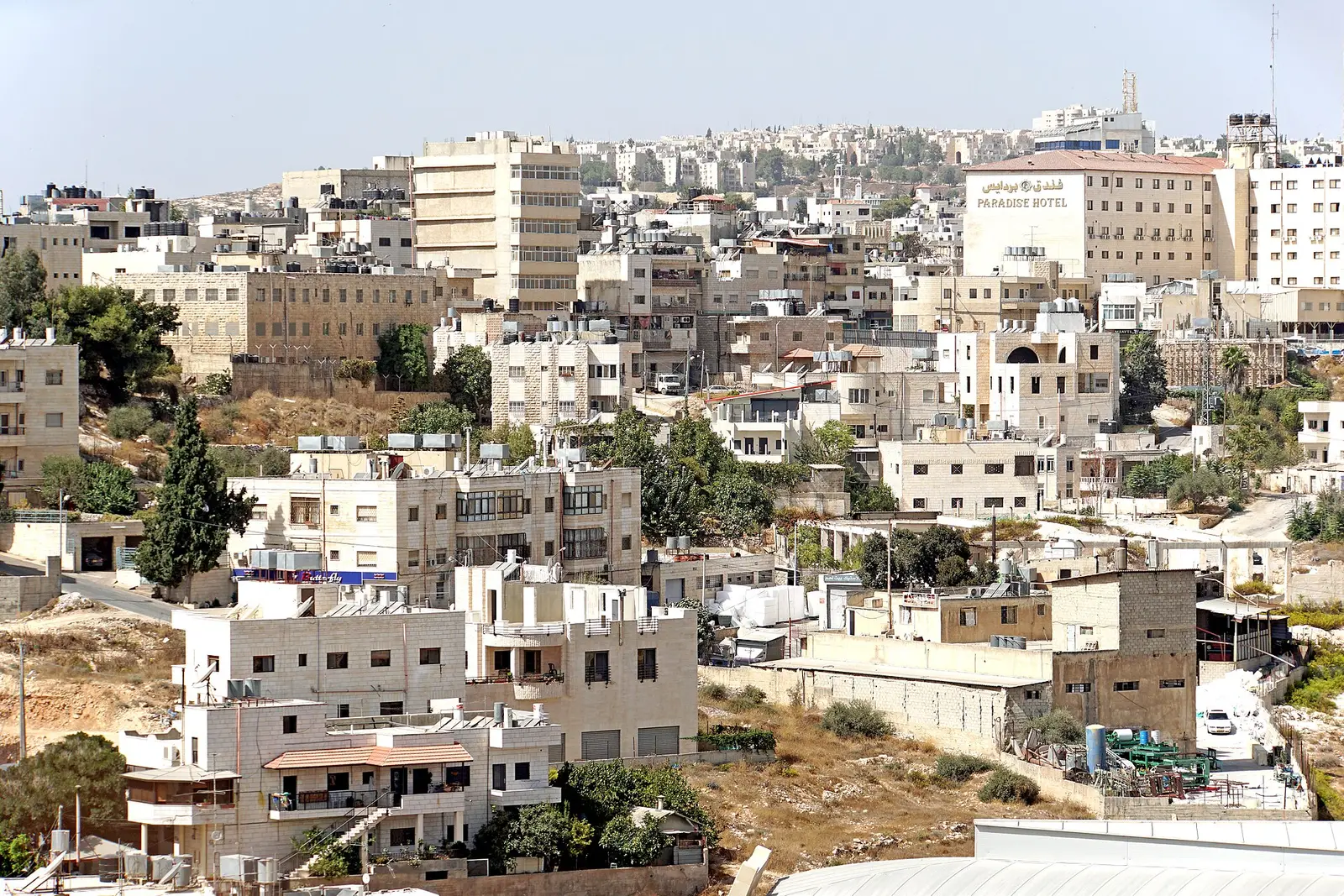 Today · 2016
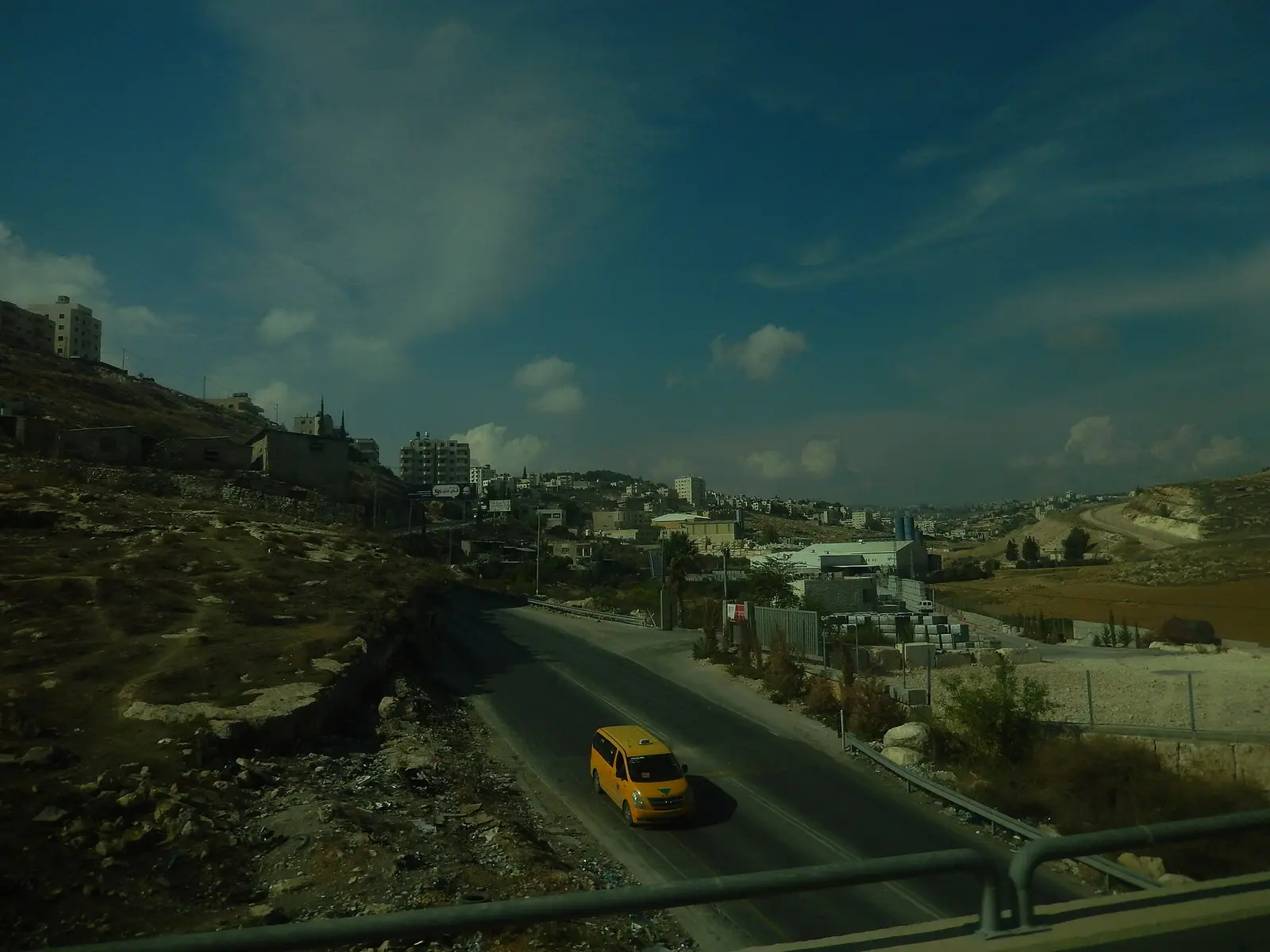 Excavation · 2018
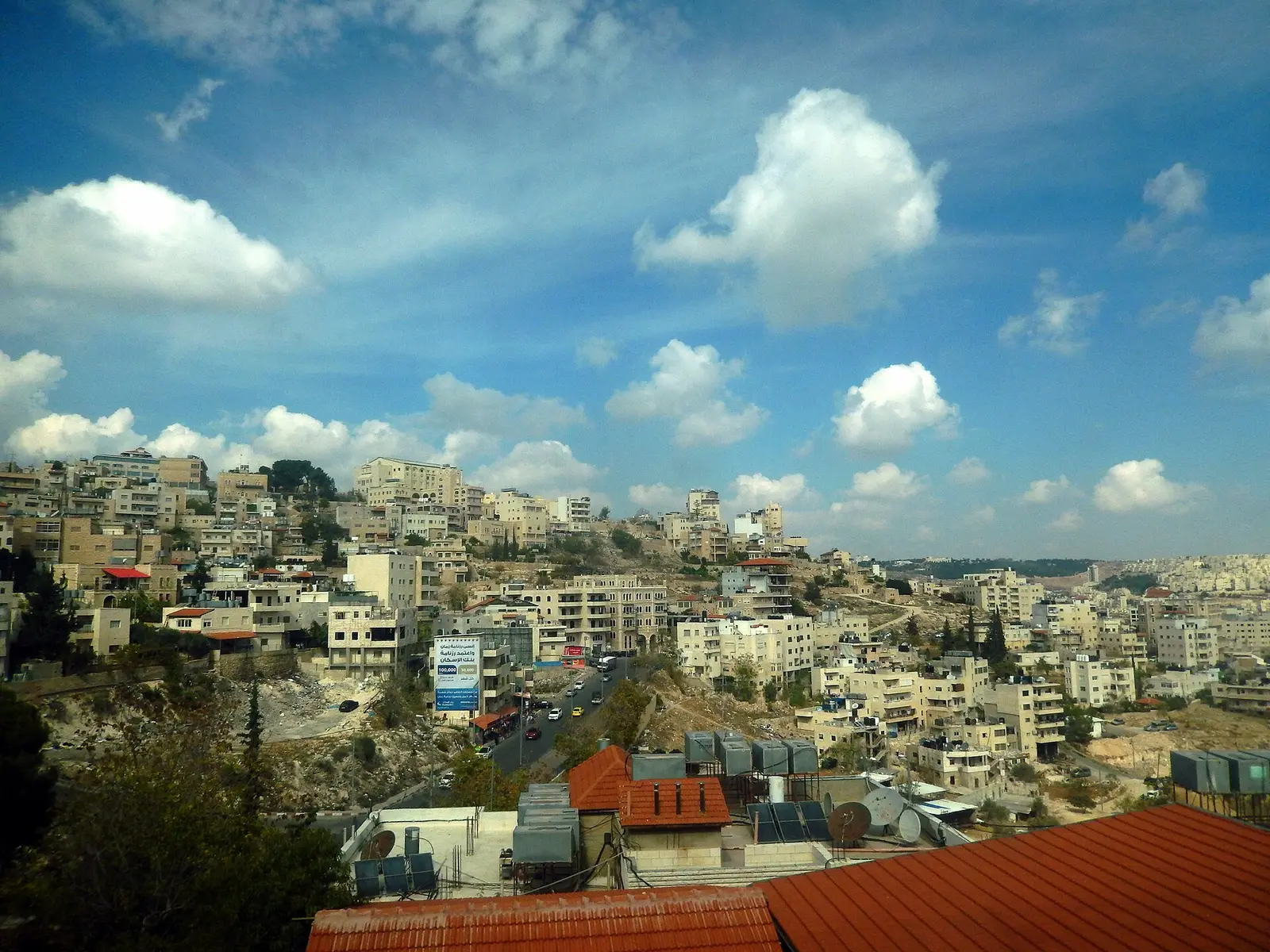 Excavation · 2018
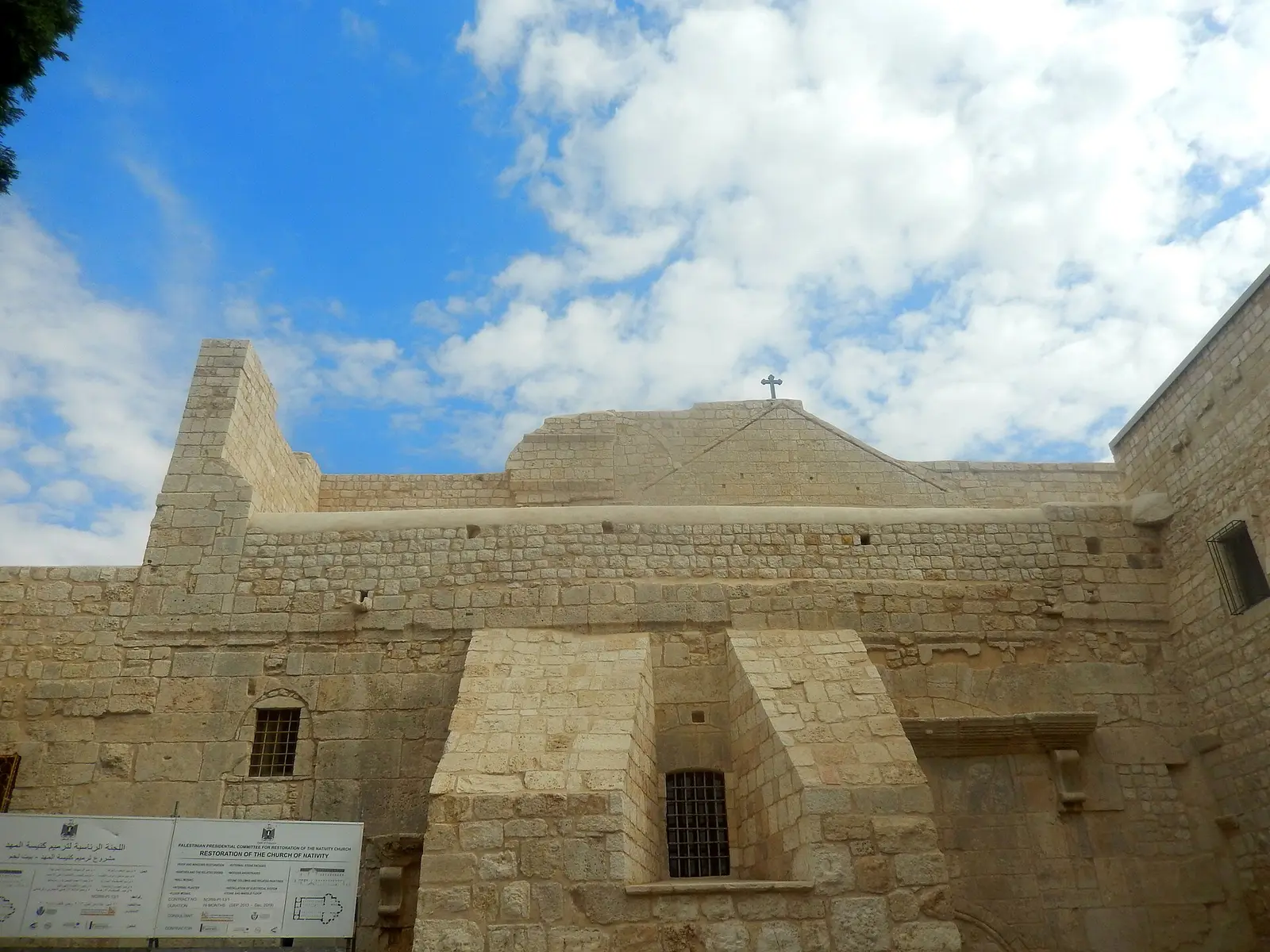 Excavation · 2018
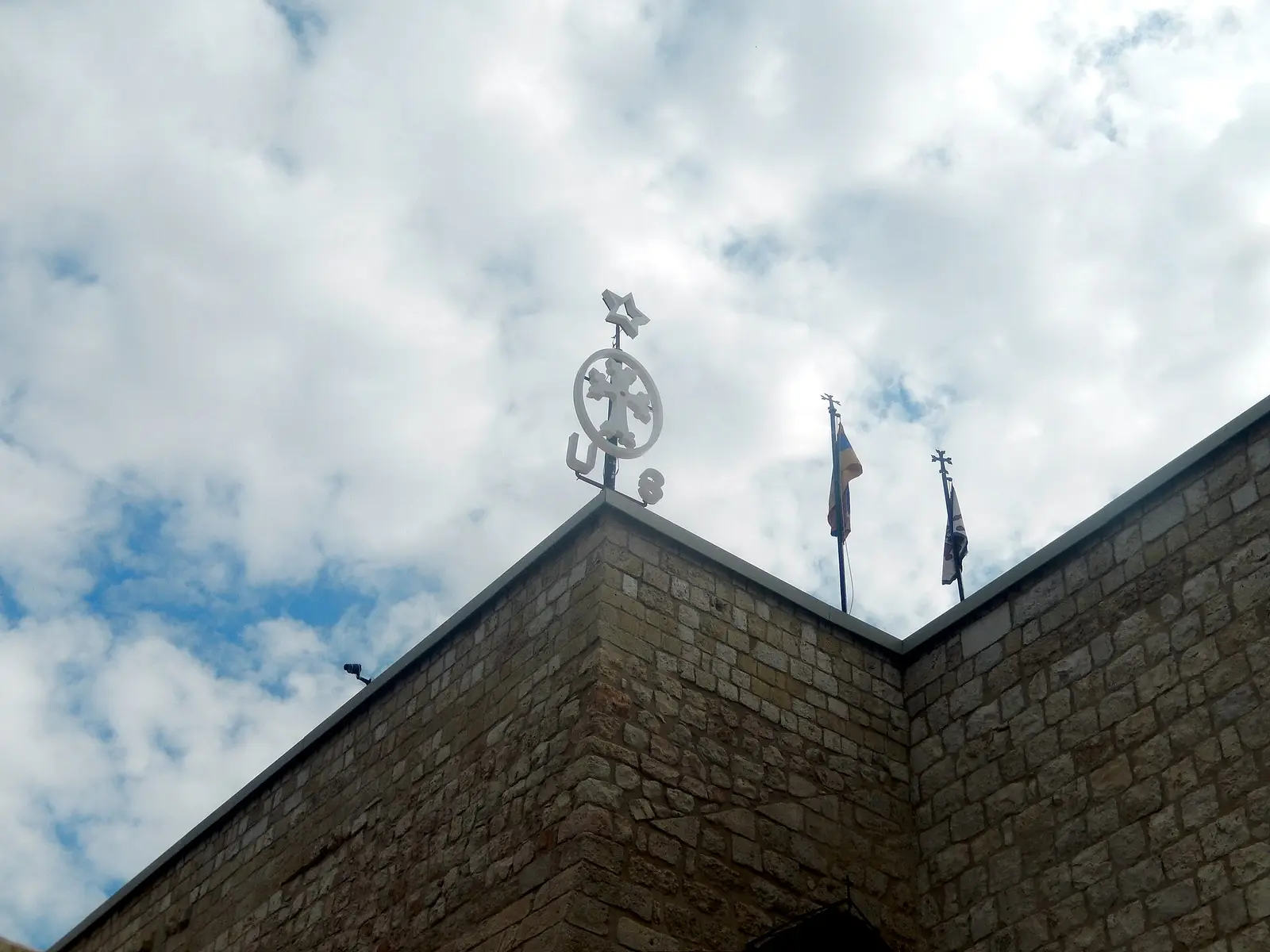 Excavation · 2018
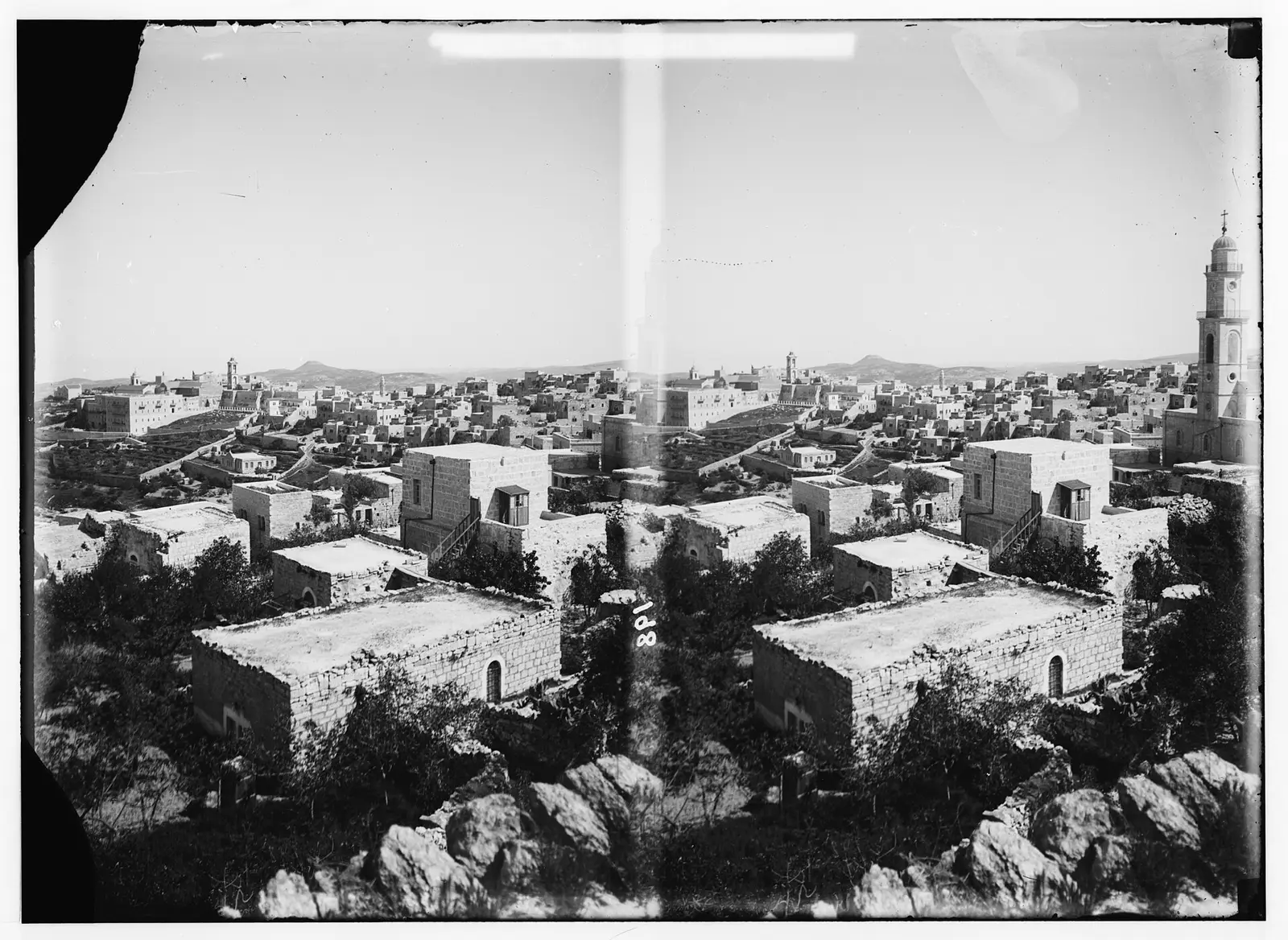 Back then · c. 1900
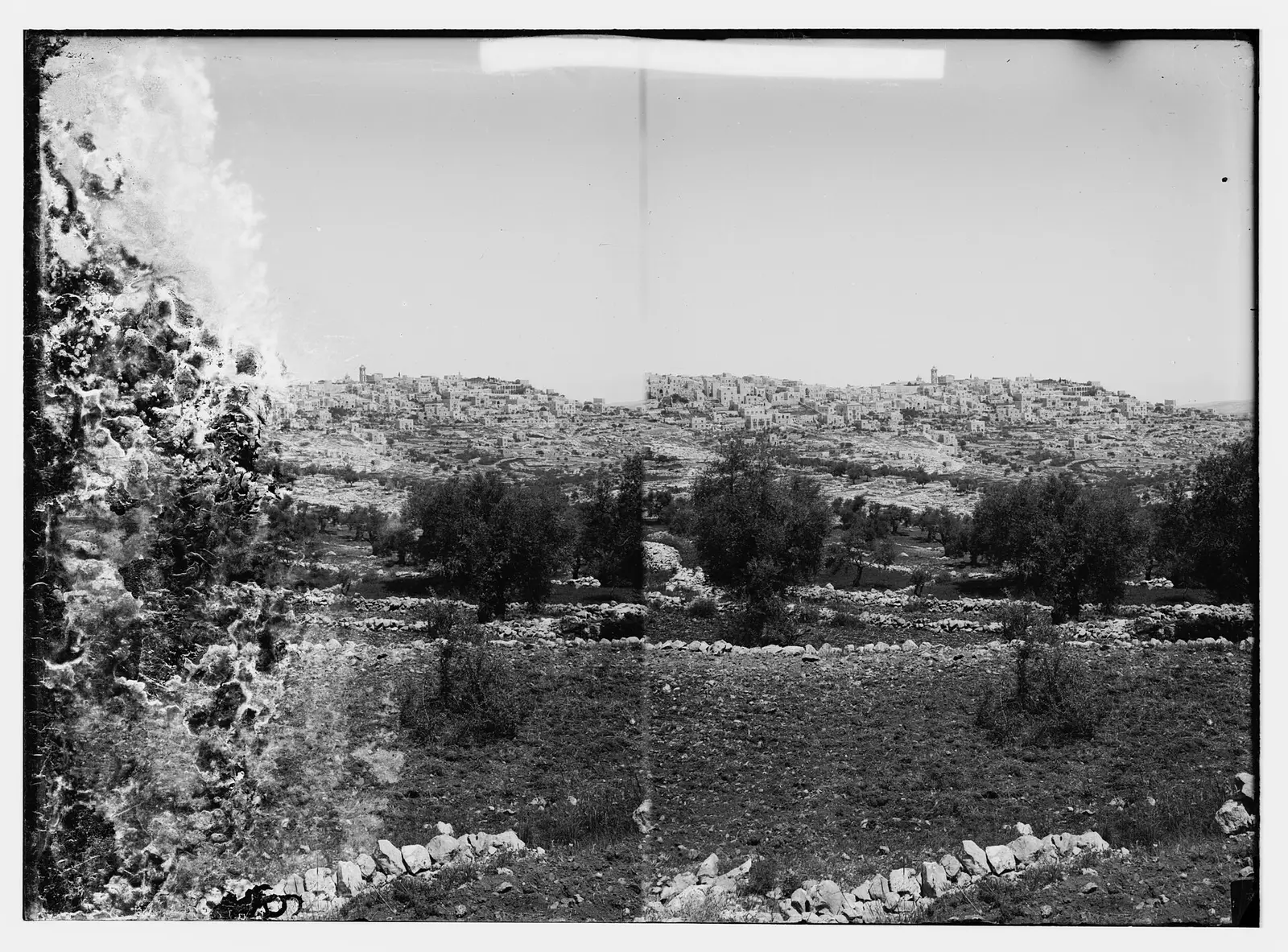 Back then · c. 1898–1946
Photo credits
- Church of the Nativity in Bethlehem – by tradition over the grotto of Jesus’ birth. Today · 2012 · Neil Ward · CC BY 2.0 · Source
- Bethlehem today in the West Bank. Today · 2016 · Dennis G. Jarvis · CC BY-SA 2.0 · Source
- Near Bethlehem – an area associated with the shepherds of the Christmas story. Excavation · 2018 · Armineaghayan · CC BY-SA 4.0 · Source
- Bethlehem. Excavation · 2018 · Armineaghayan · CC BY-SA 4.0 · Source
- Inside the Church of the Nativity in Bethlehem. Excavation · 2018 · Armineaghayan · CC BY-SA 4.0 · Source
- Inside the Church of the Nativity in Bethlehem. Excavation · 2018 · Armineaghayan · CC BY-SA 4.0 · Source
- Bethlehem, around 1900. Back then · c. 1900 · G. Eric and Edith Matson Photograph Collection, Library of Congress, Prints & Photographs Division, LC-DIG-matpc-00971 · Public Domain · Source
- Bethlehem from the west. Back then · c. 1898–1946 · G. Eric and Edith Matson Photograph Collection, Library of Congress, Prints & Photographs Division, LC-DIG-matpc-09161 · Public Domain · Source


Photos from Wikimedia Commons and the Matson Collection of the Library of Congress, resized. Tap a photo to enlarge it. Captions AI-assisted – How the texts are made
About the place
Bethlehem lies about 8 kilometres south of Jerusalem and is also called Ephrath or Ephrathah, to set it apart from a town of the same name in Zebulun (Genesis 35:19; Micah 5:2).1,2 Boaz and Ruth lived here, David came from here, and Luke calls it the city of David (Ruth 4:11–17; 1 Samuel 17:12; Luke 2:4).1,2 When Jesus was born here, Bethlehem was only a village; the census of the emperor Augustus brought Joseph there, “since he was from the house and line of David” (Luke 2:1–7).1,2 Over the cave that early on was taken to be the place of birth, the emperor Constantine had a basilica built.1
What the name means
The earliest known mention is in the Amarna texts of the 14th century BC, whose war reports name a place south of Jerusalem called bitil u-lahama; possibly the name meant “house of the goddess Lahama”.1 The other Bethlehem lay in Zebulun, was probably the home of the judge Ibzan and is identified with the village of Beit Lahm, some 11 kilometres north-west of Nazareth (Joshua 19:15; Judges 12:8–10).1,2
Bethlehem in the Old Testament
Rachel died and was buried nearby, and later a branch of Caleb’s family settled here: Salma is called “the father of Bethlehem” (Genesis 35:16–19; 48:7; 1 Chronicles 2:51).1,2 The young Levite who served as Micah’s priest came from Bethlehem, and Boaz, Ruth, Obed and David’s father Jesse lived here (Judges 17:7–8; Ruth 4:11–17; 1 Samuel 16:18).1,2 Jews fleeing from the Babylonians stopped near Bethlehem on their way to Egypt, and after the exile people from Bethlehem returned (Jeremiah 41:17; Ezra 2:21).1,2
Bethlehem and David
David came from Bethlehem, as did Elhanan, one of his mighty men (1 Samuel 17:12; 2 Samuel 23:24).1,2 When the Philistines held Bethlehem, three of David’s warriors broke through their lines and brought him water from the cistern by the gate of his home town (2 Samuel 23:14–17).1,2
Bethlehem in the New Testament
When Jesus was born, Bethlehem was a village; John calls it the village where David lived (Matthew 2:1–16; Luke 2:4–6, 15; John 7:42).1,2 Joseph’s family may still have owned property there.1 Justin Martyr and, later, Origen, who often stayed in the Holy Land, name a cave as the birthplace; according to Origen the manger was shown there as well.1
The Church of the Nativity
Jerome describes the grotto, above which Constantine had erected a basilica; excavations in 1934–35 showed that under Justinian (AD 527–565) it was enlarged beyond its first size.1 Steps lead down to the grotto, whose rectangular shape suggests that Constantine’s builders reshaped it; no description from before the basilica was built survives.1
Bethlehem in the Bible
Bethlehem appears in 29 sections across 14 books of the Bible – first in Genesis 35:19, last in John 7:42. Most often in Ruth (6), 1 Samuel (4) and 2 Samuel (3).
Genesis
Judges
mentioned: 17:7–9; 19:1–3; 19:18
Ruth
- Ruth 1:6–22 Ruth Stays with Naomi
- Ruth 2:1–23 Ruth in the Field of Boaz
- Ruth 3:1–18 At Night on the Threshing Floor
- Ruth 4:1–12 Boaz Redeems Ruth
- Ruth 4:13–22 A Son for Naomi – Down to David
mentioned: 1:1–2
1 Samuel
- 1 Samuel 16:1–13 Samuel Anoints David
mentioned: 16:18; 17:12; 17:15; 17:58; 20:6; 20:28
2 Samuel
mentioned: 2:32; 21:19; 23:14–16; 23:24
1 Chronicles
mentioned: 2:51; 2:54; 4:4; 11:16–18; 11:26
2 Chronicles
mentioned: 11:6
Ezra
mentioned: 2:21
Nehemiah
mentioned: 7:26
Jeremiah
mentioned: 41:17
Micah
mentioned: 5:2
Matthew
- Matthew 2:1–12 The Magi
- Matthew 2:13–23 Flight to Egypt and Return
Luke
- Luke 2:1–20 The Birth of Jesus
John
- John 7:37–52 Streams of Living Water
Places nearby
Often mentioned together
Events at this place
- The return to Bethlehem
- Ruth gleans in Boaz’s field
- Ruth with Boaz at the threshing floor
- Obed is born
- The Magi find Jesus
- Herod kills the children
- Birth of Jesus
- The Feast of Tabernacles
- Boaz redeems at the city gate
References
- Tyndale Open Bible Dictionary – Article “Bethlehem” · tyndaleopenresources.com
- Bible text: Genesis 35:16–19; Genesis 48:7; Micah 5:2; Joshua 19:15; Judges 12:8–10; 1 Chronicles 2:51; Judges 17:7–8; Ruth 4:11–17; 1 Samuel 16:18; 1 Samuel 17:12; 2 Samuel 23:14–17; 2 Samuel 23:24; Jeremiah 41:17; Ezra 2:21; Matthew 2:1–16; Luke 2:1–7; Luke 2:15; John 7:42