Mount of Olives
- Kind
- Mountain
- Today
- Mount of Olives, Jerusalem
- Location
- securely identified (confidence 1000 of 1000)
- Elevation
- 780 m above sea level
- Coordinates
- 31.778° N, 35.246° E
When the place appears in the Bible
Map
Base map: Natural Earth (public domain), places after OpenBible.info (CC BY 4.0), © OpenStreetMap (ODbL) · All sources and licences
Notes and sources for this map
Location after OpenBible.info
Pictures
Today: the place and its landscape as they look today · Excavation: remains from biblical times that have survived or been excavated · Back then: photographs from around 1900–1940 (Matson Collection), before modern development
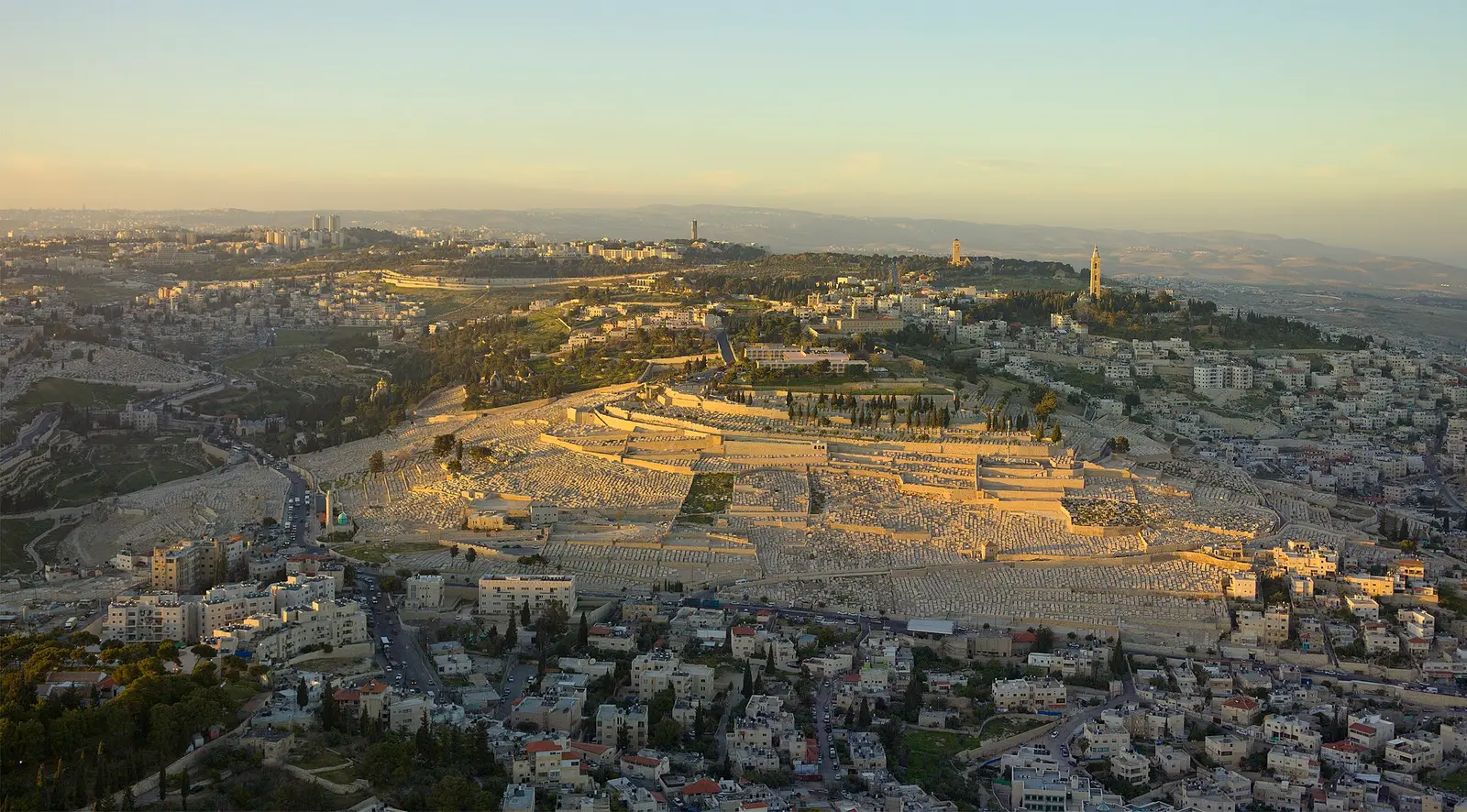 Today · 2013
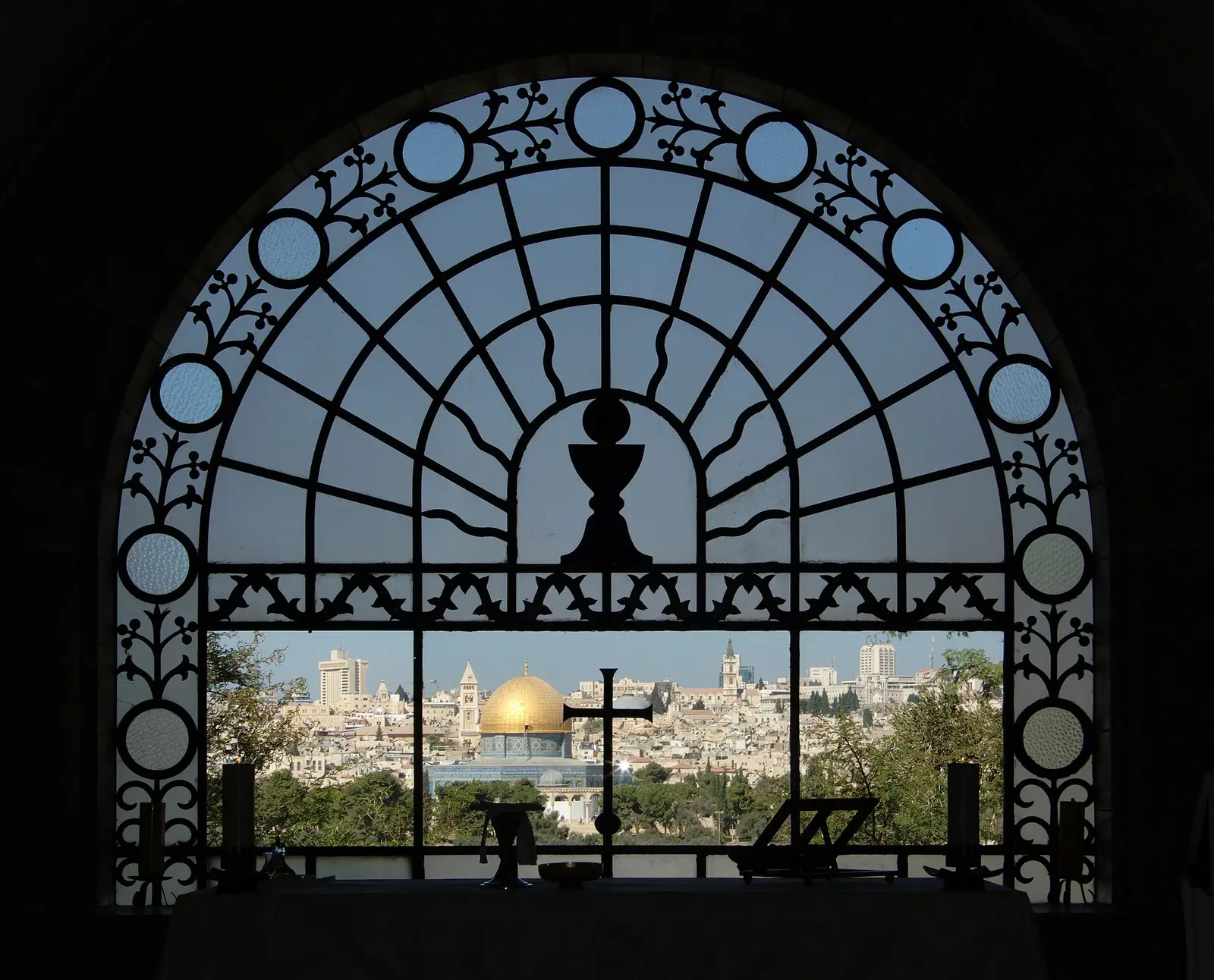 Today · 2010
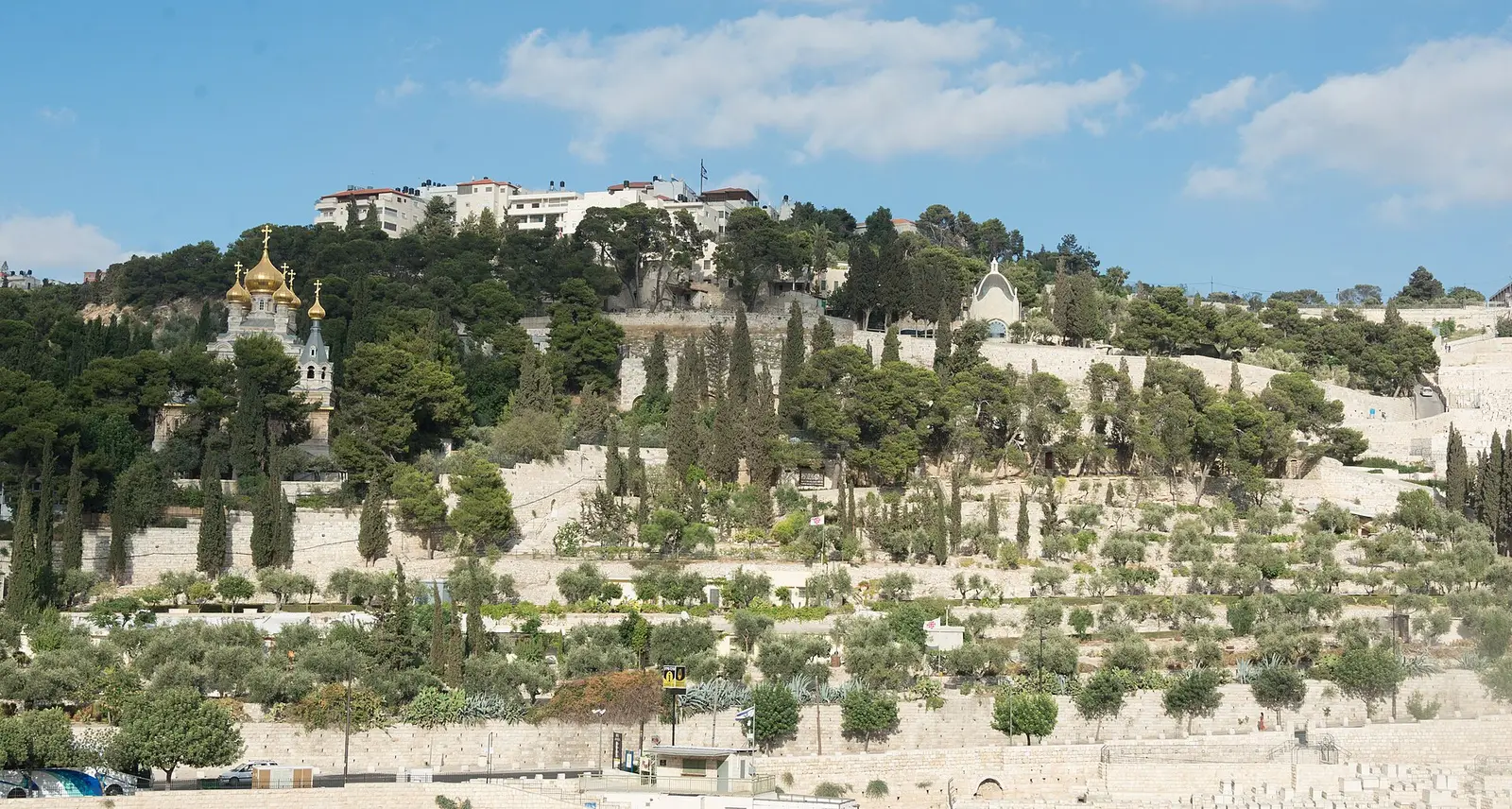 Today · 2014
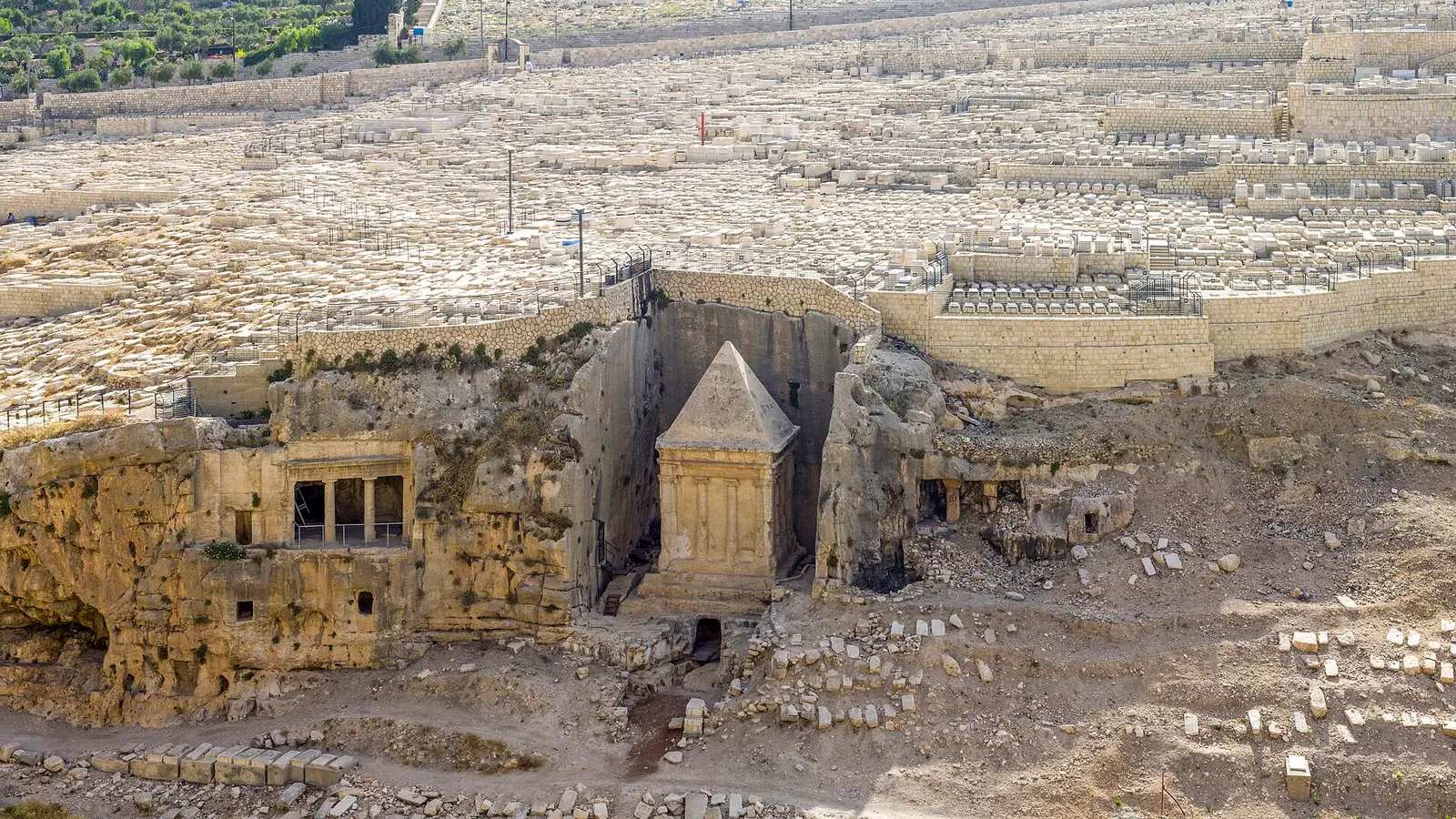 Today · 2015
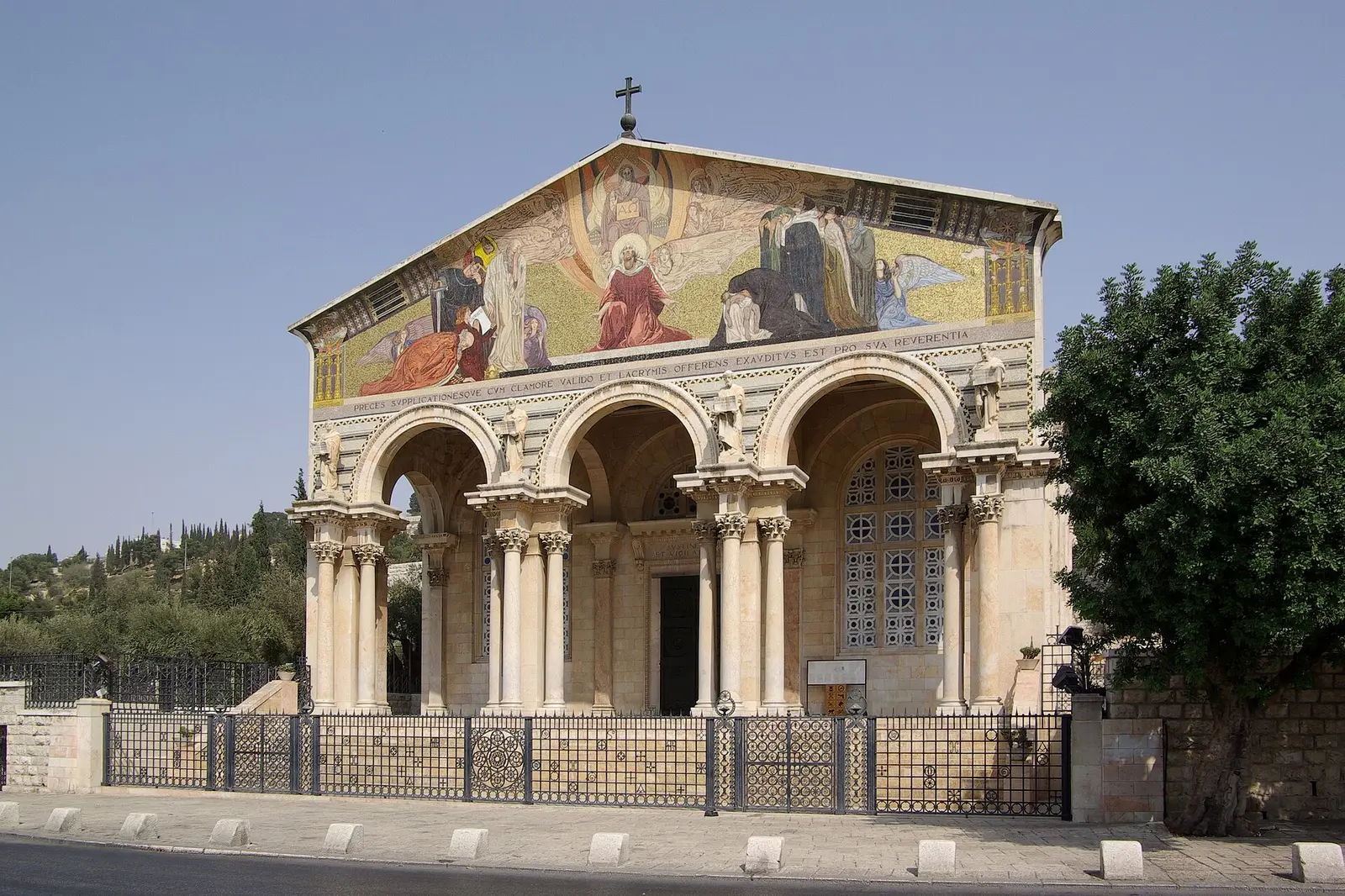 Today · 2010
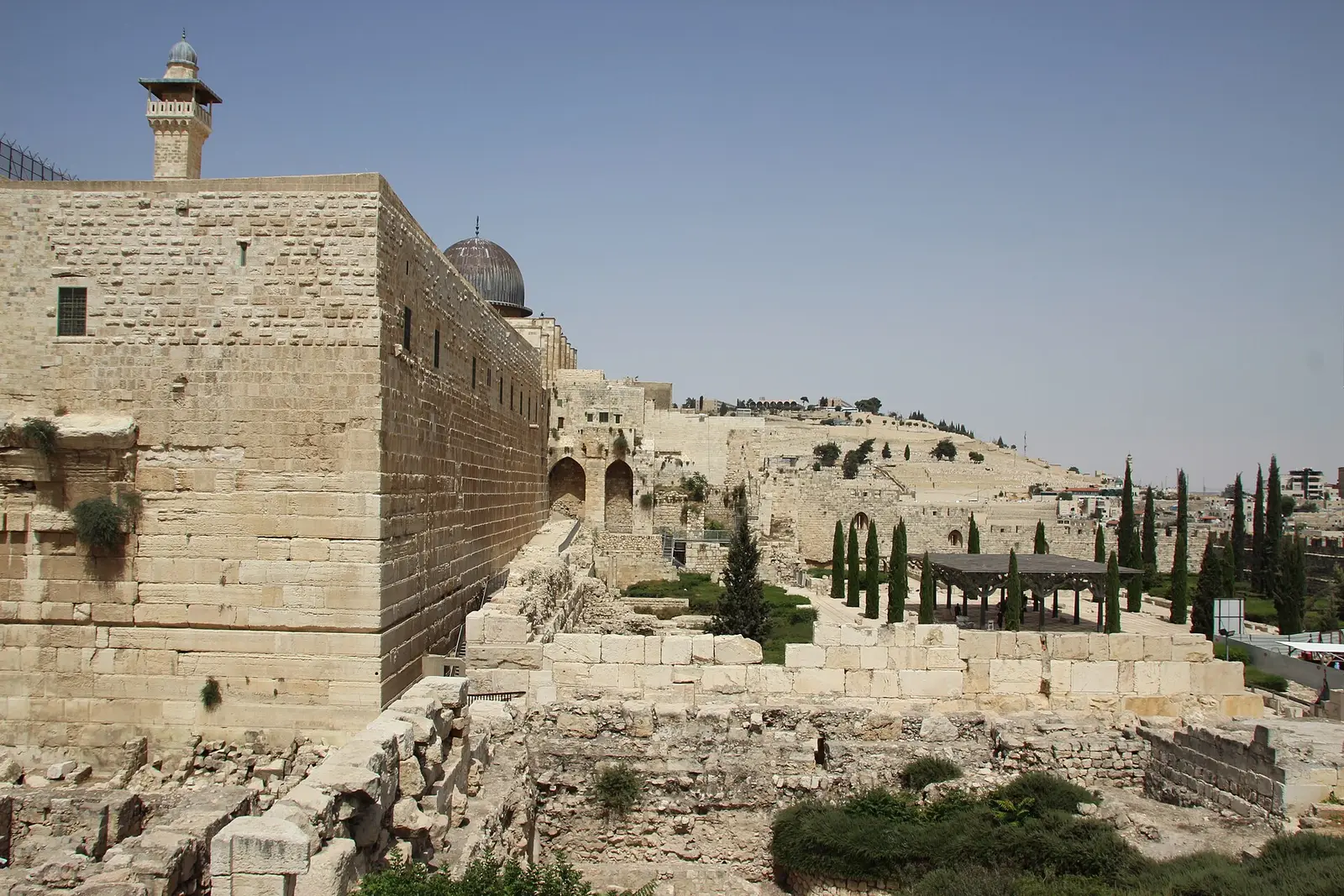 Excavation · 2018
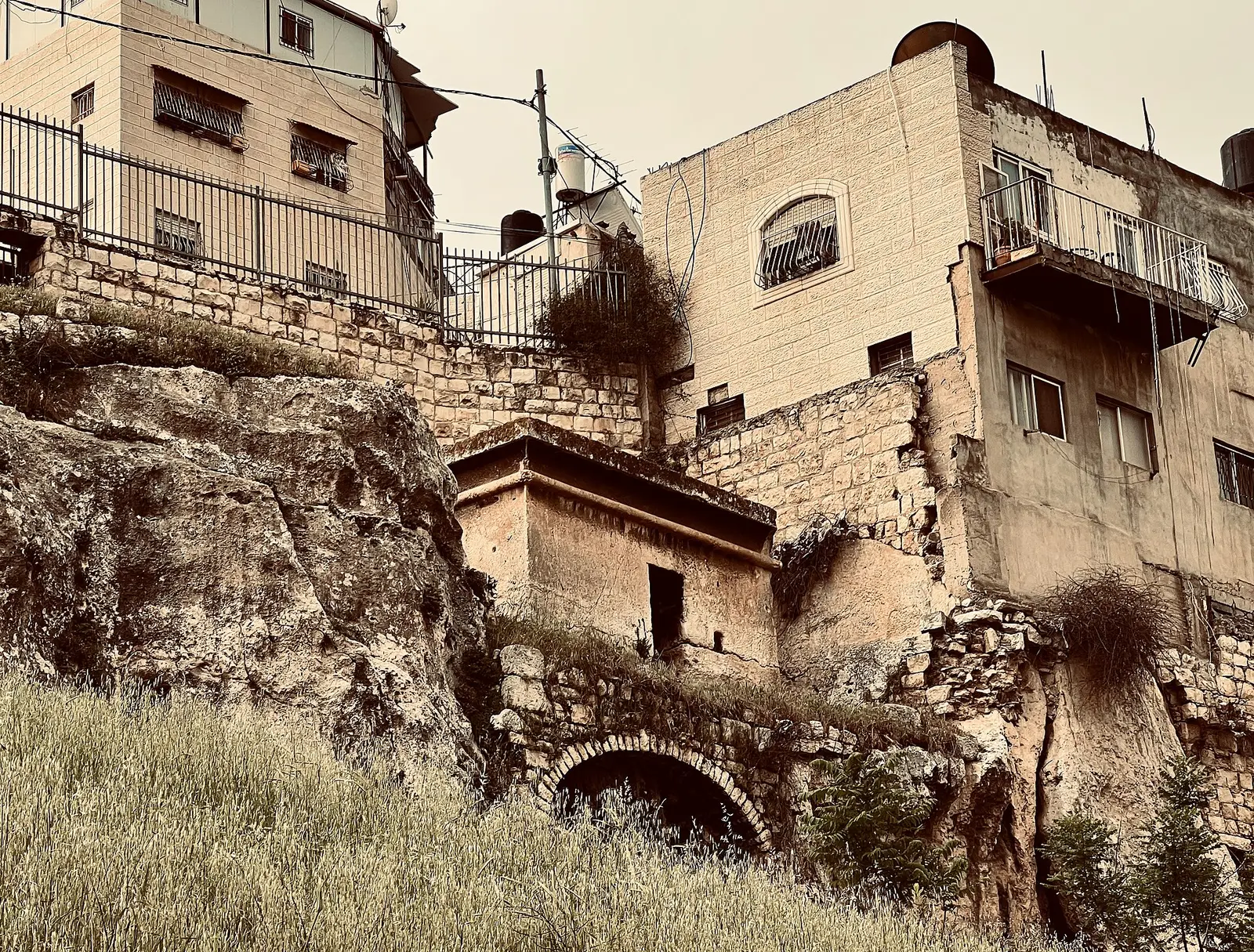 Excavation · 2023
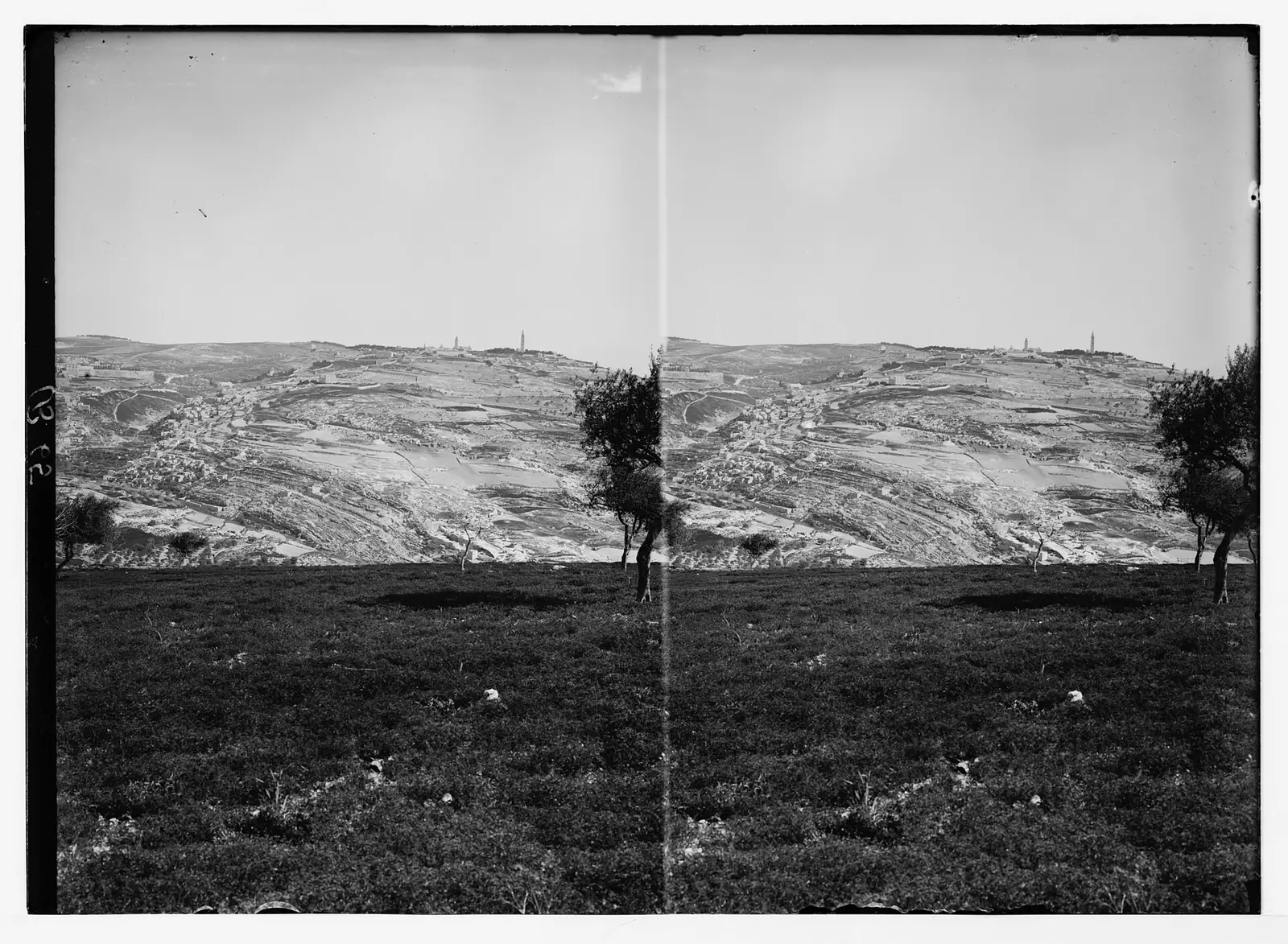 Back then · c. 1900
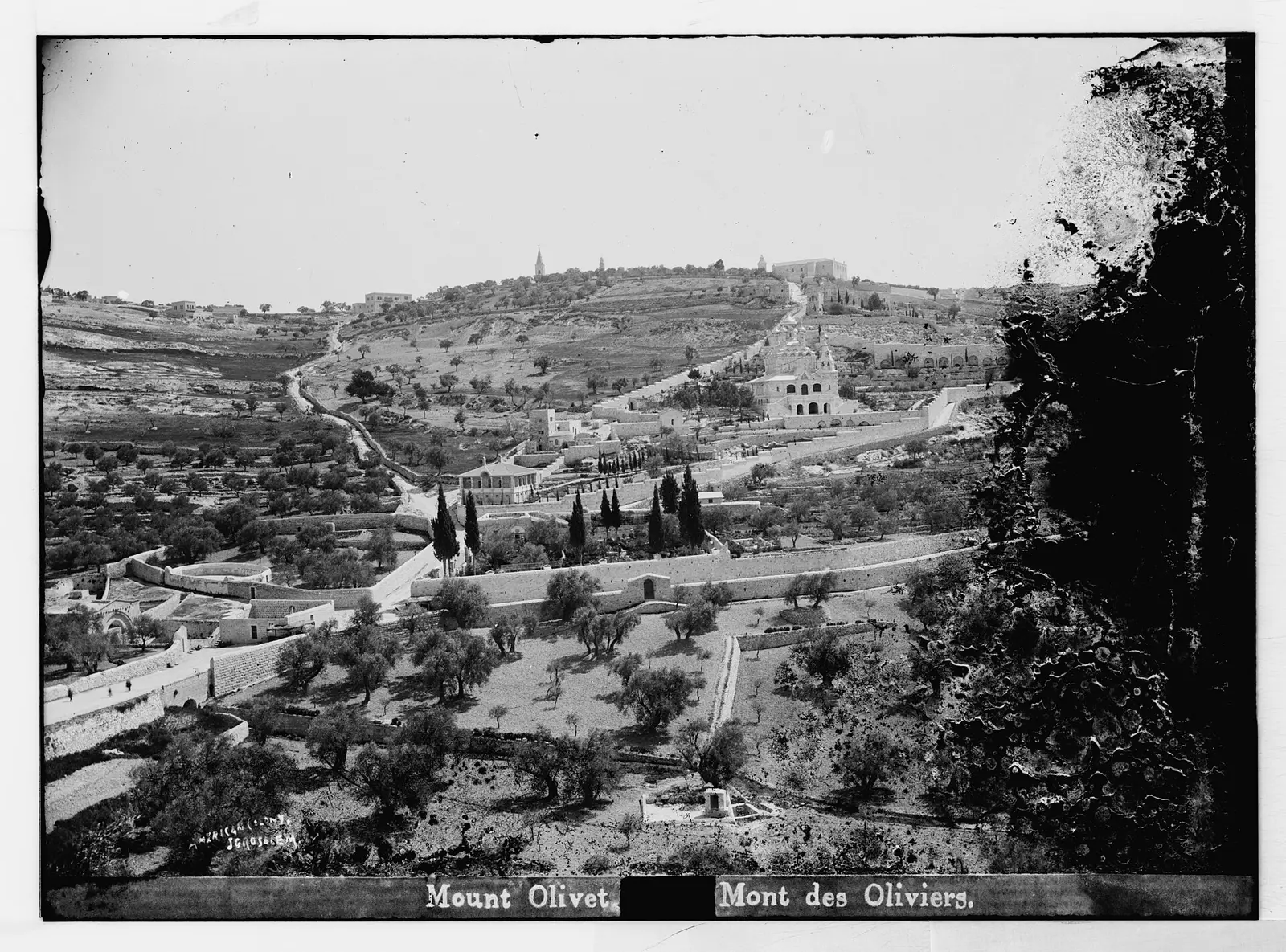 Back then · c. 1898–1914
Photo credits
- The Mount of Olives from the air at sunset, from the south. Today · 2013 · Godot13 · CC BY-SA 4.0 · Source
- View from Dominus Flevit to the Temple Mount – where Jesus is said to have wept over Jerusalem (Luke 19:41). Today · 2010 · Berthold Werner · CC BY-SA 3.0 · Source
- The Mount of Olives in Jerusalem. Today · 2014 · xiquinhosilva · CC BY 2.0 · Source
- Tomb of Bene Hezir and “Tomb of Zechariah” in the Kidron valley at the foot of the Mount of Olives. Today · 2015 · Godot13 · CC BY-SA 4.0 · Source
- Church of All Nations in Gethsemane at the foot of the Mount of Olives. Today · 2010 · Berthold Werner · CC BY-SA 3.0 · Source
- Excavation in Jerusalem opposite the Mount of Olives. Excavation · 2018 · Gary Todd from Xinzheng, China · CC0 1.0 · Source
- Monolith of Silwan (“Tomb of Pharaoh’s Daughter”) – a rock-cut tomb from the monarchy. Excavation · 2023 · MMO:VAS Monoliths · CC0 1.0 · Source
- Mount of Olives and Siloam from the south, around 1900. Back then · c. 1900 · G. Eric and Edith Matson Photograph Collection, Library of Congress, Prints & Photographs Division, LC-DIG-matpc-05480 · Public Domain · Source
- The Mount of Olives from the west, around 1900. Back then · c. 1898–1914 · G. Eric and Edith Matson Photograph Collection, Library of Congress, Prints & Photographs Division, LC-DIG-matpc-07509 · Public Domain · Source


Photos from Wikimedia Commons and the Matson Collection of the Library of Congress, resized. Tap a photo to enlarge it. Captions AI-assisted – How the texts are made
About the place
The Mount of Olives is a ridge running north to south immediately east of Jerusalem, on the far side of the Kidron Valley.1 It takes its name from the olive groves for which it was known in antiquity.1 David crossed it fleeing from Absalom, and in his last week Jesus taught here, prayed in Gethsemane and was arrested there (2 Samuel 15:30; Mark 13:3; 14:32–46).1,2 After the ascension the disciples returned to Jerusalem from the Mount of Olives (Acts 1:12).1,2
Where the Mount of Olives is
The ridge has three summits: Mount Scopus in the north, the Mount of Olives proper in the centre, 818 metres high and facing the temple platform, where Constantine had a large church of the Ascension erected, and in the south the Mount of Offence above the City of David.1 Through the saddles between them ran the Roman road to Jericho and today’s road to Bethany.1 At the foot of the southern summit lie the village of Silwan and the point where the Kidron and Hinnom valleys meet.1
Where the name comes from
The western face of the hill catches the rain from the Mediterranean, and together with weathered limestone this makes good soil for olive trees.1 The eastern side borders the dry Judean wilderness; Bethany and Bethphage, which Mark names at Jesus’ entry into Jerusalem, lie on these slopes (Mark 11:1).1,2
The Mount of Olives in the Old Testament
Fleeing from Absalom, David went up the Mount of Olives weeping and barefoot (2 Samuel 15:30).1,2 Solomon built high places for gods of the Sidonians, Moabites and Ammonites on the hill facing Jerusalem, which Josiah later defiled; they gave the southern summit its name, the Mount of Offence (1 Kings 11:7; 2 Kings 23:13).1,2 Ezekiel saw the glory of the LORD leave the city and stop on the mountain to the east, and Zechariah announces that God will set his feet on the Mount of Olives and that it will split in two (Ezekiel 11:23; Zechariah 14:4).1,2
The Mount of Olives in the New Testament
On his entry into Jerusalem Jesus came over the Mount of Olives, and on the way down he wept over the city (Mark 11:1–10; Luke 19:41–44).1,2 In his last week he taught on the Mount of Olives opposite the temple and spent the nights there; after the Last Supper he went out again and was arrested in Gethsemane (Mark 13:3; Luke 21:37; Mark 14:26, 32–46).1,2 From here the disciples watched his ascension (Acts 1:12).1,2
Mount of Olives in the Bible
Mount of Olives appears in 20 sections across 9 books of the Bible – first in 2 Samuel 15:30, last in Acts 1:12. Most often in Matthew (6), Mark (4) and Luke (3).
2 Samuel
- 2 Samuel 15:1–37 Absalom’s Revolt and David’s Flight
mentioned: 16:1
1 Kings
mentioned: 11:7
2 Kings
mentioned: 23:13
Zechariah
mentioned: 14:4
Matthew
- Matthew 24:1–31 Signs of the End
- Matthew 24:32–51 Keep Watch!
- Matthew 25:1–30 Ten Virgins and the Talents
- Matthew 25:31–46 The Final Judgment
Mark
- Mark 11:1–11 The Entry into Jerusalem
- Mark 13:1–23 Not One Stone on Another – Signs and Tribulation
- Mark 13:24–37 The Coming of the Son of Man
mentioned: 14:26
Luke
- Luke 21:5–38 Signs of the End
- Luke 22:39–53 On the Mount of Olives
mentioned: 19:29; 19:37
John
mentioned: 8:1
Acts
mentioned: 1:12
Places nearby
Often mentioned together
Events at this place
References
- Tyndale Open Bible Dictionary – Article “Olives, Mount of” · tyndaleopenresources.com
- Bible text: 2 Samuel 15:30; 1 Kings 11:7; 2 Kings 23:13; Ezekiel 11:23; Zechariah 14:4; Mark 11:1–10; Mark 13:3; Mark 14:26; Mark 14:32–46; Luke 19:41–44; Luke 21:37; Acts 1:12